
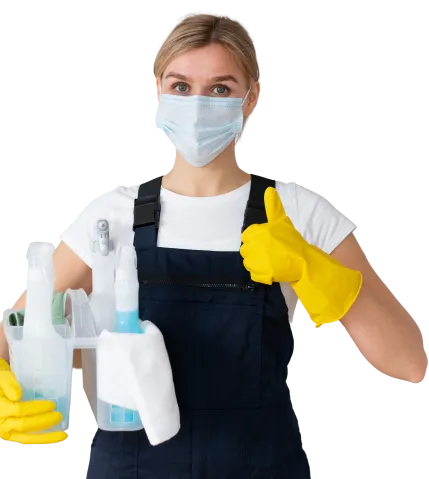
How to Start a Cleaning Business: A Step-by-Step Guide
Starting a cleaning business can be an accessible way to turn your cleaning skills into an independent source of income. You don't necessarily need a storefront, a large team, or expensive equipment to get started. What you do need is a clear plan for your services, pricing, customers, and business operations.
If you're wondering how to start a cleaning business, this guide walks you through seven essential steps, from choosing your cleaning niche and estimating startup costs to finding clients and growing your business.
You'll also learn how platforms like The CoBuilders can help independent cleaning professionals discover cleaning opportunities without relying entirely on their own marketing efforts.
Step 1: Decide What Type of Cleaning Business to Start
Before purchasing supplies or advertising your services, decide which customers you want to serve.
Your cleaning niche will influence your equipment, pricing, insurance needs, marketing strategy, and daily schedule.
Residential House Cleaning
Residential cleaning involves providing services in houses, apartments, and other living spaces.
Common services include:
- Standard house cleaning
- Deep house cleaning
- Apartment cleaning
- Move-in and move-out cleaning
- Recurring weekly, bi-weekly, or monthly cleaning
Best for: Entrepreneurs who want to begin with manageable equipment costs and build relationships with residential customers.
Commercial Cleaning
Commercial cleaning focuses on workplaces and business properties.
Examples include office cleaning, retail cleaning, and routine janitorial services.
Commercial customers may require cleaning outside regular business hours, additional equipment, and specific insurance coverage.
Best for: Cleaning businesses interested in ongoing service agreements and larger facilities.
Government Janitorial Cleaning
Government agencies also contract with cleaning businesses for facility maintenance and janitorial services.
These opportunities may involve offices, public facilities, and other government-managed properties.
Government contracts often have specific performance, insurance, documentation, and compliance requirements.
Best for: Established cleaning businesses with the operational capacity to meet formal contract requirements.
Which Cleaning Business Should You Start With?
For many first-time entrepreneurs, residential cleaning is a practical starting point because it can require less specialized equipment than larger commercial operations.
You can begin with a clearly defined service, gain experience, and expand as your customer base grows.
Tip: Avoid offering every possible cleaning service immediately. Start with services you can deliver consistently and profitably.
Step 2: Register Your Cleaning Business and Understand Legal Requirements
Once you've chosen your services, determine how your cleaning business will operate legally.
Requirements vary by state, city, business structure, and the services you provide.
Choose a Business Name
Select a professional, memorable name that customers can easily recognize.
Before committing to a name, check whether it's already being used by another business in your state.
Select Your Business Structure
Common options include:
- Sole proprietorship: A simple structure for someone operating independently, although it generally does not provide personal liability separation.
- Limited liability company (LLC): A separate legal entity that may offer liability protection, subject to applicable laws and circumstances.
- Corporation: A more formal structure that may suit certain businesses with larger operations or ownership requirements.
Consider speaking with a qualified business or tax professional before choosing your structure.
Obtain Necessary Registrations and Permits
Depending on your location, you may need business registration, local permits, tax registrations, or other approvals.
You may also need an Employer Identification Number (EIN), particularly if you hire employees or establish certain business accounts.
An EIN is available directly from the IRS at no cost.
For startup guidance, visit the U.S. Small Business Administration.
Open a Separate Business Bank Account
Separating business income and expenses from personal finances makes bookkeeping easier and can support more accurate tax reporting.
It also helps you understand whether your cleaning business is actually profitable.
Step 3: Protect Your Cleaning Business With Appropriate Insurance
Cleaning professionals work inside customers' homes and business properties, sometimes around valuable belongings and equipment.
Appropriate insurance can help protect your business from certain unexpected costs.
Coverage to consider includes:
General liability insurance: May cover certain third-party bodily injury or property damage claims, subject to policy terms and exclusions.
Workers' compensation insurance: Requirements depend on state law and whether you employ workers.
Commercial auto insurance: May be necessary when vehicles are used for business activities.
Janitorial bonds: Can provide protection for certain losses involving employee dishonesty, depending on the bond's terms.
Insurance requirements may differ between residential customers, commercial clients, and government contracts.
Before accepting work, review the coverage required by the customer or contracting organization.
Step 4: Calculate Your Cleaning Business Startup Costs
One advantage of starting a residential cleaning business is that you may be able to begin with basic equipment and expand gradually.
However, startup costs vary significantly depending on your location, services, insurance, transportation, and existing supplies.
Essential Cleaning Equipment and Supplies
A basic residential cleaning setup may include:
- Vacuum cleaner
- Mop and bucket
- Microfiber cloths
- Dusters and scrub brushes
- All-purpose cleaning products
- Bathroom and kitchen cleaning products
- Protective gloves
- Trash bags
- Cleaning caddy or storage containers
Purchase products appropriate for the surfaces you'll clean, and follow manufacturer instructions and safety precautions.
Additional Startup Expenses
Equipment is only part of the budget. You should also account for:
- Business registration and licensing
- Insurance premiums
- Transportation and fuel
- Marketing and advertising
- Phone and internet expenses
- Bookkeeping or business software
- Replacement supplies
- Taxes and emergency reserves
How Much Does It Cost to Start a Cleaning Business?
A solo residential cleaning operation may cost considerably less to launch than a commercial janitorial company.
Rather than relying on a fixed startup-cost estimate, create a budget based on your actual requirements.
Start with the equipment you already own, identify what must be purchased, and avoid taking on unnecessary expenses before securing customers.
Practical advice: Keep enough working capital to cover supplies, transportation, and other operating expenses while waiting for customer payments.
Step 5: Set Cleaning Prices That Support a Profitable Business
Pricing is one of the most important decisions you'll make when starting a cleaning business.
Charging too little may help you win early customers, but it can leave you unable to cover supplies, transportation, insurance, taxes, and your own labor.
Charging too much without demonstrating value can make customer acquisition more difficult.
Factors That Affect Cleaning Prices
Consider the following when preparing a quote:
- Number of rooms and bathrooms
- Property size and condition
- Standard versus deep cleaning
- Estimated labor required
- Transportation distance
- Cleaning supplies and equipment
- Additional requested services
- Cleaning frequency
- Local market conditions
How to Calculate a Cleaning Price
Begin by estimating your direct costs, including labor, supplies, transportation, and any other costs associated with completing the job.
Next, account for overhead expenses such as insurance, software, and marketing.
Finally, add enough margin to support your desired profit.
For example, consider a cleaning job with these illustrative costs:
- Labor: $90
- Supplies: $10
- Transportation: $10
- Allocated overhead: $15
Your estimated total cost would be $125.
If you wanted a 20% profit margin on the selling price, you would calculate:
Cleaning price = Total cost ÷ (1 − Target profit margin)
$125 ÷ 0.80 = $156.25
This is only an example, not a recommended market rate. Actual pricing should reflect your service area, customer expectations, and operating costs.
Should You Offer Recurring Cleaning Discounts?
Recurring customers can provide more predictable scheduling and reduce the effort required to acquire new bookings.
You may choose to offer incentives for weekly, bi-weekly, or monthly service, but make sure your prices still cover your costs.
The goal is to build repeat business that remains financially sustainable.
Step 6: Find Customers and Get Your First Cleaning Jobs
Finding reliable customers is often the biggest challenge for a new cleaning business.
Even experienced cleaners can struggle to maintain a consistent schedule without an effective customer acquisition strategy.
A combination of local marketing, referrals, online visibility, and cleaning platforms can help.
Create a Professional Online Presence
A basic website or business profile should explain:
- The cleaning services you provide
- Your service locations
- How customers can contact you
- Your scheduling process
- Customer reviews or examples of completed work, where permitted
Keep your business information consistent across the platforms you use.
Establish a Google Business Profile
If your business meets Google's eligibility requirements, a Google Business Profile can help potential customers discover your cleaning services through local search.
Provide accurate service-area information, business details, and contact information.
Ask Satisfied Customers for Referrals
Word-of-mouth recommendations can be especially valuable for residential cleaning businesses.
Deliver reliable service, communicate clearly, and encourage satisfied customers to recommend your business.
Use Social Media to Demonstrate Your Work
You can share cleaning tips, service information, and before-and-after photos when you have the customer's permission.
Focus on demonstrating professionalism and useful cleaning expertise rather than posting advertisements alone.
Explore Cleaning Opportunities Through The CoBuilders
Building a customer base independently takes time.
The CoBuilders connects independent cleaning professionals with residential, commercial, and government cleaning opportunities through its platform.
Instead of depending exclusively on your own advertising, you can register as a cleaner and explore opportunities that match your service preferences.
Availability depends on location, customer demand, and applicable onboarding requirements.
Want to find cleaning opportunities while building your business?
Register as a Cleaner With The CoBuilders
Step 7: Build a Reputation That Brings Repeat Customers
Getting your first cleaning job is important. Delivering a service that customers want to book again is what helps build a sustainable cleaning business.
Arrive on Time and Communicate Clearly
Confirm appointment details, follow access instructions, and notify the appropriate contact if an unexpected issue arises.
Professional communication helps establish trust.
Understand the Cleaning Scope
Before beginning, make sure you understand which rooms, tasks, and additional services are included.
This helps prevent misunderstandings and supports consistent service delivery.
Document Your Work
Before-and-after photos, where permitted, can help demonstrate completed work and provide a useful record of service quality.
When working through The CoBuilders, follow the platform's assigned-area photo and work-log requirements.
Handle Customer Concerns Professionally
If a customer raises a concern, respond promptly and focus on resolving the issue within the agreed service scope.
Track Your Business Performance
Monitor your revenue, operating expenses, customer retention, and profit.
As your business grows, these figures can help you decide when to raise prices, expand services, or accept additional work.
Common Mistakes to Avoid When Starting a Cleaning Business
Many new cleaning businesses encounter similar challenges.
Underpricing services: Low prices can attract customers but may leave little room for profit.
Accepting work outside your capabilities: Taking on specialized cleaning tasks without appropriate training or equipment can create operational and safety risks.
Ignoring business expenses: Revenue is not the same as profit. Track the full cost of delivering each service.
Relying on one customer acquisition channel: Diversify how you find work so your business isn't dependent on a single source.
Expanding too quickly: Hiring workers or purchasing expensive equipment before demand is established can increase financial pressure.
Failing to document agreements: Clear service descriptions, payment terms, and customer expectations help reduce disputes.
Avoiding these mistakes can make the early stages of business ownership more manageable.
Frequently Asked Questions About Starting a Cleaning Business
Can I start a cleaning business with no experience?
You can begin learning the fundamentals of residential cleaning without extensive prior business experience. However, you should develop the skills needed to clean safely, use products correctly, estimate jobs, and deliver consistent results before accepting paid work.
How much money do I need to start a cleaning business?
Startup costs depend on your business model, location, equipment, insurance, and marketing needs. A solo residential cleaning business may require less initial investment than a commercial cleaning operation. Prepare a realistic budget before launching.
Do I need an LLC to start a cleaning business?
Not necessarily. Some cleaning businesses operate as sole proprietorships, while others form LLCs or corporations. The appropriate structure depends on your circumstances and applicable laws.
Do I need a cleaning business license?
Licensing and permit requirements vary by state, city, and service type. Check the requirements that apply to your business before accepting customers.
Can I start a cleaning business by myself?
Yes. Many cleaning businesses begin with one person providing residential cleaning services. You can expand as demand increases and your operations can support additional workers.
How do I get cleaning clients without spending a lot on advertising?
Start with referrals, local networking, eligible online business listings, and a professional online presence. You can also explore cleaning platforms that connect independent professionals with customers.
Is residential or commercial cleaning more profitable?
Either model can be profitable. Results depend on pricing, labor costs, operating expenses, customer retention, and contract requirements. Commercial contracts may offer recurring revenue but can also require greater staffing, equipment, and compliance commitments.
How much should I charge for house cleaning?
Base your prices on the cleaning scope, labor, supplies, transportation, overhead, and desired profit margin. Research local market conditions and avoid setting rates solely by copying competitors.
How can I find cleaning jobs through The CoBuilders?
Register as a cleaner, complete the applicable onboarding steps, and explore cleaning opportunities in your service area. The platform supports residential, commercial, and government cleaning preferences. Registration does not guarantee assignments.
Grow Your Cleaning Business With The CoBuilders
Starting a cleaning business requires more than cleaning skills. Long-term success depends on understanding your costs, setting sustainable prices, building customer relationships, and finding a reliable way to attract work.
You don't have to rely entirely on your own advertising to discover new cleaning opportunities.
The CoBuilders connects independent cleaning professionals with customers who need cleaning services, helping you explore additional work while building your business.
Whether you're starting as a solo cleaner or looking to expand an existing cleaning operation, you can register and explore opportunities that match your service preferences.
Ready to take the next step?
Join The CoBuilders as a Cleaning Professional
Create your cleaner account and explore opportunities in your area.
Featured Posts

How to Clean a Laptop Screen Without Leaving Streaks
How to Clean Your Home: Practical Tips | The CoBuilders

How to Clean Stainless Steel Pans: Burnt Food, Grease, and Discoloration
Cleaning Service House Cleaner in Albuquerque, NM: Fresh Homes in the High Desert
How to Keep Your House Clean With a Busy Schedule: 10 Easy Tips

Cleaning Stains: How to Tackle Common Household Spills and Marks
How to Remove Acrylic Paint from Clothes: Wet and Dried Stains
Affordable Cleaning Services Near Me: Find the Right Clean for Your Budget

10 Overlooked Places in Your Home that Professional House Cleaners Never Miss
How to Remove Hard Water Stains
"Your satisfaction is our top priority. We don't just clean spaces; we create environments where you can thrive."
Bukola Michael Nelson
Founder & CEO, The CoBuilders