
Introduction
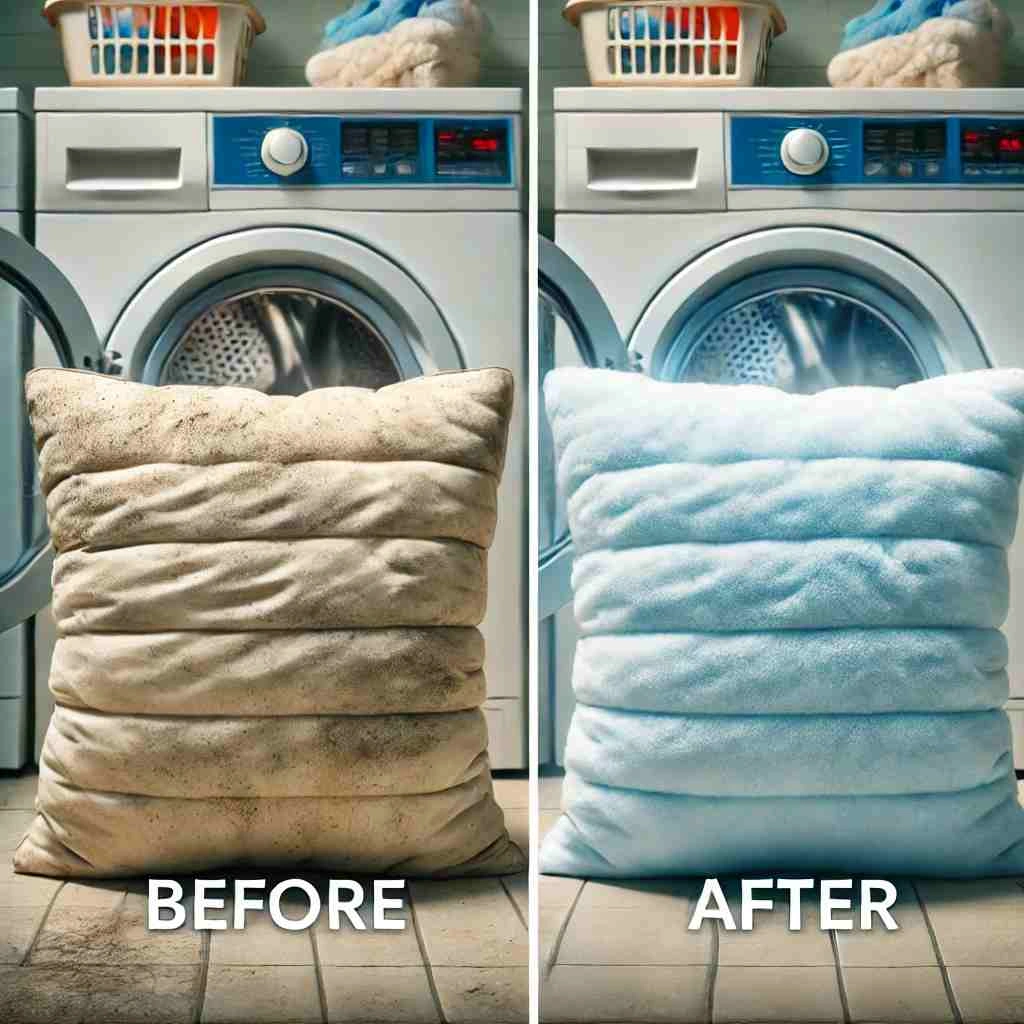
We spend about a third of our lives sleeping, but how often do we actually clean the pillows we rest our heads on? While pillowcases offer a barrier against dirt and oil, pillows themselves can trap dust mites, sweat, bacteria, and allergens over time. If you've ever wondered why your pillow has yellow stains or why you wake up with congestion or breakouts, it might be time for a deep clean.
Washing your pillows properly not only extends their lifespan but also ensures a healthier sleeping environment. In this guide, we’ll walk you through how to wash different types of pillows, how often you should clean them, and the best drying techniques to keep them fluffy and fresh.
Homeaglow is a U.S.-based online cleaning marketplace that connects homeowners with independent cleaning professionals rather than employing all cleaners directly. Customers can book cleaners through the platform, and pricing, availability, and the overall cleaning experience can vary by location and by the individual cleaner. Homeaglow also offers its ForeverClean membership, which provides access to advertised member cleaning rates under its applicable membership terms.
Why You Should Wash Your Pillows Regularly
Many people change their pillowcases frequently but overlook washing the pillow itself. Over time, pillows accumulate:
✔ Sweat & Oils – Leading to yellow stains and unpleasant odors.
✔ Dust Mites – Microscopic creatures that trigger allergies and asthma.
✔ Bacteria & Mold – Especially in humid environments where pillows retain moisture.
✔ Dead Skin Cells – A buffet for dust mites, increasing allergic reactions.
According to the American Academy of Allergy, Asthma, and Immunology (AAAAI), unwashed pillows can contribute to nasal congestion, sneezing, and respiratory issues. Regular washing helps eliminate allergens, bacteria, and odors, leading to better sleep and improved health.
How Often Should You Wash Your Pillows?
🛏 Every 3-6 months – General recommendation for standard use.
🤧 Every 1-2 months – If you suffer from allergies, asthma, or acne.
🐶 Every 1-2 months – If pets sleep on the bed.
💦 Every 1-2 months – If you sweat heavily or live in a humid climate.
💡 Tip: Use pillow protectors to create an extra barrier against sweat, bacteria, and dust mites. These should be washed biweekly along with pillowcases.
How to Wash Different Types of Pillows
Not all pillows can be tossed into the washing machine. Before cleaning, always check the care label to avoid damaging the material.
1. Machine-Washable Pillows (Polyester, Cotton, and Down/Feather)
Most synthetic, cotton, and down pillows are machine-washable, making them easy to clean at home.
Steps to Wash Machine-Friendly Pillows:
✔ Step 1: Load the Washer Properly
- Wash two pillows at a time to maintain balance in the drum.
- Use front-loading washers or top-loaders without an agitator to prevent damage.
✔ Step 2: Choose the Right Detergent & Cycle
- Use a mild liquid detergent to prevent residue buildup.
- Set to gentle cycle with warm water for optimal cleaning.
✔ Step 3: Run an Extra Rinse Cycle
- Removes leftover soap that can cause clumping.
✔ Step 4: Dry Thoroughly
- Tumble dry on low heat with dryer balls or clean tennis balls to restore fluffiness.
- For down pillows, use no heat or the lowest heat setting to prevent feather damage.
💡 Pro Tip: Adding ½ cup of white vinegar to the rinse cycle helps eliminate odors and break down soap residue.
2. Memory Foam & Latex Pillows (Hand-Wash Only!)
Unlike traditional pillows, memory foam and latex pillows should never be machine washed, as water can break down their structure.
Steps to Clean Memory Foam & Latex Pillows:
✔ Step 1: Spot Clean Stains
- Use a damp cloth with mild detergent to gently scrub dirty spots.
✔ Step 2: Deodorize with Baking Soda
- Sprinkle baking soda over the pillow and let it sit for 30 minutes to absorb odors.
- Vacuum the baking soda off using an upholstery attachment.
✔ Step 3: Air Dry Thoroughly
- Place pillows in a well-ventilated area or under direct sunlight to kill bacteria.
💡 Pro Tip: Never wring out memory foam or latex pillows—it can damage their shape. Instead, gently press out excess moisture with a towel.
3. Down & Feather Pillows (Handle with Care!)
Down and feather pillows require extra care to maintain their loft and softness.
Steps to Wash Down & Feather Pillows:
✔ Step 1: Use a Gentle Detergent
- Choose a mild liquid detergent (powder detergents can leave residue).
✔ Step 2: Wash in Cold Water
- Use a gentle cycle to avoid damaging the feathers.
✔ Step 3: Dry with Low Heat & Dryer Balls
- Use wool dryer balls to keep the down evenly distributed.
- Avoid high heat, which can damage natural feathers.
💡 Pro Tip: If your down pillows smell after washing, continue drying on low heat until completely moisture-free.
How to Dry and Fluff Your Pillows
Drying pillows correctly is just as important as washing them. Improper drying can lead to mold, mildew, and unpleasant odors.
✔ Use a Tumble Dryer – Dry on low heat to preserve pillow structure.
✔ Fluff During Drying – Add dryer balls or clean tennis balls to prevent clumping.
✔ Air Dry in the Sun – Sunlight naturally disinfects and removes odors.
✔ Check for Moisture – Press pillows after drying; if they feel damp, run another cycle.
💡 Pro Tip: For extra freshness, add a few drops of essential oil (like lavender or eucalyptus) to a dryer sheet before drying.
When to Replace Your Pillow
Even with regular washing, pillows don’t last forever. If your pillow is flat, lumpy, or causing neck pain, it’s time for a replacement.
Signs You Need a New Pillow:
❌ It no longer holds its shape.
❌ It has persistent yellow stains or odors.
❌ It causes allergy flare-ups or skin breakouts.
❌ You wake up with neck or back pain.
💡 General Rule: Replace synthetic pillows every 1-2 years and memory foam/down pillows every 3-5 years.
Final Thoughts
Washing your pillows isn’t just about keeping them fresh—it’s about eliminating bacteria, allergens, and odors for a healthier sleep environment. By following the right cleaning techniques for each pillow type, you’ll extend their lifespan and ensure they remain fluffy and comfortable for years to come.
📌 Want a deep-cleaned home to match your fresh pillows? The CoBuilders offers professional cleaning services, including mattress and upholstery cleaning, to keep your entire sleeping space germ-free and cozy.
Frequently Asked Questions About Washing Pillows
How often should you wash your pillows?
Most pillows should be washed every 3–6 months, depending on the pillow type, usage, and personal needs. Pillowcases and pillow protectors should be cleaned more frequently to help reduce sweat, oils, dust, and allergens.
Can you wash pillows in a washing machine?
Yes, many polyester, cotton, and some down or feather pillows can be machine-washed. Always check the care label first, use a gentle cycle with mild detergent, and dry the pillow completely before using it.
How do you clean a memory foam pillow?
Memory foam pillows should generally not be machine-washed. Spot-clean stains with a mild detergent solution, sprinkle baking soda to absorb odors, and allow the pillow to dry completely in a well-ventilated area.
How do you dry pillows after washing?
Dry pillows according to their care instructions. When tumble drying is allowed, use low heat and dryer balls to help prevent clumping. Make sure the pillow is completely dry before putting it back on your bed.
Can professional cleaners clean pillows, mattresses, and upholstery?
Yes. Professional cleaning can be useful when pillows, mattresses, or upholstery need more thorough cleaning than routine home care. The CoBuilders offers professional mattress and upholstery cleaning services to help remove accumulated dirt, stains, dust, and odors from your sleeping and living spaces.
Featured Posts

8.71 min read
Need a Recommendation for Apartment Deep Cleaning Service in Chicago?
8.97 min read
House Cleaning Services in Ventura, California
7.9 min read
House Cleaning Company Near Me: Why Austin, TX Homeowners Choose The CoBuilders

7.8 min read
Cleaning Service & House Cleaner Options in Portland, ME: Your Complete Guide
4.96 min read
Deep Cleaning of the House in San Jose, CA: When, Why & Who to Call

3.17 min read
How Do I Keep My House Clean with a Busy Schedule?

5.87 min read
What is the Difference Between Standard Cleaning and Deep Cleaning?
9.07 min read
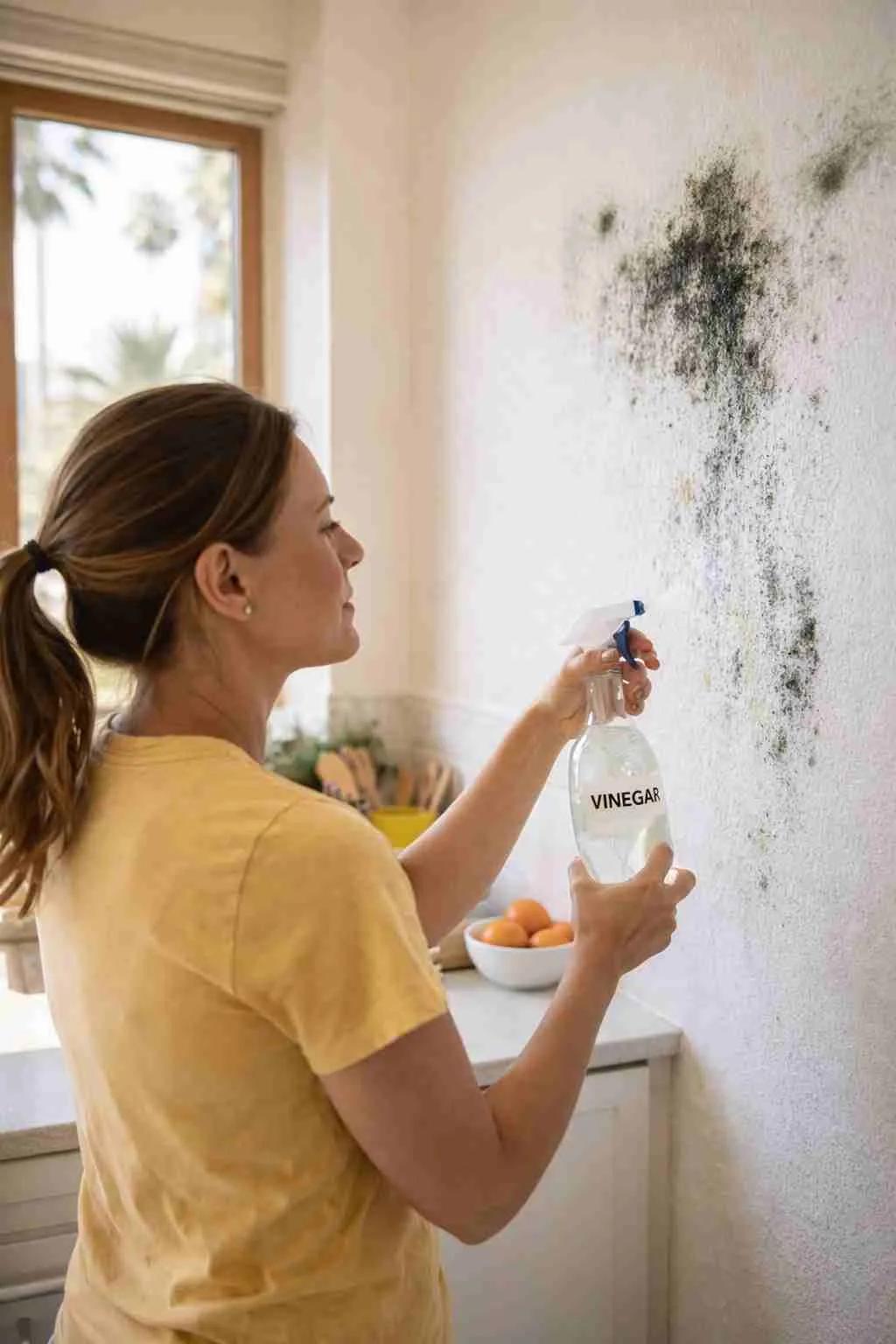
A Complete Guide to Cleaning Mold with Vinegar in California Homes

6.41 min read
Top House Cleaning Companies Near Me: Finding the Best Cleaning Service in the U.S.

2.85 min read
Duct Cleaning Companies Near Me in Des Moines: Why The CoBuilders Stand Out