
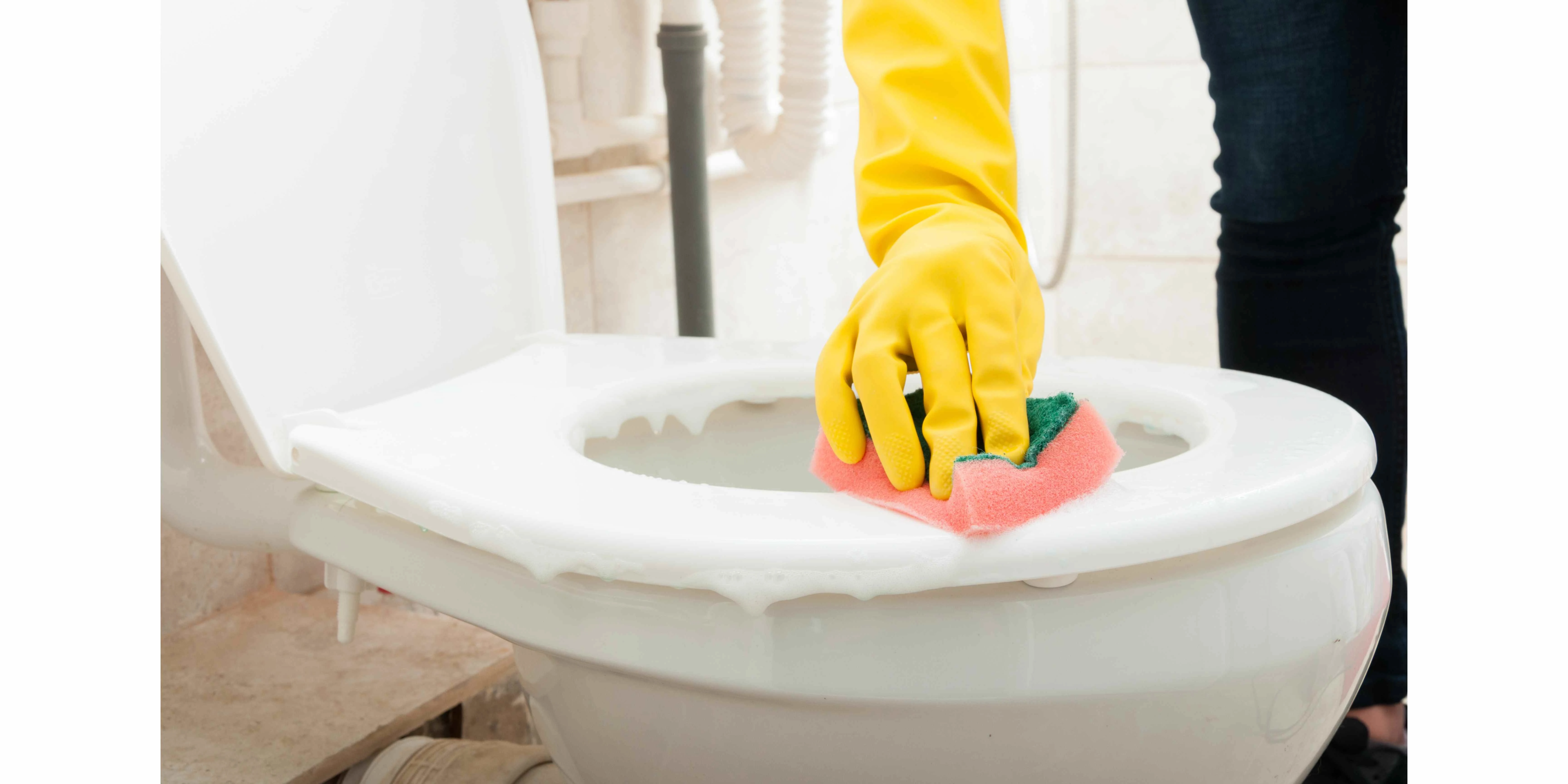
Toilet Bowl Stain Removal: How to Remove Tough Toilet Bowl Stains Safely
Dealing with toilet bowl stains is never enjoyable, but regular cleaning is essential for maintaining a hygienic and fresh-smelling bathroom. Whether you're dealing with brown hard water stains, rust marks, yellow mineral deposits, or stubborn discoloration, using the right toilet bowl stain removal method can restore your toilet without damaging the porcelain.
In this guide, you'll learn what causes toilet bowl stains, how to remove them using natural household products like vinegar and baking soda, when commercial cleaners may be more effective, and how to prevent stains from returning.
Why Does Your Toilet Bowl Get Stained?
Toilet bowl stains develop gradually as minerals, bacteria, and organic matter build up over time. Even toilets that are cleaned regularly can develop stains depending on the water quality in your area.
Some of the most common causes include:
- Hard water deposits caused by calcium and magnesium minerals
- Rust stains from iron in the water supply
- Limescale buildup from mineral-rich water
- Yellow stains caused by urine residue and mineral accumulation
- Black stains resulting from mold or mildew in damp environments
What Is the Best Toilet Bowl Stain Removal Method?
The best cleaning method depends on how severe the stain is.
For light to moderate stains, white vinegar and baking soda are safe, inexpensive, and effective. These common household ingredients help loosen mineral buildup while deodorizing the toilet bowl without using harsh chemicals.
For older rust stains or heavy mineral deposits, you may need a commercial toilet bowl cleaner designed specifically for those types of stains.
Supplies You'll Need
Before you begin, gather:
- White vinegar
- Baking soda
- Toilet brush
- Rubber gloves
- Measuring cup
- Microfiber cloth for wiping surrounding surfaces
For stubborn stains, you may also consider a commercial toilet bowl cleaner specifically formulated for hard water or rust.
How to Remove Toilet Bowl Stains
Step 1: Lower the Water Level
Flush the toilet to reduce the water level inside the bowl. Lower water allows the cleaning solution to reach stains more effectively.
Step 2: Apply White Vinegar
Pour approximately one cup of white vinegar around the inside of the bowl, making sure it coats stained areas.
Allow it to sit for 5–10 minutes.
The natural acidity helps dissolve mineral deposits and loosen grime.
Step 3: Add Baking Soda
Sprinkle a generous amount of baking soda into the bowl.
The mixture will fizz as it reacts with the vinegar. This reaction helps lift surface stains while reducing odors.
Step 4: Scrub Thoroughly
Using a toilet brush, scrub the entire bowl, paying extra attention to:
- Under the rim
- Water line stains
- Brown mineral deposits
- Corners where buildup collects
Continue scrubbing until the stains begin to loosen.
Step 5: Let the Mixture Work
Leave the vinegar and baking soda mixture in the bowl for another 10 to 15 minutes.
This gives the cleaning solution additional time to soften stubborn deposits.
Step 6: Flush and Inspect
Flush the toilet to rinse away loosened residue.
If stains remain, repeat the process or use a cleaner designed specifically for hard water or rust stains.
When Vinegar and Baking Soda May Not Be Enough
Natural cleaners work well for routine maintenance and light stains, but some stains require stronger cleaning solutions.
You may need a specialized toilet bowl cleaner if you're dealing with:
- Heavy rust stains
- Thick limescale deposits
- Years of mineral buildup
- Persistent discoloration that does not improve after repeated cleaning
Always follow the manufacturer's instructions when using commercial cleaning products.
Important: Never mix bleach with vinegar or other acidic cleaners, as doing so can produce hazardous gases.
Tips for Preventing Toilet Bowl Stains
Keeping stains from returning is easier than removing heavy buildup.
Clean Weekly
Regular cleaning prevents mineral deposits from hardening over time.
Brush Under the Rim
Many stains begin underneath the toilet rim where water flows during each flush.
Address Hard Water Quickly
If you live in an area with hard water, clean the toilet more frequently to reduce calcium and limescale buildup.
Flush Regularly
Unused toilets can develop mineral rings more quickly.
Use the Right Cleaner
Natural cleaners are excellent for routine maintenance, while commercial products may be better for severe mineral or rust stains.
Common Toilet Cleaning Mistakes
Avoid these mistakes when removing toilet bowl stains:
- Mixing bleach and vinegar
- Using abrasive steel wool on porcelain
- Ignoring stains until they become permanent
- Scrubbing too aggressively with metal tools
- Waiting several months between cleanings
Consistent maintenance is usually more effective than infrequent deep cleaning.
When to Consider Professional Cleaning
Most toilet bowl stains can be removed using routine cleaning methods. However, if your bathroom has years of accumulated mineral deposits, multiple stained fixtures, or heavy grime throughout the space, professional cleaning may save significant time and effort.
Professional deep cleaning can address hard-to-reach areas throughout the bathroom while restoring the overall appearance of sinks, tubs, showers, tile, grout, and toilets.
Final Thoughts
Toilet bowl stain removal doesn't have to involve harsh chemicals or expensive products. For routine cleaning, white vinegar and baking soda provide an effective, affordable way to remove many common stains while helping keep your bathroom fresh.
Regular maintenance, prompt attention to new stains, and choosing the appropriate cleaning method for the type of buildup will help extend the life and appearance of your toilet.
If your bathroom requires more than routine maintenance, The CoBuilders connects homeowners with experienced cleaning professionals who can provide comprehensive bathroom and whole-home cleaning services.
Whether you need a one-time deep clean or recurring house cleaning, our platform makes it easy to find trusted professionals and book services online.
Featured Posts
6.02 min read
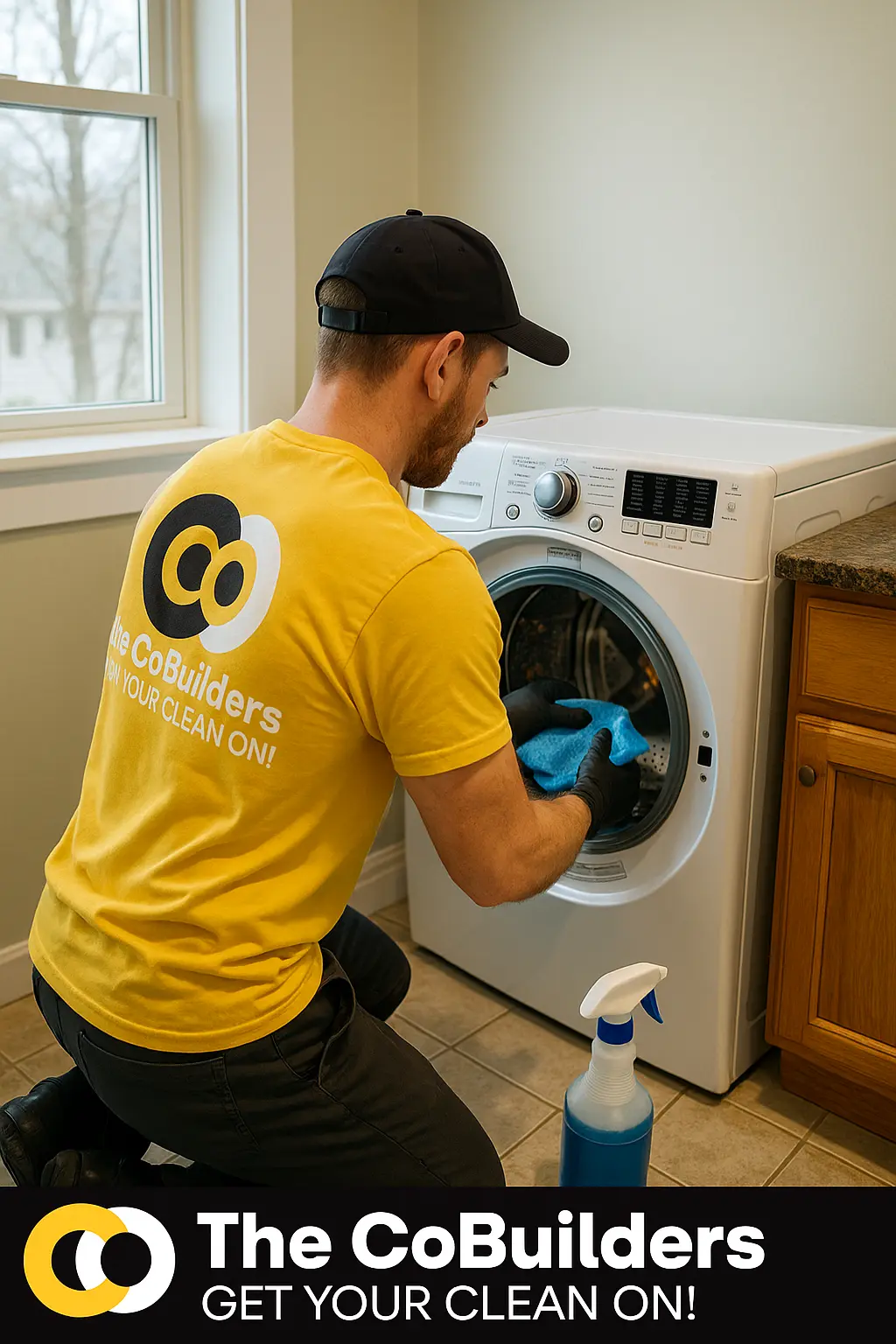
Cleaning Washing Machine: How to Clean Your Washer and Keep It Fresh

2.25 min read
Find Trusted Cleaners Near Me in Denver, CO – The CoBuilders Difference
3.37 min read
How Can I Start a Cleaning Business? A Beginner’s Guide to Getting Started the Right Way
3.84 min read
How Do I Start a Cleaning Business? A Step-by-Step Guide to Launching Smart
3.95 min read
How Do You Start a Cleaning Business? A Step-by-Step Guide for First-Time Entrepreneurs
3.52 min read
5 Easy and Effective Ways to Remove Grease Stains from Clothes
3.94 min read
Deep Clean Kitchen Service: Bring Back the Heart of Your Home

5.39 min read
Cleaning Your Laundry Machine in Louisville, KY: The Ultimate Guide for Sparkling Fresh Loads
3.67 min read
AI for Government Contractors: How The CoBuilders Is Revolutionizing Downtime Management and Work Tracking

3.95 min read
What the ‘No Tax on Tips Act’ Means for Cleaners and the Cleaning Industry