
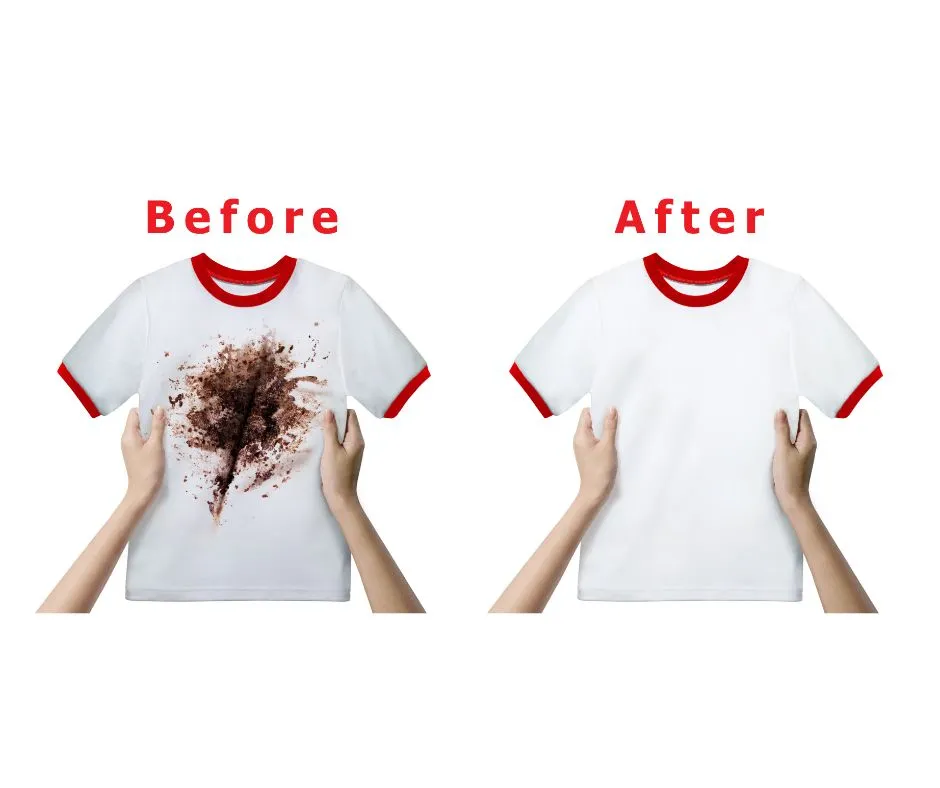
Introduction:
Grease stains can be a common and frustrating problem for those who care about their clothes. Whether it's a splash from cooking oil or a smear from working on your car, dealing with grease marks can be challenging. However, with the right techniques and products, you can removing grease stains effectively and restore your garments to their former glory.
Identify the Stain:
Before treating the grease stain, it's essential to identify the type of fabric you're dealing with. Different fabrics may require different cleaning methods to avoid damage. For instance, delicate fabrics, such as silk or wool, may require specialized detergent or dry cleaning, while durable fabrics like cotton, polyester, or nylon can withstand more intense cleaning.
Blot the Stain:
Blot the stain with a clean cloth to remove any excess grease without spreading it further. Use a white cloth or paper towel to prevent any dyes from transferring onto the fabric.
Pre-treat the Stain:
Apply a small amount of dish soap, laundry detergent, or a pre-treatment stain remover directly onto the grease stain. Choose a detergent containing enzymes, as they break down the grease and oils effectively. Gently rub the detergent into the stain using your fingers or a soft-bristled brush, working from the outside of the stain towards the center. Allow the detergent to penetrate the stain for a few minutes, but avoid leaving it for too long, as it may cause discoloration or damage to the fabric.
Let it Sit:
Let the detergent penetrate the grease stain for at least 10-15 minutes to break down the oils and loosen the stain. Avoid rubbing or scrubbing the stain excessively, as this can push the grease deeper into the fabric fibers.
Wash as Usual:
After pre-treating the stain, launder the garment as usual using the hottest water temperature recommended for the fabric. High heat settings can cause the stain to set permanently, so avoid using them. Add an extra boost of cleaning power by including a scoop of oxygen-based bleach or white vinegar to the wash cycle. Oxygen-based bleach is safer than chlorine bleach, which can damage some fabrics.
Check Before Drying:
Before drying the garment, check to ensure that the grease stain has been completely removed. If any traces of the stain remain, repeat the pre-treatment and washing process until the stain is gone. Avoid heat drying until the stain is entirely removed, as the heat can set the stain permanently.
Air Dry or Tumble Dry:
Once the stain is removed, air dry the garment if possible to prevent any remaining grease from setting into the fabric. If using a dryer, avoid high heat settings, as this can cause the grease stain to become more difficult to remove. Use a low heat setting and remove the garment before it's completely dry to prevent wrinkles.
Conclusion:
With these detailed yet straightforward methods from The CoBuilders, you can say goodbye to stubborn grease stains and keep your clothes looking clean and fresh. Remember to act quickly, use the right cleaning products, and follow the proper techniques to ensure the best results. Don't let grease stains ruin your favorite garments - tackle them head-on with confidence and reclaim your wardrobe!
Featured Posts

8.71 min read
Need a Recommendation for Apartment Deep Cleaning Service in Chicago?

8.97 min read
House Cleaning Services in Ventura, California
7.9 min read
House Cleaning Company Near Me: Why Austin, TX Homeowners Choose The CoBuilders

7.8 min read
Cleaning Service & House Cleaner Options in Portland, ME: Your Complete Guide
4.96 min read
Deep Cleaning of the House in San Jose, CA: When, Why & Who to Call

3.17 min read
How Do I Keep My House Clean with a Busy Schedule?

5.87 min read
What is the Difference Between Standard Cleaning and Deep Cleaning?

9.07 min read
A Complete Guide to Cleaning Mold with Vinegar in California Homes

6.41 min read
Top House Cleaning Companies Near Me: Finding the Best Cleaning Service in the U.S.

2.85 min read
Duct Cleaning Companies Near Me in Des Moines: Why The CoBuilders Stand Out