
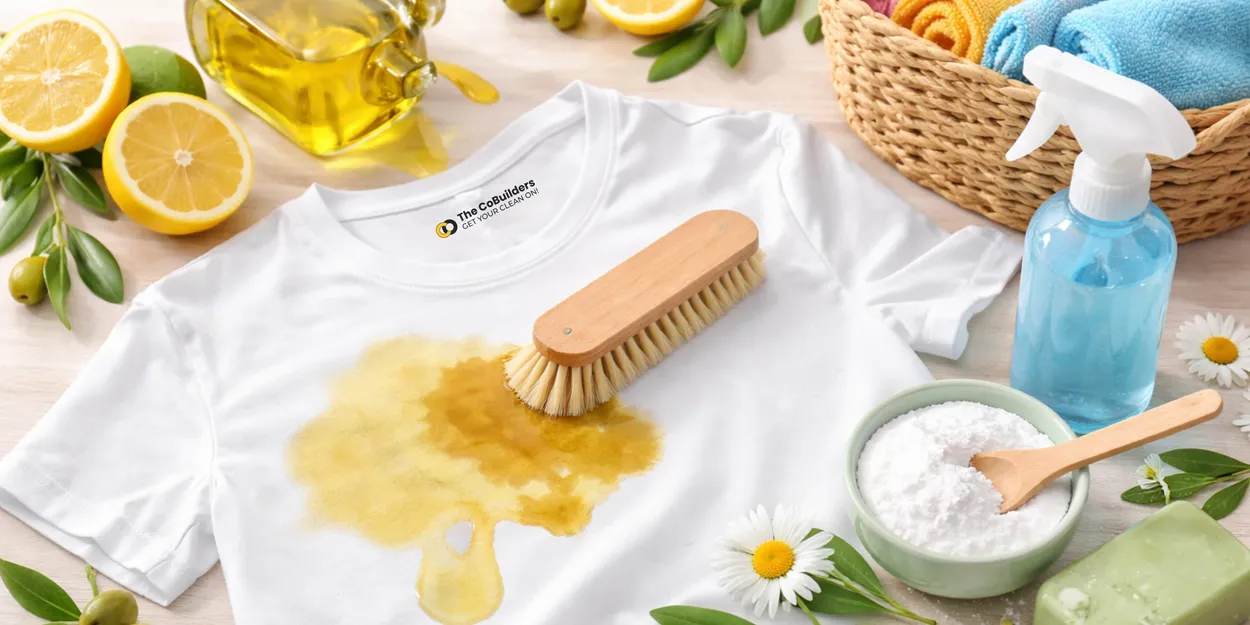
We’ve all been there: a stray drop of salad dressing, a splash of oil, or a smudge of bike grease ruins your favorite shirt. You might think that once an oil mark hits the fabric, the garment is destined for the "around the house only" pile.
The truth is that oil stains on clothes are stubborn, but they aren't permanent. You just need to understand the chemistry of how to fight them. Whether you just spilled olive oil or discovered a dark mystery spot on a shirt that’s already been through the dryer, this guide will walk you through several field-tested methods to reclaim your wardrobe.
Why Oil Stains Are So Stubborn?
To effectively learn how to get rid of oil stains on clothes, you first need to understand the enemy. Unlike water-based stains (like coffee or juice), oil is hydrophobic. It doesn't dissolve in water. It grips the synthetic or natural fibers of your clothing and sets as it cools.
If you apply water alone, the oil will simply repel it. To get it out, you need a surfactant to break the bond between the oil and the fabric, or an absorbent to pull the oil out before it settles.
The Golden Rule: Act Fast, But Don't Scrub
The moment you notice oil marks on clothes, your instinct is to grab a napkin and scrub. Do not do that. Scrubbing pushes the oil deeper into the weave of the fabric, making it nearly impossible to lift. Instead, grab a clean paper towel and blot firmly. Your goal is to remove as much excess liquid as possible before it has a chance to set.
Correct Methods to Treat Oil Stains on Fabric
Method 1: The Dish Soap Miracle (Best for Fresh Stains)
The most effective grease remover is likely sitting right at your kitchen sink. High-quality dish soaps are specifically engineered to break down animal fats and vegetable oils on plates. They do the exact same thing on cotton and polyester.
The Process:
- Blot: Remove excess oil with a paper towel.
- Apply: Squirt a small amount of clear dish soap (avoid versions with heavy dyes) directly onto the stain.
- Massage: Use your fingers or a soft-bristled toothbrush to gently work the soap into the fibers in a circular motion.
- Wait: Let it sit for at least 15 to 30 minutes.
- Rinse: Wash the area with the hottest water the garment’s care label allows.
Method 2: Powder (Best for Delicate Fabrics)
If you are dealing with silk or suede, where liquid cleaners might leave behind a stain, you need an absorbent cleaner. This method uses physics rather than chemistry to lift oil stains from clothes.
Tools Required:
- Baking soda
- Cornstarch
- Talcum powder
The Process:
Cover the stain completely with a thick layer of the powder. Leave it for at least an hour or better yet, overnight. The powder acts as a vacuum, drawing the oil out of the fabric. Afterward, brush the powder away. If the spot remains, repeat the process or move to a liquid-based grease cleaner.
Method 3: WD-40 or Lighter Fluid (For Old Stains)
Finding an old grease spot after the clothes have been through the dryer is a nightmare. The heat of the dryer "bakes" the oil into the fibers. However, you can actually remove old oil stains from clothes by "reactivating" the oil.
It sounds counterintuitive to put more oil-based product on a stain, but the solvents in WD-40 break down the hardened grease.
- Test: Always test a hidden area first.
- Reactivate: Spray a small amount of WD-40 onto the old stain.
- Wait: Let it sit for 20 minutes to soften the old oil.
- Treat: Now that the oil is wet again, apply dish soap directly over the WD-40.
- Wash: Launder as usual. The soap will carry away both the WD-40 and the original stain.
Essential Tips for Removing Oil Stains From Clothes Successfully

How to Choose the Correct Grease Cleaner for Your Garment?
While DIY methods work for 90% of cases, some industrial-strength grease cleaners are worth keeping in the laundry room for heavy-duty messes like motor oil or thick mechanical grease. Look for products containing limonene (citrus extracts) or specialized enzymes. These attack the molecular structure of the grease, making it water-soluble.
Natural Fibers vs. Synthetics
- Cotton: Generally hardy and can handle vigorous dish soap treatment.
- Polyester/Athletic Gear: These are "oleophilic" (oil-loving). They hold onto body oils and food grease much more tightly than cotton. You may need to treat these twice.
- Wool/Silk: Avoid harsh chemicals. Stick to cornstarch or professional dry cleaning.
Common Mistakes to Avoid
- Using Bar Soap: Most bar soaps contain fats. Adding fat to a grease stain is a recipe for failure. Stick to liquid dish soap or a dedicated grease remover.
- Cold Water Only: While cold water is great for blood or protein stains, it causes oil to solidify. Unless the fabric is incredibly delicate, go warm.
- Giving Up Too Soon: Heavy oil marks may require two or three rounds of treatment. If you see progress, keep going.
When to Seek Professional Help for Stain Removal from Clothes?
Sometimes, a stain is too large, the fabric is too expensive, or you simply don't have the time. When DIY methods aren't enough, or when your entire wardrobe needs a professional refresh to remove stubborn odors and hidden spots, it's time to call in the experts.
Maintaining a clean, professional appearance shouldn't be a full-time job. For those living a busy lifestyle, The CoBuilders provide top-tier cleaning services nationwide, ensuring that your home and your belongings remain in pristine condition without you having to lift a finger.
FAQ
Q1. Does Dawn dish soap remove oil from clothes?
Yes, Dawn is a highly effective grease remover because it contains concentrated surfactants specifically designed to break the molecular bond between fat and surfaces. It emulsifies the oil, allowing it to be flushed away by water. It is widely considered the "gold standard" for treating oil stains on clothes at home.
Q2. Do vinegar and baking soda remove oil stains?
Only partially because this combination is better for odors than actual grease. Baking soda is an excellent absorbent that can lift wet oil marks on clothes before they set. However, mixing vinegar and baking soda creates a neutral salt solution that loses its cleaning potency. For best results, use baking soda to absorb the oil first, then use a detergent to wash the residue.
Q3. How long should you let Dawn sit on clothes?
For fresh stains, 15 to 30 minutes is sufficient. For stubborn or old oil stains from clothes, let the soap sit for at least one hour or even overnight.
Q4. Can toothpaste remove grease stains?
In short, yes, but with risks. Non-gel white toothpaste contains mild abrasives and surfactants (like SLS) that can help lift oil stains on clothes. However, it can also bleach or abrade delicate fabrics. It is a last resort method. Using a liquid dish soap is always safer and more effective for preserving the garment's integrity.
Featured Posts
6.04 min read
Cleaners Services Near Me: How to Find Reliable House Cleaning in Your Area
6.63 min read
Dry Cleaning: What It Is, How It Works, and When You Need It
6.02 min read
Cleaning Washing Machine: How to Clean Your Washer and Keep It Fresh

2.25 min read
Find Trusted Cleaners Near Me in Denver, CO – The CoBuilders Difference
3.37 min read
How Can I Start a Cleaning Business? A Beginner’s Guide to Getting Started the Right Way

3.84 min read
How Do I Start a Cleaning Business? A Step-by-Step Guide to Launching Smart
3.95 min read
How Do You Start a Cleaning Business? A Step-by-Step Guide for First-Time Entrepreneurs

3.52 min read
5 Easy and Effective Ways to Remove Grease Stains from Clothes
3.94 min read
Deep Clean Kitchen Service: Bring Back the Heart of Your Home

5.39 min read
Cleaning Your Laundry Machine in Louisville, KY: The Ultimate Guide for Sparkling Fresh Loads