
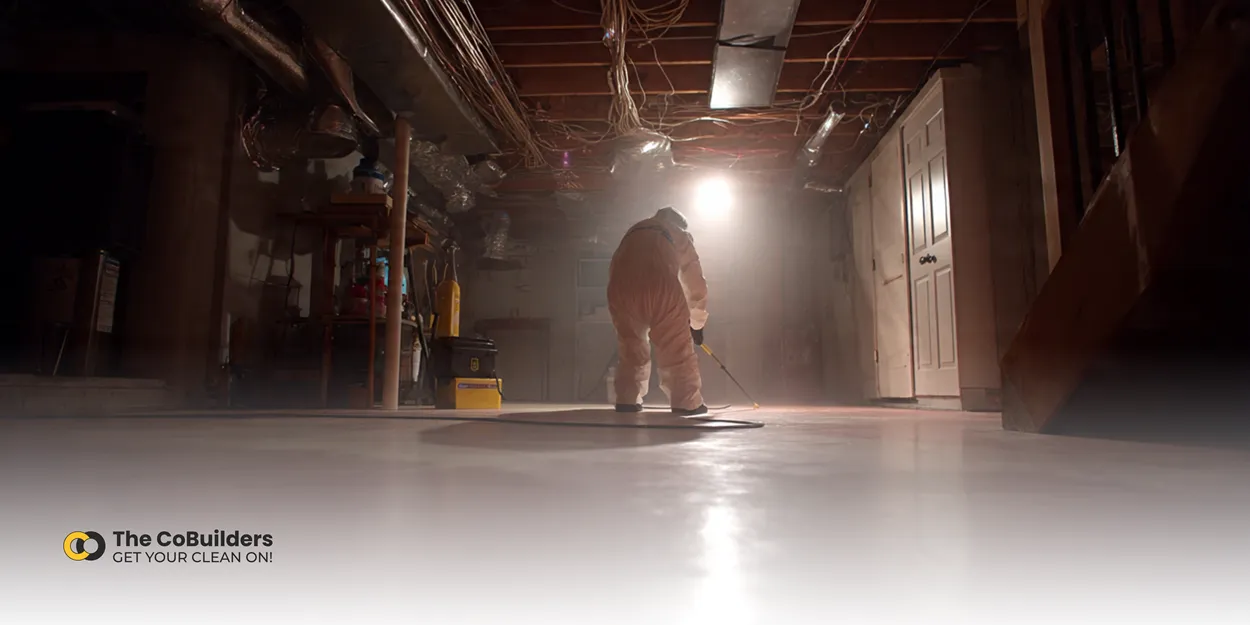
A dirty basement isn’t just an eyesore. Left unchecked, it quietly becomes a high-risk zone, a source of health problems, structural decay, infestations, expensive remediation bills, and a drain on your home’s value.
This guide breaks down what’s actually dangerous, why an unfinished basement multiplies the risk, what professional basement cleaning services do, and why they’re usually worth it.
Why You Should Stop Ignoring the Basement
A dirty or damp basement is not only messy, but it can cause some real, measurable harm:
- Mold and Mildew: Mold spores thrive on damp, dark surfaces. Exposure causes allergic reactions and worsens asthma. Certain molds can release mycotoxins that increase respiratory and neurological complaints. Mold can also permanently damage wood, drywall, and stored belongings.
- Radon Accumulation: Basements are the most common place for radon to concentrate. Radon exposure is a leading cause of lung cancer in non-smokers. You can’t smell or see it, but you must test for it.
- Pests and Vectors: Rodents, cockroaches, and other pests love cluttered basements. They bring pathogens, chew wiring (creating fire hazards), ruin insulation, and accelerate contamination.
- Structural Damage and Rot: Constant moisture leads to wood rot, corroded metal, degraded insulation, and even compromised foundation elements, turning a cheap fix into major construction work.
- Hidden Water Damage & Flood Risks: Small leaks that are ignored will become big problems. Floor joists, subfloors, and mechanical systems can be ruined. Flood cleanup and repairs often cost thousands of dollars.
- Chemical Hazards: You often store paints, fertilizers, old automotive fluids, and cleaning solvents in the basements. When containers leak or break, they create chemical exposure and fire risk.
- Odor, Resale Value, and Livability: Persistent musty smells reduce comfort and can make a home harder to sell.
If you have a damp, cluttered, or unfinished basement, treat it as a priority, not a project for “someday.”
Why Unfinished Basements Need Extra Attention
When you’re cleaning an unfinished basement, understand that “unfinished” usually means fewer protections: exposed concrete, no vapor barriers, open framing, exposed insulation, fewer finished floors, and often inadequate HVAC/ventilation. Those conditions make moisture control, mold growth, pest ingress, and chemical off-gassing far more likely.
An unfinished basement cleaning service does more than sweep, they look for vulnerabilities that will keep the basement from staying clean: drainage, leaks, humidity, and sources of contamination. If your basement is unfinished, DIY cleaning without addressing these root causes will buy you only a few weeks of cleanliness.
What Professional Basement Cleaning Services Actually Do
Good basement clean-up services are structured, methodical, and most importantly, hard to find. Here’s a practical list of tasks a competent team will (or should) perform:
- Initial Assessment: Identify water entry points, mold hotspots, evidence of pests, and any hazardous materials (asbestos, old paints, batteries).
- Containment and Safety: Set up containment if mold or contaminated materials are present. Use HEPA filtration and negative air when required.
- Debris & Junk Removal: Safe removal and responsible disposal of trash, damaged materials, and contaminated items is important. Many teams coordinate with junk removal or disposal services.
- Drying and Moisture control: Use industrial dehumidifiers, air movers, and targeted drying to lower RH and stop mold growth.
- Mold Remediation (if present): Remove or clean mold-impacted materials per industry standards; treat surfaces with EPA-approved antimicrobials when appropriate.
- Deep cleaning & Deodorizing: HEPA vacuuming, surface cleaning, odor neutralization, and sanitization of surfaces and HVAC returns/vents.
- Minor Repairs & Recommendations: Sealing small cracks, advising on sump pumps, French drains, gutters, and insulation upgrades.
- Final Inspection & Documentation: Take photos and notes so you know what was done and why. This is useful for insurance or resale.
Don’t pick the cheapest team unless they offer inspection, containment, and documentation. The savings you get at the front end can become a hefty bill later if the job is incomplete.
When to DIY And When to Call the Pros For Basement Cleaning Services
Do it yourself if:
- The job is purely decluttering (trash, donation sorting), and there’s no visible mold, standing water, or hazardous materials.
- You can isolate the problem and have the tools (industrial dehumidifier, respirator, gloves, HEPA vacuum).
Call professionals if:
- You find significant mold growth (patchy, fuzzy, extensive).
- There’s standing water or signs of chronic dampness.
- You suspect radon (do a radon test; if high, contact a specialist).
- There is structural damage, exposed electrical wiring, or strong chemical smells.
- You don’t have the time, tools, or physical ability to do the work safely.
Costs: What You Should Expect
Pricing varies wildly depending on size and severity. Basic cleaning and decluttering can cost a few hundred dollars. Comprehensive remediation (water extraction, mold remediation, structural repair) can run into thousands or tens of thousands.
Flooded basement remediation averages considerably higher. When you’re comparing quotes from different basement cleaning services, get itemized estimates: removal, drying, mold remediation, disposal, and follow-up testing.
Quick Prevention Tactics You Can Implement Today
- Fix gutters and downspouts so water is directed away from the foundation.
- Keep a dehumidifier running until the humidity is consistently under 50%.
- Don’t store cardboard, paper, or textiles directly on the concrete. Instead, use shelving or plastic bins.
- Test for radon. It’s inexpensive and can save lives.
- Seal visible wall/floor cracks and install proper insulation with a vapor barrier if you plan to finish the basement.
Final Words
A dirty basement is an invisible tax on your health and home equity. Treat it like a structural and health problem, not a weekend cleaning chore. If you need a reliable team to assess risk, stop ongoing damage, and restore the space, professional basement cleaning services exist for a reason. They stop small problems from becoming catastrophic ones.
If you want a single, nationwide provider recommendation, consider a professional assessment from The CoBuilders. They offer coordinated cleanup services across the U.S and can help you restore safety and hygiene in your home.
FAQ
1. How often should I get my basement professionally cleaned?
For most homes, a professional basement cleaning once or twice a year is ideal. However, if your area is humid, flood-prone, or if you use your basement for storage, you might need cleaning more frequently to prevent mold and dampness.
2. Can I clean an unfinished basement myself?
Yes, you can clean your basement with proper safety gear and the right tools. However, for mold, pests, or water damage, it’s safer to hire an unfinished basement cleaning service to avoid health risks and incomplete remediation.
3. Do I need a basement cleaning service after a flood or leak?
Absolutely, floodwater often contains bacteria, mold spores, and sewage contaminants. After drying the space, professional basement cleaners near you can sanitize surfaces, remove damaged materials, and ensure your basement is safe and dry again.
4. Is it worth hiring a basement cleaning service if I don’t use my basement?
Yes, even unused basements accumulate dust, pests, and moisture. All of which can migrate upward into your living areas. Routine cleaning prevents long-term structural damage and preserves your home’s air quality and value.
Featured Posts
8.71 min read
Need a Recommendation for Apartment Deep Cleaning Service in Chicago?
8.97 min read
House Cleaning Services in Ventura, California
7.9 min read
House Cleaning Company Near Me: Why Austin, TX Homeowners Choose The CoBuilders

7.8 min read
Cleaning Service & House Cleaner Options in Portland, ME: Your Complete Guide
4.96 min read
Deep Cleaning of the House in San Jose, CA: When, Why & Who to Call

3.17 min read
How Do I Keep My House Clean with a Busy Schedule?

5.87 min read
What is the Difference Between Standard Cleaning and Deep Cleaning?
9.07 min read
A Complete Guide to Cleaning Mold with Vinegar in California Homes
6.41 min read
Top House Cleaning Companies Near Me: Finding the Best Cleaning Service in the U.S.

2.85 min read
Duct Cleaning Companies Near Me in Des Moines: Why The CoBuilders Stand Out