
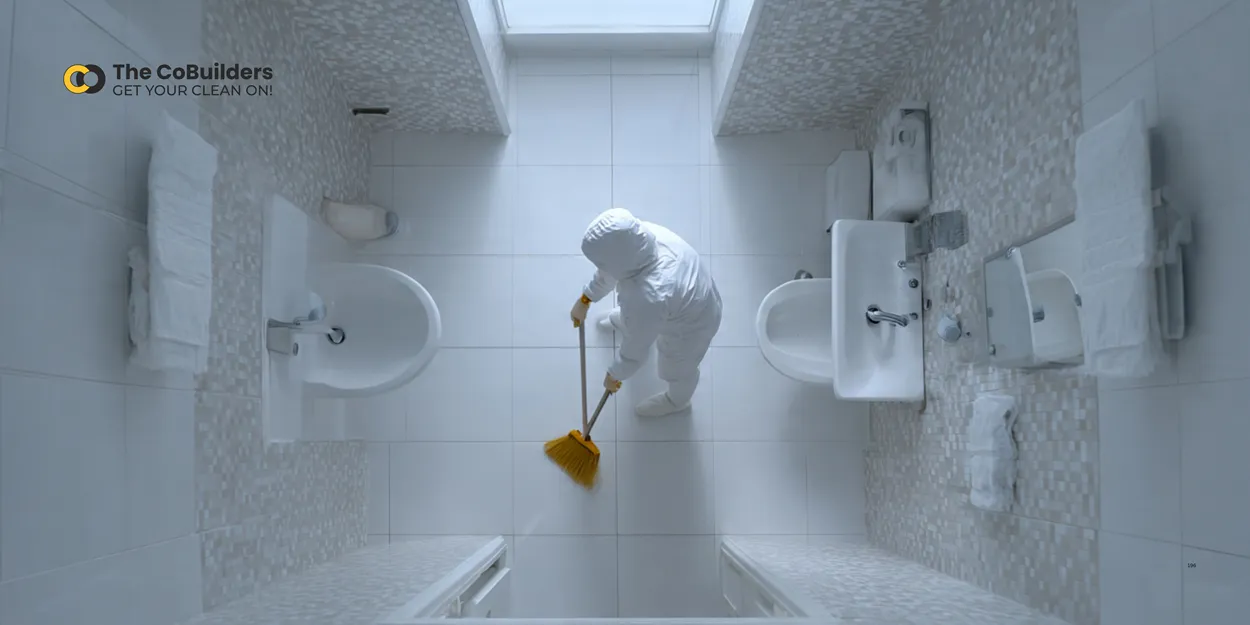
If you are searching for how to clean bathroom tiles, grout, and fixtures effectively, you’ve come to the perfect place. Cleaning it well means understanding materials, using the right chemistry, and applying perfect technique. Keep on reading to find a trusted and practical guide to rely on.
But doing it well means more than scrubbing hard. It’s about understanding materials, using the right chemistry, and applying expert technique. Below is a trusted, practical guide you can rely on.
Understand What You’re Dealing With
Tiles and grout are very different surfaces:
- Tiles (ceramic, porcelain, sometimes natural stone) tend to be glazed or sealed, so they resist moisture, but their edges and joints trap soap scum, mineral deposits, and mildew.
- Grout is porous and often becomes the weak link. Over time, it stains, breaks down, or darkens if it’s unsealed or worn.
Because of this, you must avoid overly aggressive or acidic cleaners. While cleaning the bathroom with vinegar works great for dissolving soap scum, repeated use can erode grout, particularly if it hasn’t been sealed. So use vinegar sparingly and cautiously.
Gather Your Tools and Safe Cleaners
Here’s what you’ll need:
- Soft microfiber cloths or non-abrasive sponges
- Soft nylon or grout brushes or an old toothbrush
- A spray bottle
- A pH-neutral tile cleaner (or mild dish soap)
- Baking soda
- Hydrogen peroxide
- Clean water for rinsing
- Grout sealer (for after cleaning)
You can try using a paste of baking soda and hydrogen peroxide for stubborn grout stains, letting it sit 10-30 minutes, then scrubbing. This method is less aggressive than bleach, but still effective. Also, avoid using straight bleach or harsh acids repeatedly. Bleach can degrade grout over time, making the problem worse.
Step-by-Step Bathroom Cleaning Process
Pre-Clean and Prep
- Ventilate the bathroom (open windows, run fan).
- Remove loose debris or dust from tiles with a dry brush or vacuum.
- Protect fixtures (faucets, metal finishes) with a damp cloth. You don’t want any cleaner sitting on chrome, brass, or plated surfaces.
Clean Tiles (Walls and Floors)
- Mix a gentle cleaner: one part distilled white vinegar and two parts warm water.
- Spray lightly on tiles and let it sit for a minute or two to loosen soap scum.
- Use a microfiber cloth or sponge to wipe in gentle circles.
- For tougher spots, dip in baking soda and scrub gently (especially on floors).
- Rinse thoroughly with clean water.
Attack Grout Lines
- Apply a paste of baking soda and hydrogen peroxide to the grout lines.
- For extra stubborn stains, some people cover the paste with cling wrap for 10-15 minutes to keep it moist.
- Then scrub with a narrow brush or toothbrush.
- Rinse the area well, then mop or wipe away residue.
Clean the Fixtures (Faucets, Shower Heads, Toilet Surrounds)
For faucets and handles: wrap a soft cloth soaked in vinegar and water around them for 15-30 minutes, then wipe clean. This helps dissolve limescale. After removing the wrap, wipe with a dry microfiber cloth.
Post-Cleaning
Seal the grout once dry. A good sealer fills micro-pores and keeps stains from penetrating again. Many homeowners report that sealed grout “wipes clean” more easily, while unsealed grout becomes a constant battle.
- Regular Maintenance: After each shower, squeegee tiles or wipe them down to prevent soap film from building up.
- Spot Clean Regularly: Every week, try spot cleaning so you don’t let grime oxidize into permanent stains.
- Avoid Abrasive Scrubbers: Constant use of harsh acids may damage tile finishes or strip sealers.
When to Call Home Cleaning Professionals
If your grout is crumbling or the discoloration looks permanent despite the DIY efforts, that’s when professional help makes sense. The CoBuilders offer reliable bathroom cleaning services that include specialized grout restoration, sealing, and deep tile care. Their expertise ensures your bathroom doesn’t just look clean but stays protected long term.
Final Thoughts
Knowing how to clean bathroom tiles, grout, and fixtures effectively means balancing power with care. Use gentle chemistry, targeted scrubbing, and routine protection. And when things get out of hand, professional support can restore the shine without risking damage. Follow this regimen, and your bathroom will stay cleaner longer with lasting shine.
Featured Posts

3.6 min read
How to Find a House Cleaner Near You?

1 min read
Exploring The CoBuilders' Clean Service

2 min read
Become a Pro Cleaner with The CoBuilders

1.14 min read
Post-Party Cleanup

1 min read
Weekends: Relaxation, Not Renovation!
2.42 min read
Cleaning Near Me: A Better Way to Find Trusted Professional Cleaners

1.59 min read
House Cleaning Service Hacks: What to Expect from the Pros

2.84 min read
How to Clean Washer Machines: A Complete Guide to a Fresher Laundry Room
3.09 min read
Cleaning Service at Home: Everything You Need to Know Before You Book

3.3 min read
SCRUB GPT: The AI Assistant Helping Cleaners Turn Zip Codes Into Revenue