Walk-In Cooler Cleaning Service: Why Regular Cleaning and Maintenance Matter
A walk-in cooler works behind the scenes, but the condition inside it affects everything from food storage and employee workflow to odors, spills, pest attraction, and day-to-day sanitation.
In restaurants, grocery stores, commercial kitchens, cafeterias, hotels, convenience stores, and other food-service facilities, spills and food debris can accumulate quickly. Shelving gets crowded. Boxes move in and out. Moisture collects around floors and doorways. Small messes can become much harder to address if they are repeatedly overlooked.
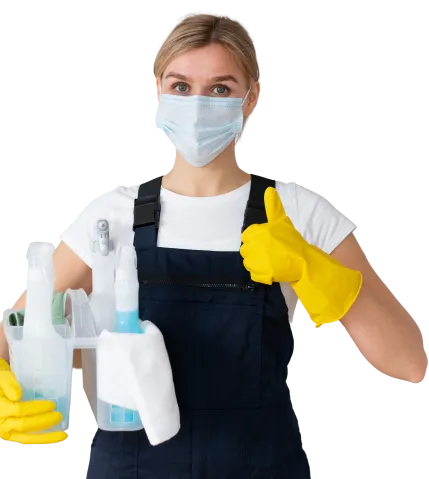
A professional walk-in cooler cleaning service can help businesses maintain interior floors, walls, shelving, doors, handles, and other accessible surfaces while allowing staff to focus on daily operations.
The important distinction is that cleaning the cooler interior is not the same as servicing the refrigeration system. Mechanical work involving refrigerant, electrical systems, coils, motors, or other refrigeration components should be performed according to manufacturer guidance and, where appropriate, by a qualified refrigeration technician.
What Is Walk-In Cooler Cleaning?
Walk-in cooler cleaning focuses on removing food debris, spills, grease, soil, residue, and other buildup from accessible surfaces inside and around a commercial refrigerated storage area.
Depending on the facility and agreed scope, cleaning may include:
- Floors
- Walls
- Shelving
- Racks
- Door surfaces
- Handles
- Accessible gaskets
- Corners and edges
- Accessible drains
- Exterior touchpoints
- Areas underneath movable shelving
The exact scope should be established before cleaning begins.
A heavily soiled restaurant cooler may require very different work from a lightly used beverage cooler.
Why Walk-In Cooler Cleaning Is Important
Walk-in coolers are food-storage environments.
That alone makes routine cleaning important.
Food packages can leak.
Produce can drop debris.
Cardboard can become damp.
Liquids can spill.
Employees continuously enter and leave the cooler.
Over time, those conditions can contribute to dirty floors, sticky shelving, unpleasant odors, and difficult-to-reach buildup.
Regular cleaning helps businesses address those problems before they become larger cleaning projects.
1. Cleaning Helps Support Food-Safe Operations
A cleaner storage environment supports good food-handling practices.
That does not mean ordinary janitorial cleaning can guarantee food safety or regulatory compliance.
Food safety depends on many factors, including:
- Proper food temperatures
- Storage procedures
- Separation of food items
- Employee practices
- Cleaning and sanitizing procedures
- Pest control
- Equipment condition
- Local requirements
But keeping the cooler interior clean is an important part of maintaining a well-managed food-storage area.
Spills should not be allowed to remain indefinitely.
Food debris should not accumulate underneath shelving.
Frequently touched surfaces should receive appropriate attention.
And products used around food-storage areas should be selected and applied according to their labels, manufacturer instructions, and the facility's food-safety procedures.
2. Regular Cleaning Helps Control Odors
A walk-in cooler can develop unpleasant odors for several reasons.
Common sources include:
- Spilled liquids
- Leaking food containers
- Spoiled food
- Produce debris
- Dirty shelving
- Floor buildup
- Trash or packaging
- Moisture around drains or corners
Fragrance alone does not solve those problems.
The more effective approach is to identify and remove the source.
A thorough walk-in cooler cleaning service can address accessible residue and debris instead of simply masking the smell.
If an odor persists after cleaning, further investigation may be necessary.
3. Cleaner Floors Can Improve the Working Environment
Cooler floors experience constant traffic.
Employees may carry:
- Boxes
- Trays
- Beverage cases
- Produce
- Prepared foods
- Containers
Spills and residue can make floors increasingly difficult to maintain.
Routine floor cleaning helps remove dirt and food residue before it becomes heavily embedded.
Businesses should also respond promptly to liquid spills because wet or greasy floors may create slip hazards.
Professional cleaning supplements daily spill response; it should not replace it.
4. Cleaning Makes It Easier to See Other Problems
A heavily soiled surface can hide problems.
Once shelving, flooring, doors, and accessible surfaces are clean, it may become easier for facility staff to notice issues such as:
- Damaged gaskets
- Loose shelving
- Cracked surfaces
- Standing water
- Damaged floor areas
- Condensation
- Evidence of pests
- Unusual ice accumulation
- Drainage problems
A cleaning professional may point out visible concerns, but diagnosing or repairing refrigeration equipment is a different service.
What Should Be Included in a Walk-In Cooler Cleaning Service?
Before hiring a commercial cleaning provider, define the scope clearly.
“Clean the walk-in” can mean very different things to different businesses.
A useful scope might address the following areas.
Walk-In Cooler Floors
Floor cleaning may include:
- Removing loose debris
- Sweeping or vacuuming where appropriate
- Cleaning spills
- Scrubbing appropriate floor surfaces
- Cleaning along edges and corners
- Mopping according to surface requirements
Floor condition matters.
The correct method may differ for:
- Tile
- Concrete
- Resin flooring
- Metal surfaces
- Specialty commercial flooring
Cleaning products should be compatible with the floor.
Walls and Interior Surfaces
Cooler walls can collect:
- Splashes
- Food residue
- Dust
- Marks from boxes
- Condensation-related soil
Accessible wall surfaces can be wiped or cleaned using a method appropriate for the material.
Avoid excessive water.
Water should not be directed into electrical components, joints, equipment openings, or other areas where moisture could cause damage.
Shelving and Racks
Shelving often requires substantial attention because products are continuously being moved across it.
Cleaning may involve:
- Removing loose debris
- Wiping shelf surfaces
- Cleaning supports
- Cleaning accessible corners
- Addressing dried spills
- Cleaning beneath movable racks
Food and inventory may need to be temporarily relocated before these areas can be cleaned properly.
That should be coordinated with facility management.
Doors and Handles
Walk-in cooler doors are touched frequently.
Cleaning may include:
- Interior door surfaces
- Exterior door surfaces
- Handles
- Push plates
- Accessible edges
Door components should be cleaned without damaging controls, seals, or hardware.
Door Gaskets
Accessible gaskets can collect:
- Food particles
- Soil
- Sticky residue
They can be cleaned carefully using methods compatible with the gasket material.
Cleaning professionals should not remove, stretch, repair, or replace refrigeration seals unless that work is within their qualifications and service scope.
If the gasket appears damaged, facility management can arrange appropriate maintenance.
Corners and Hard-to-Reach Areas
Food debris often accumulates where routine cleaning tools do not easily reach.
That may include:
- Behind shelving
- Under movable racks
- Floor edges
- Corners
- Around doorways
Periodic detailed cleaning can address areas missed during faster daily cleaning.
Drains
If the cooler contains an accessible floor drain, cleaning around the drain may be part of the service.
However, a blocked or malfunctioning drain may require plumbing, refrigeration, or facility-maintenance attention.
A cleaner should not claim to repair drainage problems simply by cleaning around them.
What About Mold in a Walk-In Cooler?
Visible growth in a cooler should not automatically be treated as an ordinary wiping task.
Moisture problems may contribute to recurring growth.
If you see substantial, persistent, or recurring suspected mold, facility management should first determine why the area remains wet.
Possible contributors can include:
- Condensation
- Water intrusion
- Drainage issues
- Door-seal problems
- Equipment problems
Cleaning the visible surface without addressing the moisture source may not solve the underlying issue.
Extensive mold remediation may also fall outside ordinary commercial janitorial service.
Does Walk-In Cooler Cleaning Include Evaporator Coils?
This is an important distinction.
Interior cooler cleaning and refrigeration-system maintenance are not the same service.
Evaporator coils, condenser coils, fans, electrical components, and mechanical refrigeration equipment may require specific procedures.
Incorrect cleaning could damage equipment or create electrical and refrigeration hazards.
Routine commercial cleaners should not automatically:
- Disassemble evaporator equipment
- Service refrigeration coils
- Work on motors
- Handle refrigerant systems
- Open electrical components
- Perform mechanical repairs
Those tasks should follow manufacturer requirements and may require a qualified refrigeration or HVAC professional.
If coil cleaning is part of a maintenance plan, confirm who is responsible and whether that provider is appropriately qualified.
Can Cleaning Make a Walk-In Cooler More Energy Efficient?
A clean and properly maintained refrigeration system can support efficient operation, but janitorial cleaning alone should not be presented as a guaranteed way to lower utility bills.
Energy performance can be affected by:
- Door seals
- Temperature settings
- Refrigeration equipment
- Airflow
- Loading practices
- Equipment condition
- Door-opening frequency
- Mechanical maintenance
Keeping storage areas organized and surfaces clean is good operational practice.
Mechanical efficiency should be evaluated separately.
Walk-In Cooler Cleaning vs. Refrigeration Maintenance
It helps to divide responsibilities clearly.
Commercial cleaning may address:
- Floors
- Walls
- Shelving
- Doors
- Handles
- Accessible surfaces
- Food debris
- Spills
- General soil
Refrigeration maintenance may address:
- Mechanical equipment
- Motors
- Refrigeration components
- Refrigerant
- Electrical systems
- Equipment diagnostics
- Coil servicing
- Mechanical repairs
Some businesses may use separate vendors for each.
That is normal.
How Often Should a Walk-In Cooler Be Cleaned?
There is no universal schedule that says every walk-in cooler must receive the same professional cleaning every month.
Cleaning frequency depends on:
- Type of business
- Food stored
- Cooler traffic
- Spill frequency
- Facility procedures
- Local requirements
- Condition of the cooler
A busy restaurant cooler may require considerably more frequent attention than a lower-use storage environment.
The better approach is to establish several levels of cleaning.
Daily Walk-In Cooler Cleaning
Daily attention can include:
- Cleaning spills promptly
- Removing food debris
- Removing empty packaging
- Checking floors
- Keeping aisles clear
- Properly storing food
- Removing spoiled items according to facility procedures
Do not wait for a scheduled deep cleaning to address a spill that happens today.
Routine Cleaning
At regular intervals, businesses may need additional attention to:
- Shelving
- Floors
- Doors
- Handles
- Accessible surfaces
- Corners
The appropriate interval depends on how quickly these areas become dirty.
Periodic Detailed Cleaning
A more detailed cleaning can address areas that are harder to reach during normal operations.
This may require:
- Moving inventory
- Moving compatible shelving or racks
- Cleaning underneath equipment
- Detailed floor work
- Cleaning walls
- Cleaning corners and edges
For some facilities this may be monthly.
For others it may need to happen more or less frequently.
Base the schedule on actual conditions and applicable food-safety requirements rather than an arbitrary calendar rule.
When Should You Schedule Professional Walk-In Cooler Cleaning?
Consider professional cleaning when:
- Staff cannot keep up with deeper cleaning
- Food residue has accumulated
- Shelving needs detailed cleaning
- Floors have significant buildup
- The cooler has persistent odors
- Hard-to-reach areas have been neglected
- The facility is preparing for an inspection
- You want to establish a recurring commercial cleaning schedule
You do not need to wait for the cooler to become visibly dirty.
Preventive cleaning is usually easier than restoring a heavily neglected space.
Restaurants
Restaurants may use walk-in coolers constantly throughout the day.
Deliveries come in.
Food goes out.
Employees enter and leave repeatedly.
Potential cleaning concerns include:
- Food spills
- Produce debris
- Grease transfer
- Cardboard
- Beverage spills
- Floor residue
A cleaning schedule should account for the actual volume of activity.
Grocery Stores and Food Retailers
Grocery and food-retail facilities may operate larger coolers containing a high volume of inventory.
Cleaning may need to be coordinated carefully so product movement, temperature control, and store operations are not disrupted unnecessarily.
A clear cleaning plan should identify:
- Who moves food
- Where food will be held
- Which shelves can be cleared
- Which areas can be cleaned at the same time
- What time work should occur
Hotels and Hospitality
Hotels may use walk-in refrigeration for:
- Restaurants
- Banquet kitchens
- Catering
- Bars
- Event operations
Scheduling the cleaning around food-service operations becomes particularly important.
Schools, Healthcare Facilities and Institutional Kitchens
Institutional kitchens may have their own operational and food-safety procedures.
Commercial cleaners should follow the site's requirements and assigned scope rather than applying a generic restaurant checklist.
Should Food Stay Inside During Cleaning?
That depends on what is being cleaned.
Some surface cleaning may be possible while products remain properly protected and stored.
More detailed cleaning of shelves or areas underneath inventory may require products to be relocated.
Facility personnel should generally determine how food is moved and stored.
Cleaning professionals should avoid placing food in conditions that could compromise required temperature control or food-safety procedures.
How to Prepare for a Professional Walk-In Cooler Cleaning
Good preparation can make the cleaning more efficient.
Before the scheduled service:
- Remove expired or unwanted items
- Identify spills or problem areas
- Determine which inventory must be moved
- Clear access where possible
- Confirm which shelving can be moved
- Identify specialty surfaces
- Communicate facility safety rules
- Confirm approved cleaning products where required
- Coordinate with kitchen or facility management
If the cooler operates continuously, decide in advance how cleaning will be performed without unnecessarily disrupting food storage.
Cleaning Products for Walk-In Coolers
Do not assume that any “eco-friendly” or household cleaning product is appropriate for a commercial food-storage environment.
Product selection should consider:
- Surface compatibility
- Manufacturer instructions
- Product labeling
- Facility food-safety procedures
- Required contact time where sanitizing is involved
- Appropriate rinsing where required
Cleaning and sanitizing are also not identical.
Cleaning removes soil and residue.
Sanitizing uses an appropriate process to reduce microorganisms on suitable surfaces.
Where food-contact surfaces are involved, businesses should follow applicable facility and food-safety procedures.
Can You Use Bleach in a Walk-In Cooler?
This should not be answered with a universal yes or no.
A chemical product should only be used where it is appropriate for the surface, application, facility procedure, and product label.
Never mix bleach with acids, ammonia, or other incompatible chemicals.
If a business has an approved sanitation program, the cleaning provider should follow that program rather than improvising chemical mixtures.
Walk-In Cooler Odor Removal
When a cooler smells bad, find the source.
Check for:
- Spilled food
- Spoiled products
- Leaking containers
- Dirty shelving
- Floor residue
- Packaging debris
- Drain issues
- Persistent moisture
Simply spraying deodorizer can hide the odor temporarily without removing its cause.
A detailed cleaning should focus on removing the residue producing the odor.
Persistent odor after cleaning may indicate a problem that needs additional investigation.
Walk-In Cooler Cleaning and Pest Prevention
Food debris can attract pests.
Cleaning helps reduce accessible food residue and clutter, but commercial cleaning is only one part of pest management.
If there is evidence of rodents, insects, or another pest problem, contact the appropriate pest-control professional and follow facility food-safety procedures.
Do not expect ordinary cleaning alone to resolve an infestation.
What About Walk-In Freezer Cleaning?
Walk-in freezer cleaning requires additional care.
Cold temperatures, frost, ice, and equipment configuration can affect the safest cleaning procedure.
Do not automatically use the same amount of water or cleaning method used in a cooler.
Excess water can freeze and create:
- Slip hazards
- Ice buildup
- Surface problems
Any shutdown, defrosting, or equipment-related procedure should follow manufacturer and facility requirements.
If you need walk-in freezer cleaning, discuss the specific environment before work begins.
How Much Does Walk-In Cooler Cleaning Cost?
There is no single price that applies to every commercial cooler.
Cost can depend on:
- Cooler size
- Condition
- Number of shelves
- Amount of buildup
- Floor condition
- Inventory coordination
- Cleaning frequency
- Facility access
- Requested scope
- Geographic location
A relatively clean cooler receiving routine maintenance may require less work than a heavily soiled cooler that has not received detailed cleaning recently.
For commercial work, the most useful approach is to provide enough information about the facility for the cleaning provider to evaluate the required scope.
Request a commercial cleaning quote from The CoBuilders.
One-Time vs. Recurring Walk-In Cooler Cleaning
Some businesses only need help with a one-time detailed cleaning.
Others benefit from recurring service.
One-Time Cleaning
This can be useful for:
- Catch-up cleaning
- New management
- Preparing for an inspection
- Cleaning after a major spill
- Seasonal maintenance
- Addressing neglected areas
Recurring Cleaning
Recurring service may be a better fit when the cooler experiences constant food traffic.
A recurring plan can address the cleaning tasks assigned to the provider at scheduled intervals rather than repeatedly waiting for heavy buildup.
The correct frequency depends on your operation.
What to Ask Before Hiring a Walk-In Cooler Cleaning Service
Before scheduling service, ask:
- What areas are included?
- Are shelves cleaned?
- Who moves inventory?
- Are walls included?
- Are floors included?
- Are drains included?
- Are door gaskets included?
- What cleaning products will be used?
- Can the provider follow facility-approved products?
- Does the service include refrigeration equipment?
- If not, who handles mechanical maintenance?
- Can cleaning be scheduled around business operations?
- Is recurring service available?
- How will pricing be determined?
A detailed scope protects both the business and cleaning provider from misunderstandings.
Why Commercial Cleaning Scope Matters
“Walk-in cooler cleaning” should not become shorthand for every service related to a refrigeration room.
Commercial cleaning providers should define what they are actually responsible for.
That may include cleaning accessible surfaces without taking responsibility for:
- Refrigeration repairs
- Electrical work
- Food inventory management
- Pest remediation
- Mold remediation
- Plumbing repairs
- Regulatory certification
Clear boundaries make the service safer and easier to manage.
How The CoBuilders Can Support Commercial Cleaning
The CoBuilders provides commercial cleaning solutions for businesses with cleaning needs that can vary by facility, location, and scope.
For a walk-in cooler or other commercial area, provide details about:
- Facility type
- Location
- Cooler size
- Current condition
- Areas requiring cleaning
- Preferred schedule
- Whether one-time or recurring service is needed
- Any facility-specific cleaning requirements
That allows the requested work to be evaluated based on the actual environment rather than assuming every commercial cooler is the same.
For mechanical refrigeration maintenance or specialized remediation, use an appropriately qualified provider for that portion of the work.
Request a commercial cleaning quote.
Frequently Asked Questions About Walk-In Cooler Cleaning
What is a walk-in cooler cleaning service?
A walk-in cooler cleaning service focuses on removing food debris, spills, residue, and other soil from accessible cooler surfaces such as floors, walls, shelving, doors, handles, and other agreed areas.
How often should a walk-in cooler be professionally cleaned?
There is no universal interval. Frequency should depend on cooler use, food volume, spills, facility procedures, local requirements, and actual conditions. Daily spill cleanup should happen independently of periodic professional cleaning.
Does walk-in cooler cleaning include coils?
Not automatically. Refrigeration coils and mechanical equipment may require specific procedures and a qualified refrigeration or HVAC professional. Confirm the cleaning scope before service.
Can professional cleaners clean walk-in freezers?
Walk-in freezer cleaning may be possible, but the process differs because of low temperatures, frost, and ice. Cleaning should follow facility and manufacturer requirements.
How much does walk-in cooler cleaning cost?
Pricing depends on cooler size, condition, shelving, cleaning scope, access, frequency, and location. A commercial quote based on the actual facility is more useful than a generic flat price.
Are food-safe cleaning products used?
Cleaning products should be appropriate for the surface and application and used according to their labels and the facility's food-safety procedures. Discuss any required products with the cleaning provider before service.
How long does walk-in cooler cleaning take?
There is no standard two- or four-hour timeframe that applies to every cooler. Duration depends on size, condition, amount of inventory, shelving, buildup, and scope.
Can cleaning remove walk-in cooler odors?
Cleaning can remove odor sources caused by accessible spills, food debris, and surface buildup. If odor remains afterward, another underlying problem may need investigation.
Can walk-in cooler cleaning prevent mold?
Routine cleaning and moisture control can help keep surfaces maintained, but cleaning alone cannot guarantee mold prevention. Persistent moisture or recurring suspected mold should be investigated.
Does a professional cleaning service guarantee health-code compliance?
No. Cleaning supports facility sanitation, but regulatory compliance depends on the entire operation, including food handling, temperatures, storage, equipment, employee practices, and applicable requirements.
Can cleaners move food during the service?
That should be coordinated with facility management. Food must remain properly handled and stored while surfaces are made available for cleaning.
Is refrigeration maintenance part of commercial cleaning?
Usually not. Mechanical refrigeration maintenance, electrical work, refrigerant service, and equipment repair are separate specialties unless explicitly included by an appropriately qualified provider.
Keep the Cooler Clean Without Confusing Cleaning With Equipment Service
A professional walk-in cooler cleaning service can help restaurants, retailers, hospitality businesses, and other facilities maintain cleaner floors, walls, shelves, doors, handles, and storage areas.
The most effective approach combines several responsibilities:
Staff handle spills and everyday housekeeping.
Commercial cleaners handle the agreed periodic cleaning scope.
Qualified refrigeration professionals handle mechanical equipment and repairs.
Facility management oversees food-storage and sanitation procedures.
Keeping those roles clear makes it easier to maintain the walk-in cooler without asking one service provider to perform work outside its expertise.
If your business needs one-time or recurring commercial cleaning, The CoBuilders can evaluate the requested cleaning based on your facility and scope.
Featured Posts
Professional Home Cleaners in Baltimore, MD

Do I Get a Discount for Recurring House Cleaning in San Antonio?
House Cleaners for Moving: Why You Need Professional Help Before and After Your Move

Cleaning Apartment When Moving Out: A Comprehensive Guide
Clean Maid Services: Professional Care for Your Home
Best House Cleaning Services in USA
House Service Cleaning: The Key to a Spotless and Stress-Free Home
Recurring Cleaning Services in Detroit, MI
Move Out House Cleaning in Denver, CO: What You Need to Know Before You Hand Over the Keys

Find the Best House Cleaning Service Near You
"Your satisfaction is our top priority. We don't just clean spaces; we create environments where you can thrive."
Bukola Michael Nelson
Founder & CEO, The CoBuilders