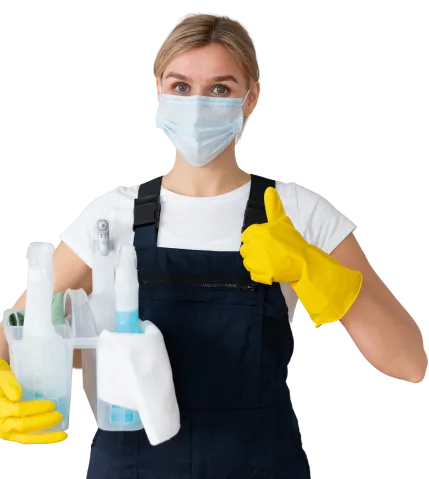
Vacuuming cleaning is one of the simplest ways to keep floors, carpets, rugs, furniture, and other areas of your home free from everyday dirt and debris.
But effective vacuuming involves more than quickly running a vacuum across the middle of a room.
Dust, pet hair, crumbs, pollen, lint, and outdoor dirt can collect along baseboards, underneath furniture, inside carpet fibers, and in areas that are easy to overlook.
Using the right vacuuming cleaning techniques can help you clean more thoroughly while making the rest of your house-cleaning routine easier.
What Is Vacuuming Cleaning?
Vacuuming cleaning refers to using a vacuum cleaner to remove loose dust, dirt, hair, crumbs, lint, and other debris from floors and compatible household surfaces.
Depending on the vacuum cleaner and attachments you use, vacuuming can help clean:
- Carpets
- Area rugs
- Hardwood floors
- Tile floors
- Vinyl flooring
- Stairs
- Upholstered furniture
- Mattresses
- Baseboard edges
- Corners
- Areas underneath furniture
Vacuuming is usually one part of a larger cleaning routine that also includes dusting, wiping surfaces, cleaning kitchens and bathrooms, and mopping hard floors.
Why Regular Vacuuming Cleaning Matters
Floors naturally collect debris throughout the day.
Shoes bring dirt indoors. Pets shed hair. Food leaves crumbs. Open windows and doors allow pollen and dust to enter.
Even homes that look relatively clean may have debris collecting in carpet fibers and less-visible areas.
Regular vacuuming cleaning helps prevent that material from continuing to accumulate.
It can also make deeper cleaning easier because you're removing loose debris before tackling stains, grime, or other buildup.
How Often Should You Vacuum Your Home?
There isn't one vacuuming schedule that's right for every household.
How frequently you should vacuum depends on factors such as:
- Number of people in the household
- Whether you have pets
- Flooring type
- Foot traffic
- Children in the home
- How often rooms are used
- Whether shoes are worn indoors
High-traffic areas such as living rooms, hallways, entryways, and kitchens may need vacuuming several times per week.
Bedrooms and lower-traffic rooms may only need attention weekly or as needed.
Homes with shedding pets may need more frequent vacuuming, particularly around furniture and areas where pets spend the most time.
How to Vacuum Clean Properly
Good vacuuming technique can make a significant difference in how much dirt you actually remove.
1. Pick Up Clutter First
Before you start vacuuming, remove objects from the floor.
Pick up:
- Shoes
- Toys
- Clothing
- Cords
- Papers
- Coins
- Large pieces of debris
Clearing the floor gives you more space to work and helps prevent objects from being pulled into the vacuum.
2. Dust Before You Vacuum
When you're cleaning an entire room, dust elevated surfaces first.
Dusting shelves, tables, blinds, furniture, and fixtures can cause particles to fall onto the floor.
Vacuum afterward so you can collect the fallen dust rather than having to clean the floor twice.
3. Use the Correct Vacuum Setting
Carpet and hardwood floors may require different vacuum settings.
Some machines allow you to adjust:
- Brush roll
- Suction
- Floor height
- Cleaning mode
Use the setting recommended for the surface you're cleaning.
The wrong setting can reduce cleaning effectiveness and, in some cases, may damage delicate flooring.
4. Vacuum Slowly
Moving too quickly is one of the most common vacuuming mistakes.
Slow, controlled passes give the machine more opportunity to collect dirt, crumbs, hair, and other debris.
This is especially important on carpet, where particles can settle between fibers.
5. Use Overlapping Passes
Avoid leaving large gaps between vacuuming passes.
Slightly overlapping each pass can help provide more consistent coverage.
For heavily used carpet, vacuuming in more than one direction can help address debris sitting between the fibers.
6. Pay Attention to Corners and Edges
Dust often accumulates around the edges of rooms.
Use a crevice tool or appropriate attachment around:
- Baseboards
- Corners
- Doorways
- Furniture
- Floor edges
- Tight spaces
These areas may remain dirty even after the center of the room looks clean.
Vacuuming Cleaning for Carpet
Carpet can hold dirt below the visible surface, making careful vacuuming especially important.
Before vacuuming, remove loose objects and select the appropriate carpet setting.
Work slowly across the room using overlapping passes.
Spend additional time on high-traffic areas such as:
- Hallways
- Entryways
- Living rooms
- Areas around sofas
- Around beds
- Dining areas
If the carpet has a stain, remember that vacuuming and stain removal are different tasks.
Vacuum loose debris first before treating the stain with a product appropriate for the carpet material and type of stain.
Vacuuming Cleaning for Hardwood Floors
Hardwood flooring requires a different approach from carpet.
Use a vacuum or attachment intended for hard flooring and follow the flooring manufacturer's care instructions.
Pay special attention to:
- Floorboard seams
- Corners
- Entryways
- Along baseboards
- Under furniture
- Around tables and chairs
Depending on the vacuum, a rotating brush roll may need to be turned off to avoid scratching certain floors.
Vacuuming Tile and Vinyl Floors
Vacuuming can be useful before mopping tile or vinyl floors.
Removing loose dirt first prevents the mop from simply pushing hair, crumbs, and debris around the room.
Vacuum around edges and corners, then follow with an appropriate floor-cleaning method.
This simple vacuum first, mop second approach can make hard-floor cleaning more effective.
Vacuuming Area Rugs
Area rugs can collect substantial amounts of dust and dirt.
Before vacuuming, check the rug's care instructions.
Some delicate, handmade, high-pile, or fringed rugs may require special cleaning methods.
For compatible rugs:
- Use an appropriate suction level
- Vacuum slowly
- Avoid pulling fringe into the machine
- Clean around the edges
- Vacuum underneath the rug periodically when practical
Never assume that the strongest vacuum setting is appropriate for every rug.
Vacuuming Furniture and Upholstery
Vacuuming cleaning isn't limited to floors.
Sofas, chairs, and other upholstered furniture can accumulate:
- Crumbs
- Dust
- Pet hair
- Lint
- Loose debris
Use an upholstery attachment when appropriate.
Vacuum areas such as:
- Seat cushions
- Cushion seams
- Beneath removable cushions
- Sofa backs
- Armrests
- Furniture crevices
Check furniture care instructions before vacuuming delicate upholstery.
Vacuuming Cleaning for Homes With Pets
Pets can increase the amount of hair and dander that accumulates throughout a home.
Focus additional vacuuming attention on:
- Carpets
- Rugs
- Sofas
- Pet beds
- Stairs
- Areas around furniture
- Places where pets regularly sleep
You may also need to inspect your vacuum's brush roll more frequently.
Pet hair can wrap around rotating brushes and reduce the machine's effectiveness over time.
Vacuuming Stairs Safely
Stairs can accumulate a surprising amount of dirt because they receive frequent foot traffic.
Use a handheld vacuum or hose attachment when possible.
Clean:
- Stair treads
- Corners
- Edges
- Areas along the wall
- Risers when necessary
Avoid balancing a heavy vacuum in an unstable position while cleaning stairs.
Safety is more important than reaching every spot in a single pass.
Should You Vacuum Under Furniture?
Yes, when the area can be reached safely.
Dust, pet hair, crumbs, and other debris can accumulate beneath:
- Beds
- Sofas
- Dressers
- Tables
- Chairs
- Cabinets
You don't need to move every heavy piece of furniture every time you clean.
However, periodically including accessible spaces beneath furniture in your vacuuming cleaning routine can help prevent significant buildup.
How to Keep Your Vacuum Cleaner Working Properly
Good vacuum cleaning also requires maintaining the machine itself.
Empty the Dust Bin or Replace the Bag
Don't wait until the container is completely packed.
Follow your vacuum manufacturer's recommendations for emptying the dust bin or replacing disposable bags.
Clean or Replace Filters
Filters can affect vacuum performance.
Some filters can be washed, while others need to be replaced.
Follow the manufacturer's instructions rather than assuming every filter can be rinsed with water.
Check the Brush Roll
Hair, string, and fibers can become wrapped around the brush roll.
Inspect it periodically and remove buildup according to the machine's maintenance instructions.
Check the Hose and Attachments
Reduced suction can sometimes result from a blocked hose or attachment.
Inspect accessible areas if you notice a change in performance.
Common Vacuuming Cleaning Mistakes
Even frequent vacuuming can be less effective when certain mistakes become habits.
Avoid:
- Vacuuming too quickly
- Waiting until floors visibly look dirty
- Ignoring corners and edges
- Using the wrong floor setting
- Allowing the dust bin to overfill
- Ignoring vacuum filters
- Forgetting areas underneath furniture
- Vacuuming large objects that should be picked up first
- Using inappropriate attachments on delicate surfaces
Improving these small habits can make routine vacuuming considerably more effective.
Vacuuming Cleaning vs. Deep Cleaning
Vacuuming helps remove loose debris, but it doesn't replace complete house cleaning.
A more thorough cleaning routine may also include:
- Dusting
- Mopping
- Bathroom cleaning
- Kitchen cleaning
- Surface wiping
- Trash removal
- Baseboard cleaning
- Appliance cleaning
- Removing buildup from overlooked areas
Think of vacuuming cleaning as one part of maintaining the entire home.
Frequently Asked Questions About Vacuuming Cleaning
What does vacuuming cleaning mean?
Vacuuming cleaning means using a vacuum cleaner to remove loose dirt, dust, hair, crumbs, lint, and other debris from floors and compatible surfaces.
How often should I vacuum?
High-traffic areas may need vacuuming several times per week, while lower-traffic rooms may only need weekly attention.
Homes with pets may require more frequent vacuuming.
Is vacuuming enough to clean a house?
No. Vacuuming primarily removes loose debris.
Complete house cleaning can also involve dusting, wiping surfaces, cleaning kitchens and bathrooms, mopping floors, and addressing accumulated grime.
Should I vacuum or dust first?
When cleaning an entire room, dust first and vacuum afterward.
Particles that fall onto the floor while dusting can then be collected during vacuuming.
Should I vacuum before mopping?
Yes, in most cases.
Vacuuming or otherwise removing loose debris before mopping helps prevent hair, crumbs, and dirt from being pushed around by the mop.
How do I vacuum carpet properly?
Use the correct carpet setting and work slowly using overlapping passes.
Give additional attention to entrances, hallways, living rooms, and other high-traffic areas.
Can I vacuum hardwood floors?
Yes, provided the vacuum and attachment are suitable for your flooring.
Follow your flooring and vacuum manufacturers' recommendations to reduce the risk of scratching or damage.
How often should I vacuum if I have pets?
Areas where pets spend substantial time may need vacuuming several times per week or whenever visible fur begins accumulating.
When Vacuuming Cleaning Isn't Enough
Vacuuming can dramatically improve the appearance of your floors, but keeping the entire home clean requires more than running a vacuum.
Bathrooms need scrubbing.
Kitchen surfaces need wiping.
Hard floors need mopping.
Furniture, baseboards, fixtures, and other surfaces collect dust and buildup too.
When you'd rather spend your time doing something else, The CoBuilders can help.
The CoBuilders connects households with vetted professional cleaners for standard house cleaning, deep cleaning, move-in/move-out cleaning, and recurring cleaning.
Book professional house cleaning with The CoBuilders and take more cleaning off your to-do list.
Featured Posts
Cleaning Near Me: How to Find the Right Local Cleaning Service

Move Out Cleaning Service: What to Expect Before You Book

Professional Home Cleaners in Baltimore, MD
Do I Get a Discount for Recurring House Cleaning in San Antonio?
House Cleaners for Moving: Why You Need Professional Help Before and After Your Move

Cleaning Apartment When Moving Out: A Comprehensive Guide
Clean Maid Services: Professional Care for Your Home
Best House Cleaning Services in USA
House Service Cleaning: The Key to a Spotless and Stress-Free Home
Walk-In Cooler Cleaning Service: Why Regular Maintenance is Essential
"Your satisfaction is our top priority. We don't just clean spaces; we create environments where you can thrive."
Bukola Michael Nelson
Founder & CEO, The CoBuilders