
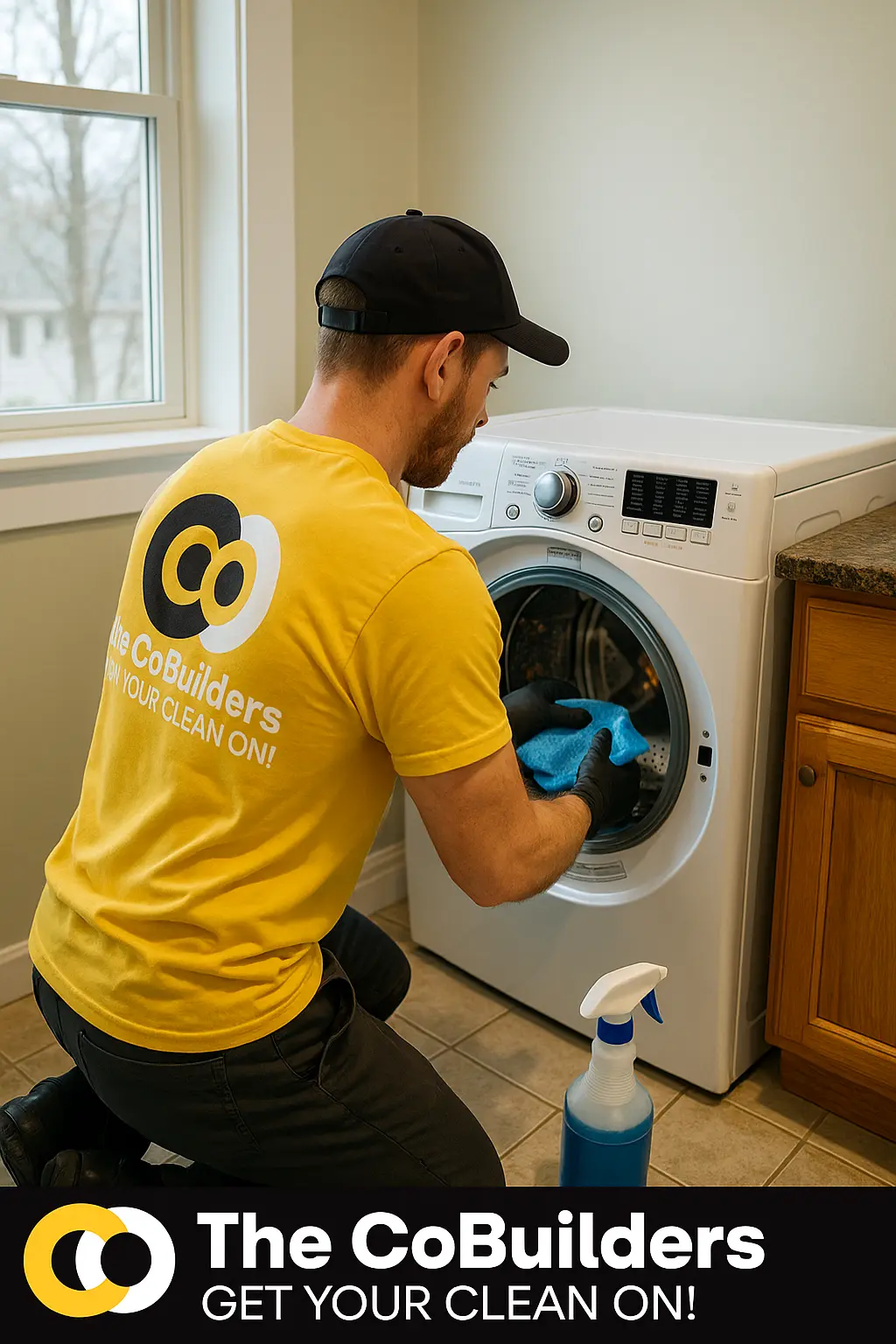
If you're searching for “laundry machine clean,” chances are your washing machine needs a little attention of its own.
A washing machine handles dirty clothes, towels, bedding, pet hair, detergent, fabric softener, and everyday grime. Over time, some of that residue can remain inside the drum, detergent dispenser, gasket, filter, and other parts of the machine.
Regular laundry machine cleaning can help remove buildup, reduce unpleasant odors, and keep your washer fresher between loads.
Whether you have a front-load or top-load machine, here's how to clean your washing machine safely and maintain it over time.
Why Does a Laundry Machine Need Cleaning?
It may seem strange that an appliance filled with soap and water still needs cleaning.
But washing your clothes does not necessarily clean every part of the machine.
Residue can accumulate from:
- Laundry detergent
- Fabric softener
- Dirt from clothing
- Hair
- Pet fur
- Lint
- Moisture
- Everyday debris
These materials can collect in areas that do not completely rinse or dry after every wash.
That is why keeping your laundry machine clean should be part of your regular home-maintenance routine.
Signs Your Laundry Machine Needs Cleaning
You do not have to wait until your washing machine becomes visibly dirty.
Common signs that it may be time for a cleaning include:
- Musty or stale odors
- Visible detergent residue
- Dirty detergent dispensers
- Debris around the washer gasket
- Buildup inside the drum
- Unpleasant smells when the washer is empty
- Clothes that do not smell as fresh as expected
- Lint or grime around the door or lid
If you notice one or more of these problems, a thorough washer cleaning may help.
How Often Should You Clean a Laundry Machine?
For many households, cleaning the washing machine about once a month is a reasonable
starting point.
However, cleaning frequency depends on:
- How often you do laundry
- The type of washing machine
- The amount of detergent you use
- Whether you use fabric softener
- Whether moisture remains inside the washer
- The manufacturer's maintenance recommendations
A machine running several loads every day may require more frequent attention than one used
only a few times per week.
What Do You Need to Clean a Laundry Machine?
Before starting, gather a few basic cleaning supplies.
Depending on your washing machine manufacturer's instructions, you may need:
- Microfiber cloths
- Warm water
- Mild dish soap
- A soft cleaning brush
- An old toothbrush
- Cleaning gloves
- Manufacturer-approved washing machine cleaner
Some cleaning guides recommend vinegar, baking soda, or bleach.
However, not every cleaner is appropriate for every washing machine.
Check your owner's manual before adding any cleaning product to the washer.
How to Clean a Front-Load Laundry Machine
Front-load washers require particular attention around the rubber door gasket because moisture
and debris can collect inside its folds.
1. Empty the Washing Machine
Remove all clothing, towels, and other items.
The washer should generally be empty before you begin a cleaning cycle unless the manufacturer states otherwise.
2. Clean the Rubber Gasket
Open the washer door and carefully inspect the rubber gasket.
Look inside the folds for:
- Hair
- Lint
- Dirt
- Detergent residue
- Small objects
- Moisture
Remove loose debris and wipe the gasket with a microfiber cloth using a cleaning method approved for your washer.
A soft toothbrush may help reach smaller areas.
3. Clean the Detergent Dispenser
Detergent and fabric softener can leave sticky residue inside dispenser compartments.
Remove the dispenser if your washer allows it.
Rinse removable components according to the manufacturer's instructions and use a soft brush to loosen buildup.
Wipe the dispenser compartment before reinstalling the drawer.
4. Run the Washer Cleaning Cycle
Many modern washing machines include a cycle labeled:
- Clean Washer
- Drum Clean
- Tub Clean
- Self Clean
Follow the manufacturer's instructions for your specific machine.
Use only the recommended cleaning product and quantity.
5. Wipe the Drum and Door
Once the cleaning cycle finishes, inspect the inside of the machine.
Wipe the drum, door, and gasket with a clean microfiber cloth to remove loosened residue and excess moisture.
6. Allow the Washer to Dry
When appropriate and recommended by the manufacturer, allow airflow into the washer after use.
Leaving the door slightly open can help moisture evaporate between loads.
Consider household safety if children or pets can access the appliance.
How to Clean a Top-Load Laundry Machine
Top-loading washing machines do not usually have the large rubber gasket found on front-load machines, but they still need regular cleaning.
1. Empty the Washer
Make sure the drum is completely empty.
Check for clothing or small objects that may have been left behind.
2. Inspect the Interior
Look closely at:
- The drum
- Agitator
- Impeller
- Upper rim
- Lid
- Detergent dispenser
- Fabric-softener dispenser
Remove visible lint, hair, or other debris.
3. Clean the Dispensers
If your washer has removable dispensers, clean them according to the owner's manual.
Warm water and a soft brush can help loosen detergent and fabric-softener residue.
4. Run the Clean Washer Cycle
Choose the machine's designated cleaning cycle.
Follow manufacturer directions regarding cleaning products, water temperature, and cycle settings.
If the washer does not have a dedicated cleaning cycle, consult the manual for the recommended alternative.
5. Wipe Down the Interior
Once the cycle finishes, wipe the drum, lid, agitator or impeller, dispensers, and other accessible surfaces.
Allow the interior to dry.
How to Keep a Laundry Machine Clean Between Deep Cleans
A few small habits can help reduce buildup between cleaning cycles.
Remove Wet Clothes Promptly
Do not leave damp laundry sitting inside the washer longer than necessary.
Removing clothes when the cycle ends reduces the amount of moisture remaining in the machine.
Use the Correct Amount of Detergent
More detergent does not automatically mean cleaner clothes.
Using too much can leave additional residue inside the washing machine.
Follow the detergent and washer manufacturer's recommendations.
Wipe the Gasket
If you have a front-load washer, periodically inspect and wipe the rubber gasket.
Pay particular attention to areas where water tends to collect.
Clean the Dispenser Regularly
Do not wait until detergent buildup becomes obvious.
Checking the dispenser periodically makes it easier to remove residue before it becomes difficult to clean.
Allow Appropriate Airflow
If your washing machine manufacturer recommends it, leaving the washer door or lid partially open between loads can help the interior dry.
How to Clean a Laundry Machine That Smells
Odor is one of the most common reasons people begin researching how to keep a laundry machine clean.
If your washer smells musty, do not simply add more fragrance.
Look for the source.
Check:
- Rubber gasket
- Detergent dispenser
- Fabric-softener compartment
- Washer drum
- Door or lid
- Accessible filters
- Areas where moisture collects
Clean these areas and run the manufacturer's recommended washer-cleaning cycle.
If the odor continues after a thorough cleaning, consult the owner's manual for drain or filter maintenance.
Persistent odors may sometimes indicate an appliance-maintenance issue rather than a surface-cleaning problem.
How to Clean a Laundry Machine Gasket
The gasket on a front-loading washer deserves regular attention.
With the washing machine empty, carefully pull back accessible folds of the gasket.
Remove hair, lint, and loose debris.
Then wipe the gasket using an appropriate cleaner and microfiber cloth.
Pay attention to areas where water remains after a wash cycle.
When finished, wipe away excess moisture.
How to Clean the Washing Machine Filter
Some washing machines have an owner-accessible filter.
The filter can collect:
- Lint
- Hair
- Small debris
- Coins or other forgotten objects
Before removing anything, check your washer's manual.
Depending on the machine, you may need to:
- Turn off the washer
- Locate the filter
- Prepare for residual water
- Remove the filter carefully
- Clear accumulated debris
- Clean the filter
- Reinstall it correctly
Do not disassemble parts of the machine that are not intended for routine owner maintenance.
How to Clean the Outside of Your Laundry Machine
Once the inside is clean, give the exterior some attention.
Wipe:
- The top
- Front
- Sides
- Door or lid
- Handle
- Knobs
- Buttons
- Control panel
Use a soft microfiber cloth and a cleaner appropriate for the appliance finish.
Avoid spraying excessive liquid directly onto electrical controls.
Should You Use Vinegar to Clean a Laundry Machine?
Vinegar is commonly recommended in DIY washing-machine cleaning instructions.
But whether you should use it depends on your washer.
Some manufacturers may caution against repeated use of acidic cleaners on certain components.
Before using vinegar, check your washing machine's care instructions.
If the manufacturer recommends a dedicated washing-machine cleaner, following that recommendation is generally the safer approach.
Can You Use Baking Soda to Clean a Laundry Machine?
Baking soda is another popular household cleaning ingredient.
However, appliance designs and materials vary.
Do not assume that a cleaning method recommended for one washing machine is automatically appropriate for another.
Check your owner's manual before using baking soda or another DIY cleaning solution.
Can You Use Bleach to Clean a Washing Machine?
Some washer manufacturers provide cleaning instructions that involve bleach.
If your machine allows it, use only the recommended amount and follow the specified procedure.
Never mix bleach with vinegar, ammonia, or other household cleaning chemicals.
Combining certain cleaning products can release dangerous fumes.
Common Laundry Machine Cleaning Mistakes
Cleaning your washing machine is relatively straightforward, but several mistakes can create
unnecessary problems.
Avoid:
- Using too much detergent
- Mixing cleaning chemicals
- Ignoring the rubber gasket
- Forgetting the detergent dispenser
- Leaving wet laundry inside for long periods
- Using unapproved cleaning products
- Ignoring filters when maintenance is required
- Assuming the washer cleans itself
- Closing a wet machine without allowing appropriate drying when the manufacturer recommends airflow
Regular maintenance is usually easier than tackling months of accumulated residue.
Laundry Machine Clean vs. Clean Washer Cycle
A Clean Washer cycle is useful, but it may not address every part of the machine.
The cleaning cycle primarily helps address the washer's internal areas.
You may still need to manually clean:
- Door gasket
- Detergent drawer
- Fabric-softener dispenser
- Lid or door
- Exterior surfaces
- Accessible filters
For the best results, combine the washer's cleaning cycle with regular manual maintenance.
Frequently Asked Questions About Laundry Machine Cleaning
What is the best way to get a laundry machine clean?
Start by checking your manufacturer's instructions.
Generally, you should remove visible debris, clean the detergent dispenser and gasket, address accessible filters when required, and run the machine's designated cleaning cycle.
How often should I clean my laundry machine?
For many households, monthly cleaning is a useful routine.
Your actual schedule should depend on machine usage and manufacturer recommendations.
Why does my washing machine smell?
Moisture, detergent residue, fabric softener, lint, hair, and other debris can contribute to washing-machine odors.
Check the gasket, dispensers, drum, and accessible filters.
How do I clean a smelly laundry machine?
Clean visible buildup, wipe the gasket, clean the detergent dispenser, and run the manufacturer's recommended washer-cleaning cycle.
If odors remain, check your owner's manual for filter and drain maintenance.
Do I need to clean my washing machine if it looks clean?
Yes.
Residue can accumulate in areas you cannot easily see, such as detergent compartments, gasket folds, and internal components.
Routine maintenance can help address buildup before it becomes obvious.
Does the Clean Washer cycle need laundry detergent?
Do not automatically add regular laundry detergent.
Follow your washer manufacturer's instructions regarding whether a washing-machine cleaner or another approved product should be used.
Can I clean both front-load and top-load washing machines the same way?
Not completely.
Front-load machines typically require additional attention around the rubber door gasket.
Top-load machines may require cleaning around the agitator, impeller, lid, rim, and dispensers.
Follow the instructions for your specific appliance.
A Clean Laundry Machine Is Part of a Cleaner Home
Keeping your laundry machine clean is a small household task that can make your laundry routine easier.
But the washer is only one part of the home.
Floors need vacuuming and mopping.
Bathrooms need scrubbing.
Kitchen surfaces need wiping.
Dust continues to settle on furniture, fixtures, and other surfaces.
When you'd rather spend your time doing something else, The CoBuilders can help.
The CoBuilders connects households with vetted cleaning professionals for standard house cleaning, deep cleaning, move-in/move-out cleaning, and recurring cleaning.
Book professional house cleaning with The CoBuilders and take more cleaning off your to-do list.
Featured Posts

7.02 min read
Commercial Cleaning Companies: How to Choose the Right Cleaning Partner for Your Business

6.71 min read
Cleaning House Service Near Me: How to Find Trusted Local Pros for a Sparkling Home

6.84 min read
Homeaglow Reviews: What Customers Are Really Saying About Home Cleaning Services
3.98 min read
$19 House Cleaning: What’s Real, What’s Hype, and What You Should Know
4.24 min read
Cleaning Sponge 101: Types, Best Uses, and When to Replace Them
4.17 min read
Cleaning Authority Reviews: What They Say — and What You Should Know Before Booking

5.14 min read
House Cleaning Jobs with Homeaglow vs. The CoBuilders – Which One Respects and Rewards Cleaners More?

4.14 min read
Homeaglow Cost & Pricing vs. The CoBuilders: A Transparent Look at What You’re Paying For
5.58 min read
Is Homeaglow’s $19 House Cleaning Deal Legit or a Hidden Subscription Trap?
5.92 min read
Top House Cleaning Companies Near Me: Finding the Best Cleaning Service in the U.S.