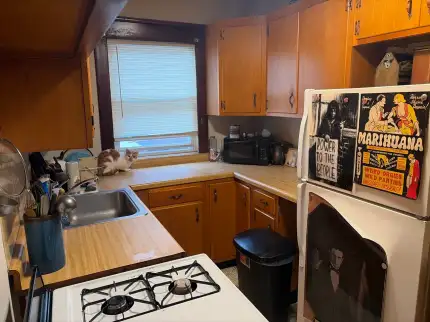

A bubbling casserole spills over. Sauce sticks to the bottom of a saucepan. Dinner leaves behind a stubborn brown patch on the stove.
Burnt-on food happens, but removing it does not have to mean endless scrubbing. Start by loosening the residue, then use a cleaning method suited to the surface. Stainless steel pans, nonstick cookware, glass cooktops, and oven interiors need different care.
Here’s how to tackle the mess after your next cooking mishap.
What You’ll Need
Gather:
- Mild dish soap
- Warm water
- Baking soda
- Soft cleaning cloths
- A non-scratch sponge
- A wooden or silicone utensil
- A cleaner approved for your cookware or appliance, if needed
Turn off the appliance and let surfaces cool before routine cleaning. Check the care instructions before using a scraper, soaking removable parts, or applying oven cleaner.
How to Remove Burnt-On Food from Stainless Steel Pans
For uncoated stainless steel, start by softening the food.
- Let the pan cool. Remove loose food with a wooden or silicone utensil.
- Add warm, soapy water. Let the residue soften, then try a non-scratch sponge.
- Treat stubborn buildup with baking soda and water. Empty the soapy water, add fresh water to cover the residue, and sprinkle in baking soda.
- Bring to a gentle simmer. Watch the pan and do not let it boil dry.
- Loosen softened food carefully. Turn off the heat and allow the pan to cool.
- Wash, rinse, and dry.
All-Clad recommends water and baking soda for stubborn burnt food on stainless steel cookware. A cookware-approved cleanser can help with marks that remain.
Avoid crumpled aluminum foil or steel wool as scrubbers. A non-scratch tool is a better starting point for protecting the finish.
How to Clean a Burnt Nonstick Pan
Nonstick coatings need a gentler approach.
Let the pan cool, then soak it briefly in warm water with mild dish soap. Wipe softened food with a soft sponge and repeat if needed.
Avoid metal utensils, abrasive powders, and aggressive scraping. For persistent residue, use only a treatment recommended by the cookware manufacturer.
A dishwasher tablet is not a universal solution for burnt pans. Its concentrated detergent may be unsuitable for certain coatings or exposed metals. Do not assume a method works on nonstick simply because it works on stainless steel.
If the coating is peeling or flaking, consult the manufacturer rather than scrubbing the damaged area.
How to Remove Burnt Food from a Glass Cooktop
Glass and induction cooktops can collect hardened splatters around cooking zones.
For routine buildup:
- Turn off the cooktop and let it cool.
- Wipe away loose crumbs.
- Apply a cleaner approved for your specific cooktop.
- Work gently with the recommended non-scratch pad or cloth.
- Remove cleaner residue and buff dry.
Use a cooktop scraper only if your model’s instructions permit it. Some glass surfaces allow one, while specialty finishes may not. Whirlpool, for example, advises against scrapers on its WipeClean glass cooktops.
Sugary spills and melted plastic can require prompt, model-specific removal to prevent damage. Follow the appliance manual rather than treating them like ordinary dried food.
How to Clean Burnt-On Food from a Gas Stovetop
Once the stove is off and cool, remove the grates and any burner caps designed to lift off.
Wash or soak those parts only as permitted by the manufacturer. Use mild dish soap and a non-scratch brush to loosen food, then rinse and dry thoroughly.
For the stovetop itself, soften splatters with a warm, damp cloth and use a surface-compatible cleaner. Keep liquid out of ignition components and burner openings.
Return every removable part to its correct position before cooking again.
How to Clean an Electric Coil Stovetop
Separate the removable drip bowls from the electrical components.
Clean the drip bowls according to their finish and care instructions. Detach coils only if the manual explains how to do so.
Do not soak or immerse electric heating coils. Whirlpool specifically warns against putting coil elements in water. Clean around connections carefully and reinstall parts only when dry.
How to Remove Burnt-On Food from an Oven
Begin with a cool oven. Remove cookware and racks as directed, then wipe out loose crumbs and food debris.
Start With Mild Cleaning
Try warm water, dish soap, and a soft cloth on surfaces where the manual permits them. Hold the damp cloth against a stubborn spot to soften it before wiping.
Bosch recommends soap, warm water, and a damp cloth for oven cleaning, illustrating why the appliance’s own instructions are a useful starting point.
Treat Remaining Spots
If your manual permits baking soda paste, mix baking soda with enough water to make it spreadable. Apply it only to the approved areas, allow the recommended treatment time, and wipe it away thoroughly.
Keep cleaners away from heating elements, fans, vents, and door gaskets. GE permits baking soda paste for certain oven-door cleaning tasks but cautions against getting cleaner on the gasket.
Use commercial oven cleaner only when both the appliance instructions and product label allow it.
Follow the Correct Cleaning-Cycle Instructions
Self-cleaning and steam-cleaning cycles have different requirements. Check whether racks must be removed and clear loose food or heavy spills before starting.
Do not combine cleaning chemicals with a self-cleaning cycle. Remove cleaning residue as directed before using the oven again.
Why Baking Soda and Vinegar Are Not Always Better Together
The fizz looks active, but mixing baking soda and vinegar neutralizes much of their acidity and alkalinity.
Choose a treatment for the residue you are removing. Baking soda can help loosen certain food deposits, while an appropriate detergent helps remove grease. Adding more ingredients does not automatically improve the result.
Never mix oven cleaner with vinegar, bleach, or other cleaning products.
How to Prevent Heavy Buildup
A few habits can reduce the next cleanup:
- Wipe spills after the surface has cooled.
- Clean grease from pan exteriors before reheating them.
- Use baking dishes large enough for bubbling food.
- Place a suitable tray beneath a dish when the oven instructions allow it.
- Avoid lining the oven floor with foil unless expressly permitted.
- Address light residue before repeated cooking hardens it.
When Burnt Marks Need More Than Cleaning
If a mark stops improving, it may be discoloration, scratching, or surface damage.
Avoid increasing pressure indefinitely. Check with the manufacturer if you notice peeling coatings, damaged oven liners, cracked glass, or warped cookware.
Get Help Keeping Your Kitchen Clean
Cooking is more enjoyable when yesterday’s mess is already handled. Regular attention to the stove, counters, floors, and surrounding surfaces helps keep kitchen cleaning manageable.
Explore house cleaning services with The CoBuilders and review the cleaning options for your home. Include oven-interior cleaning or heavy buildup among your priorities so the required scope can be confirmed before your visit.
Featured Posts
How to Clean a Microwave | The CoBuilders

How to Clean a Laptop Screen Without Leaving Streaks
How to Clean Your Home: Practical Tips | The CoBuilders
How to Clean Stainless Steel Pans: Burnt Food, Grease, and Discoloration

Cleaning Service House Cleaner in Albuquerque, NM: Fresh Homes in the High Desert

How to Keep Your House Clean With a Busy Schedule: 10 Easy Tips

Cleaning Stains: How to Tackle Common Household Spills and Marks
How to Remove Acrylic Paint from Clothes: Wet and Dried Stains

Affordable Cleaning Services Near Me: Find the Right Clean for Your Budget

10 Overlooked Places in Your Home that Professional House Cleaners Never Miss
"Your satisfaction is our top priority. We don't just clean spaces; we create environments where you can thrive."
Bukola Michael Nelson
Founder & CEO, The CoBuilders