
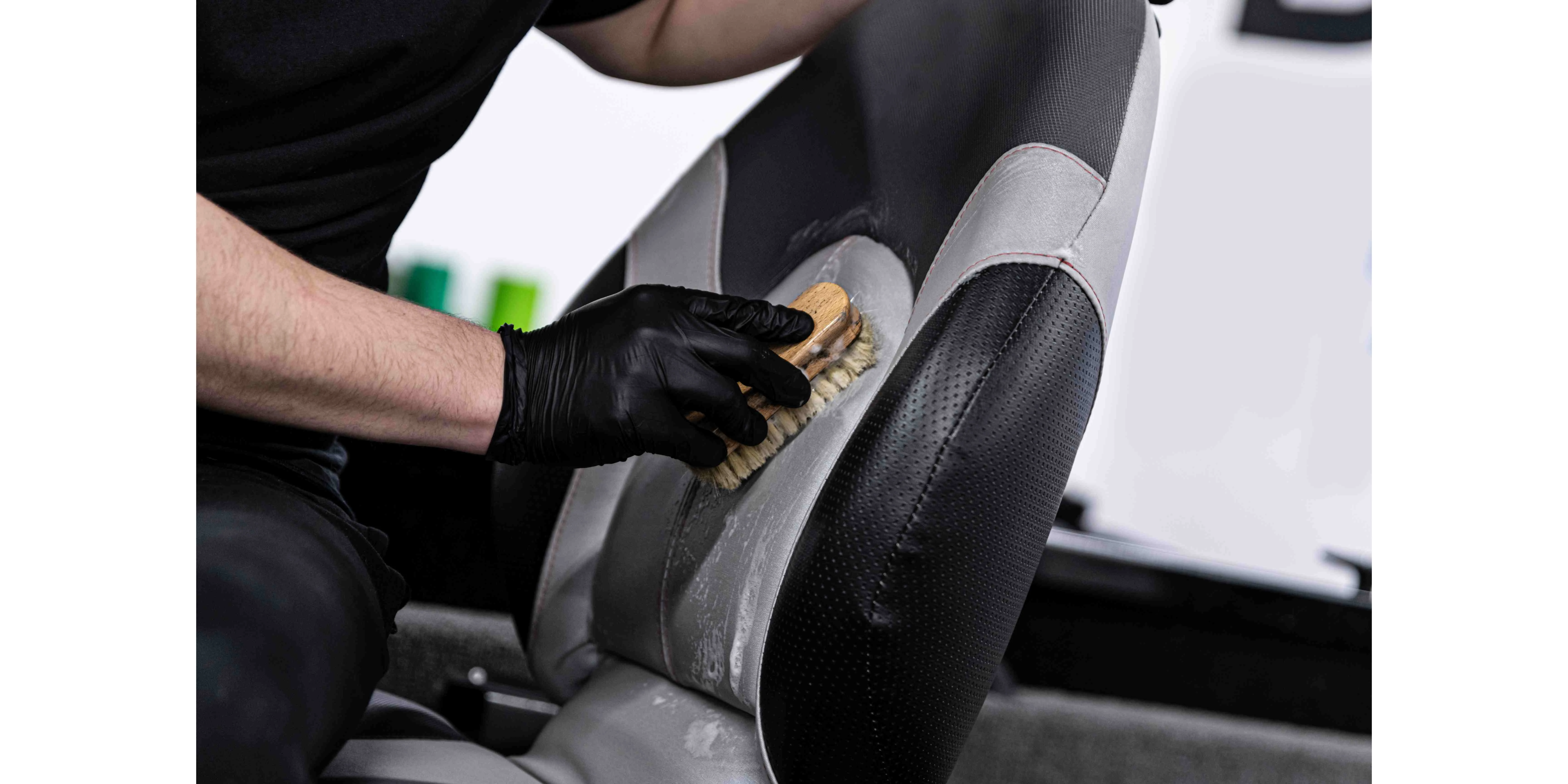
How to Clean Urine From a Leather Couch Without Damaging It
To clean urine from a leather couch, first blot up as much urine as possible without rubbing or soaking the leather. Then identify the leather type, test a manufacturer-approved leather cleaner in an inconspicuous area, gently clean the affected surface, and let it air-dry naturally. If urine has soaked into the seams, foam, or cushion filling, surface cleaning may not remove the odor, and you may need professional upholstery or leather-cleaning treatment.
Urine from a pet, child, or adult can leave a visible mark, an unpleasant smell, and moisture beneath the surface. If you need to know how to clean urine from a leather couch, acting quickly gives you the best chance of preventing permanent odor or discoloration.
The most important rule is simple:
Do not scrub the stain or saturate the leather.
Too much moisture, harsh household cleaner, or aggressive rubbing can spread the urine and damage the finish.
What You Will Need
Gather these items before starting:
- Clean white microfiber cloths
- Paper towels
- A vacuum with a soft upholstery attachment
- A manufacturer-approved leather cleaner
- A leather conditioner suitable for your couch
- Clean lukewarm water
- Disposable gloves
- A fan for air circulation
Avoid using bleach, ammonia, hydrogen peroxide, alcohol, or strong all-purpose cleaners on leather.
Step 1: Blot the Urine Immediately
If the urine is still wet, place clean paper towels or a white cloth over the area and press gently.
Do not rub.
Rubbing can spread the liquid across the surface and push it into seams, stitching, or cushion filling.
Continue blotting with fresh towels until little moisture transfers to the cloth.
If the cushion is removable, check underneath it for moisture.
Step 2: Identify the Leather Type
Before applying any product, check the furniture care label or manufacturer’s instructions.
Common materials include:
- Protected or finished leather
- Aniline leather
- Nubuck
- Suede
- Faux leather or vinyl
Protected leather is usually more resistant to moisture. Aniline, nubuck, and suede are more absorbent and generally require professional care.
A product that is safe for one leather finish may damage another.
Step 3: Test the Cleaner First
Apply a small amount of leather cleaner to an inconspicuous area, such as the rear or underside of the couch.
Let it dry completely.
Check for:
- Color transfer
- Darkening
- Fading
- Stiffness
- Changes in texture
If the test area changes, stop and contact a leather-cleaning professional.
Step 4: Clean the Affected Area Gently
Apply the leather cleaner to a soft cloth rather than spraying it directly onto the couch. When learning how to clean leather couch urine, use gentle pressure and work from the outside of the affected area toward the center. Avoid scrubbing or spreading the urine to surrounding areas.
Clean the entire panel or cushion surface when practical. Cleaning only a small circle can sometimes leave a visible boundary or uneven finish.
Use a second lightly dampened cloth to remove cleaner residue only when the product instructions recommend it.
Never soak the leather.
Step 5: Dry the Area Naturally
Pat the area with a dry cloth and allow it to air-dry.
You can improve airflow with a fan positioned several feet away.
Do not use:
- A hair dryer
- A space heater
- Steam
- Direct sunlight
High heat can dry, shrink, fade, or crack leather.
Step 6: How to Get Urine Smell Out of a Leather Couch
After the surface dries, smell the area closely.
If the odor remains, urine may have reached:
- Stitching
- Seams
- The underside of the cushion
- Foam or padding
- The couch frame
Surface cleaning alone may not remove contamination trapped inside cushion materials. The IICRC notes that heavily contaminated upholstery may require deodorizing the covers and, in some cases, replacing the affected cushion or pillow core.
At that point, professional upholstery cleaning is usually the safer option.
Step 7: Condition the Leather
After the couch is fully dry, apply a compatible leather conditioner according to the product directions.
Use a small amount on a clean cloth and spread it evenly.
Conditioning can help restore moisture and reduce the risk of dryness after cleaning. Always confirm that the conditioner is appropriate for your leather type.
Can You Use Vinegar on a Leather Couch?
Vinegar is often recommended online for urine odors, but it is not suitable for every leather finish.
Its acidity may affect dyes, protective coatings, or natural oils. For that reason, it should not be your first choice unless the couch manufacturer specifically approves it.
A leather-specific cleaner is safer.
Can You Put Baking Soda on Leather?
Baking soda can absorb odors from some fabrics, but it may leave residue, remove natural oils, or become trapped in seams.
Avoid applying it directly to leather unless the manufacturer recommends it.
For odors inside removable cushion filling, professional treatment is more reliable than coating the leather surface with powder.
Can You Use an Enzyme Cleaner on Leather?
Enzyme cleaners are useful for urine on many washable fabrics and carpets, but not every enzyme product is safe for leather.
Only use one clearly labeled as compatible with your specific type of leather. Test it in a hidden area first.
Do not saturate the couch.
How to Get Urine Out of a Leather Couch
Dried urine is more difficult to treat because it may have penetrated beneath the finish.
Start by inspecting the area for:
- Stiffness
- Darkened leather
- Cracking
- White residue
- Strong odor
- Damage around seams
Vacuum loose debris, test a leather cleaner, and clean the affected panel gently.
If the smell returns after drying, the urine has probably reached deeper materials. Repeatedly wetting the leather is unlikely to solve the problem and may make the damage worse.
What to Do When Urine Soaks Into the Cushion
A removable leather cushion may contain foam, batting, fabric backing, and wood components.
If urine reaches these materials, the odor can return even when the surface looks clean.
Possible professional treatment may include:
- Removing the leather cover
- Cleaning and deodorizing the cover
- Treating the cushion filling
- Replacing heavily contaminated foam
- Drying the materials thoroughly
- Reconditioning the leather
This is one of the clearest situations where professional help is worthwhile.
When to Call a Professional Cleaner
Consider professional upholstery cleaning when:
- The urine soaked through seams
- The odor returns after drying
- The stain is old
- The couch is aniline, nubuck, or suede
- The leather has changed color
- The cushion filling is contaminated
- Previous cleaning attempts made the stain worse
- The furniture is expensive or under warranty
How The CoBuilders Can Help
The CoBuilders connects customers with vetted professional cleaners across the United States.
Professional home cleaning can help refresh the surrounding room, address floors and nearby surfaces, and reduce the stress of restoring your home after an accident.
For specialized leather restoration or contamination inside cushion cores, ask whether the assigned professional has leather-upholstery experience before booking.
Frequently Asked Questions
What is the safest way to clean fresh urine from leather?
Blot the liquid immediately, identify the leather type, test a manufacturer-approved leather cleaner, and use as little moisture as possible.
Why does my leather couch still smell after cleaning?
Urine may have soaked into seams, foam, batting, or the couch frame. Surface cleaning will not fully remove odor from contaminated internal materials.
Will vinegar remove urine smell from leather?
Vinegar may affect some leather finishes and dyes. Use a leather-specific product unless the manufacturer explicitly approves vinegar.
Can urine permanently damage leather?
Yes. Urine can stain, dry, discolor, or stiffen leather, especially when it remains on the surface or penetrates unfinished material.
Should I steam-clean a leather couch?
No. Steam and excess heat may damage leather. Use products and methods approved for the furniture’s exact leather type.
Can professional cleaners remove urine from a leather couch?
Professionals may be able to clean and deodorize the leather. When urine has reached the cushion core, replacement of affected filling may be necessary.
How do you clean urine from a leather couch?
Blot fresh urine immediately with a clean cloth or paper towel without rubbing. Check the leather type, test a compatible leather cleaner in an inconspicuous area, and gently clean the affected surface. Avoid soaking the leather or using harsh household cleaners.
How do you get urine smell out of a leather couch?
To get urine smell out of a leather couch, clean the affected surface with a leather-safe cleaner and allow it to dry completely. If the odor remains, urine may have reached the seams, cushion foam, or other internal materials and may require professional cleaning.
Featured Posts
8.71 min read
Need a Recommendation for Apartment Deep Cleaning Service in Chicago?
8.97 min read
House Cleaning Services in Ventura, California
7.9 min read
House Cleaning Company Near Me: Why Austin, TX Homeowners Choose The CoBuilders

7.8 min read
Cleaning Service & House Cleaner Options in Portland, ME: Your Complete Guide
4.96 min read
Deep Cleaning of the House in San Jose, CA: When, Why & Who to Call
3.17 min read
How Do I Keep My House Clean with a Busy Schedule?

5.87 min read
What is the Difference Between Standard Cleaning and Deep Cleaning?
9.07 min read
A Complete Guide to Cleaning Mold with Vinegar in California Homes

6.41 min read
Top House Cleaning Companies Near Me: Finding the Best Cleaning Service in the U.S.

2.85 min read
Duct Cleaning Companies Near Me in Des Moines: Why The CoBuilders Stand Out