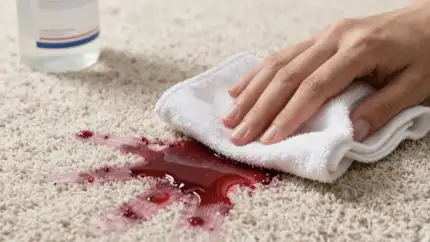

A spilled drink or muddy footprint does not have to become a permanent carpet stain. Acting promptly and using the right cleaning method can improve your chances of removing the mark without spreading it.
If you are wondering how to clean a carpet stain, start with one rule: lift away solids, blot liquids, and avoid scrubbing. Then choose a treatment that suits both the stain and your carpet.
This guide covers everyday spills, common mistakes, and when to call a carpet-cleaning professional.
Before You Start: Check Your Carpet’s Care Instructions
Carpets vary in fiber, backing, dyes, and stain-resistant treatments. A product that works on one carpet may damage another.
Check the manufacturer’s cleaning instructions before applying a stain remover. Wool, natural-fiber carpets, antique rugs, and specialty materials may need specific products or professional care.
Test any cleaning product in a hidden spot first. Let the test area dry and check for discoloration or texture changes before treating the visible stain.
What You Need to Clean a Carpet Stain
Gather a few basic supplies:
- Clean white cloths or plain white paper towels
- A spoon or blunt scraper
- A carpet spot cleaner approved for your carpet
- Water, if permitted by the carpet’s care instructions
- Gloves, if required by the cleaning product
White cloths help you see whether the stain is transferring and avoid introducing dye from a colored towel.
How to Clean a Carpet Stain Step by Step
1. Remove Solid Material
If the spill contains food, mud, or other solids, gently lift them with a spoon or blunt scraper.
Avoid pressing the material into the fibers or dragging it across the carpet.
2. Blot Up Liquid
Press a clean white cloth onto the spill to absorb moisture. Move to a fresh section of the cloth as it becomes wet.
Work from the outside edge toward the center to help contain the stain.
Do not scrub. Rubbing can spread the spill and distort carpet fibers.
3. Apply a Compatible Carpet Cleaner
Use a spot cleaner approved for your carpet and the type of stain.
Follow the product’s directions for application, amount, and treatment time. More product is not necessarily more effective and can leave residue that attracts dirt.
Do not mix cleaning products or layer different treatments over the same spot.
4. Blot and Repeat as Directed
Blot gently with a fresh white cloth. Check whether color or residue is transferring from the carpet.
Repeat only as the product instructions allow. Stop if the carpet’s color changes, the fibers become damaged, or the stain spreads.
5. Remove Cleaning Residue
Some products require rinsing; others do not. Follow the label.
If rinsing is required and your carpet permits water, use a lightly dampened cloth rather than pouring water onto the area. Blot away the moisture afterward.
6. Let the Carpet Dry Completely
Keep people and pets away from the treated area while it dries. Improve airflow where practical.
Avoid covering damp carpet with furniture or rugs. Once the area is completely dry, vacuum if recommended by the carpet manufacturer to restore the pile.
How to Remove Common Carpet Stains
The best treatment depends on what caused the mark. Identify the spill before choosing a product.
Coffee and Tea
Blot the spill promptly with a white cloth.
Use a carpet-approved spot cleaner labeled for the stain. Coffee with milk, cream, or syrup may leave additional residue, so mention those ingredients if you consult a professional.
Avoid using hot water as a universal treatment.
Juice and Wine
Absorb as much liquid as possible without rubbing.
Choose a carpet-compatible product labeled for beverage stains. Strongly colored drinks can be difficult to remove, especially after drying.
Avoid improvised bleach treatments, which may remove the carpet’s color along with the stain.
Food and Sauce
Lift away food with a spoon before blotting any remaining liquid.
Use a compatible cleaner intended for the type of spill. Tomato sauce, oily dressing, and chocolate may require different treatments.
Work carefully to avoid spreading grease or pigment into surrounding fibers.
Mud
For ordinary tracked-in mud, allow it to dry, then gently loosen and vacuum the dry soil.
Treat any remaining mark with a compatible carpet cleaner.
Floodwater, sewage, or potentially contaminated material requires a different response and should be assessed by a qualified specialist.
Grease and Oil
Blot excess oil without spreading it.
Use a product specifically approved for grease stains on your carpet. Avoid pouring solvents or household degreasers onto the area.
If the mark is large or persistent, professional treatment may be the better option.
Pet Urine
Blot fresh urine promptly, then use a carpet-compatible product labeled for pet urine. An enzyme-based cleaner may be suitable if approved for your carpet.
Follow the application and treatment time carefully. Surface cleaning may not resolve odor if urine has reached the backing, padding, or subfloor.
Persistent odor or repeated staining may require professional assessment.
How to Clean an Old Carpet Stain
Older stains can be harder to remove because the spill has dried, previous products may have left residue, or the carpet has changed color.
Start by identifying the cause if possible. Then:
- Check the carpet’s care instructions.
- Test an appropriate spot cleaner.
- Treat a small area according to the label.
- Blot gently and remove residue as directed.
- Let the carpet dry before deciding whether another treatment is needed.
Avoid repeatedly soaking the spot. If a careful treatment does not improve it, consult a professional rather than cycling through several household mixtures.
Some marks are permanent dye loss or fiber damage rather than removable stains.
Can You Use Vinegar or Baking Soda on Carpet?
Neither is a universal carpet stain remover.
Vinegar may be unsuitable for certain materials, and baking soda can leave powder in the carpet. Combining the two is not a dependable treatment for every type of stain.
Start with the carpet manufacturer’s recommended method and an approved cleaning product.
Never mix vinegar with bleach or combine cleaning products.
Why Does a Carpet Stain Come Back?
A stain may appear to disappear while the carpet is wet, then return as it dries.
Possible causes include:
- Residue remains deeper in the carpet.
- Moisture carries material back to the surface.
- Cleaning product residue attracts new dirt.
- The spill reached the backing or padding.
If a stain repeatedly returns, adding more water and cleaner may make the problem worse. A professional can assess whether deeper treatment is needed.
Carpet Stain Removal Mistakes to Avoid
Common mistakes include:
- Scrubbing aggressively
- Using a product without testing it
- Pouring water directly onto the stain
- Applying too much cleaner
- Mixing cleaning chemicals
- Using bleach without manufacturer approval
- Walking on the area before it dries
- Repeating treatments despite discoloration or damage
Gentle treatment and controlled moisture are better starting points than forceful scrubbing.
When Should You Call a Professional Carpet Cleaner?
Consider professional help when:
- The stain covers a large area.
- You cannot identify the spill.
- The carpet is wool, delicate, or valuable.
- Several treatments have already been attempted.
- Odor persists after cleaning.
- The stain keeps returning.
- Liquid has soaked into the padding.
- The spill involves contamination that ordinary spot cleaning cannot address.
Tell the professional what caused the stain and which products you have already used. That information helps them choose an appropriate treatment.
Does Regular House Cleaning Include Carpet Stain Removal?
Routine vacuuming and specialized carpet stain removal are different services.
Do not assume a standard or deep house cleaning includes carpet extraction, shampooing, or treatment of difficult stains. Confirm the scope before booking.
The CoBuilders connects customers with vetted professionals for residential cleaning. For a specific carpet stain, ask about service suitability before scheduling.
Explore house cleaning options with The CoBuilders.
Frequently Asked Questions
What is the first thing to do when something spills on carpet?
Lift away solids and blot liquids with a clean white cloth. Avoid rubbing or scrubbing.
What is the best carpet stain remover?
The right product depends on your carpet and the stain. Choose one approved by the carpet manufacturer and labeled for the type of spill.
Can I use dish soap to clean a carpet stain?
Use it only if the carpet manufacturer recommends that method. Too much soap can be difficult to remove and may leave residue.
Should I use hot or cold water?
There is no single water temperature suitable for every stain. Follow the carpet and cleaning product instructions.
Can old carpet stains be removed?
Some can improve with appropriate treatment. Others may involve permanent discoloration, damaged fibers, or contamination beneath the surface.
Why does the stain return after cleaning?
Material below the surface may move upward as the carpet dries, or leftover cleaning residue may attract dirt.
Does removing a stain disinfect the carpet?
No. Removing visible marks does not establish that the carpet has been disinfected.
Can professional house cleaners shampoo my carpet?
Carpet shampooing or extraction must be confirmed separately. It should not be assumed to be included in ordinary house cleaning.
Featured Posts

Fall Cleaning Checklist: Get Your Home Ready for a Comfortable Season
Residential Cleaning: What’s Included and How to Choose the Right Service
Cleaning Near Me: How to Find the Right Local Cleaning Service

Move Out Cleaning Service: What to Expect Before You Book

Professional Home Cleaners in Baltimore, MD

Do I Get a Discount for Recurring House Cleaning in San Antonio?
House Cleaners for Moving: Why You Need Professional Help Before and After Your Move

Cleaning Apartment When Moving Out: A Comprehensive Guide
Clean Maid Services: Professional Care for Your Home
Best House Cleaning Services in USA
"Your satisfaction is our top priority. We don't just clean spaces; we create environments where you can thrive."
Bukola Michael Nelson
Founder & CEO, The CoBuilders