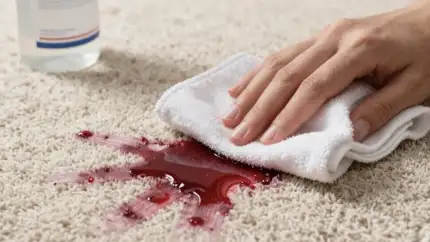

Blood on carpet can look difficult to remove, but acting quickly and using the right technique can make a major difference.
The most important rule is simple:
Use cold water—not hot water.
Blood contains proteins. Heat can cause those proteins to bind more tightly to carpet fibers, making the stain harder to remove.
Whether you're dealing with a fresh spot, dried blood, or a stain that has already been treated once, this guide explains how to clean blood out of carpet without spreading the stain or damaging the fibers.
What You Need to Clean Blood From Carpet
Before starting, gather:
- Disposable gloves
- Clean white cloths or paper towels
- Cold water
- Mild dish soap
- Carpet-safe stain remover
- Soft brush, if appropriate
- Hydrogen peroxide only when compatible with the carpet
- Carpet-safe enzyme cleaner, if needed
- Vacuum after the carpet is completely dry
White cloths are useful because they make it easier to see whether blood is transferring from the carpet.
Before You Start: Protect Yourself
Blood is a bodily fluid, so avoid direct skin contact.
Wear disposable gloves while cleaning.
Keep children and pets away from the area until cleanup is finished.
If the blood is not yours, the amount is substantial, or there is concern about possible exposure to bloodborne pathogens, professional biohazard
cleaning may be more appropriate than ordinary household cleaning.
How to Clean Fresh Blood Out of Carpet
Fresh blood is usually easier to remove than dried blood.
The sooner you treat it, the better.
Step 1: Blot the Blood
Use a clean white cloth or paper towel to absorb as much blood as possible.
Press gently.
Lift the cloth.
Move to a clean section.
Repeat.
Do not rub.
Rubbing can spread the stain outward and push blood deeper into the carpet fibers.
Step 2: Use Cold Water
Lightly dampen a clean cloth with cold water.
Blot the stained area from the outside toward the center.
This helps reduce spreading.
Avoid pouring large amounts of water directly onto the carpet.
Too much moisture can soak through to the backing and carpet pad.
Step 3: Blot Again
Use a dry white cloth to absorb the loosened blood and moisture.
Repeat the cold-water blotting process as needed.
For a small fresh blood stain, this may remove much of the discoloration before you need a cleaning product.
Step 4: Apply a Carpet-Safe Cleaner
If the stain remains, use a cleaner labeled for carpet and appropriate for blood or protein-based stains.
Follow the product directions carefully.
Pay attention to:
- Recommended amount
- Contact time
- Whether rinsing is required
- Carpet-fiber compatibility
Test any cleaner on an inconspicuous area first.
Step 5: Blot Instead of Scrubbing
After applying the cleaner, continue blotting.
Avoid aggressive scrubbing.
Scrubbing may:
- Spread the stain
- Fray carpet fibers
- Distort the pile
- Push residue deeper into the carpet
Work patiently from the outside of the stain toward the center.
Step 6: Rinse if Required
If the cleaning-product instructions call for rinsing, lightly apply cold water and blot again.
Use as little water as necessary.
The goal is to remove cleaning residue without soaking the carpet.
Step 7: Dry the Carpet Completely
After the stain is removed, blot the area as dry as possible.
Then increase airflow with:
- A fan
- Air conditioning
- A dehumidifier
- Room ventilation
Keep people and pets off the carpet until it is dry.
Why You Shouldn't Use Hot Water on Blood Stains
This is one of the most common blood-cleaning mistakes.
Blood contains proteins.
Heat can cause those proteins to set into carpet fibers.
That can make the stain more difficult to remove.
For blood, start with cold water.
The same principle applies to many other fabrics when treating fresh blood stains.
How to Clean Dried Blood Out of Carpet
Dried blood is more difficult because the stain has had time to bond with the carpet fibers.
But it may still be removable.
Step 1: Remove Loose Dried Material
If there is dried residue on the surface, carefully loosen it without damaging the carpet.
You may use a dull scraper or similar non-sharp tool.
Do not scrape aggressively.
Vacuum loose dry material if appropriate.
Step 2: Rehydrate the Stain With Cold Water
Lightly dampen the stained area with cold water.
Allow the moisture to soften the dried residue.
Do not oversaturate the carpet.
Step 3: Blot
Use a clean white cloth to blot the stain.
You may begin to see blood transfer onto the cloth.
Continue using clean sections rather than pressing the same stained area back onto the carpet.
Step 4: Use a Carpet-Safe Protein-Stain Cleaner
A product designed for organic or protein-based stains may help with dried blood.
An enzyme cleaner may also be appropriate for some carpets.
Follow the label and test it first.
Can Hydrogen Peroxide Remove Blood From Carpet?
Hydrogen peroxide is commonly used for blood stains because it can help break down visible discoloration.
However, it should be used cautiously.
Hydrogen peroxide can lighten some carpet dyes.
Before using it:
- Check the carpet manufacturer's guidance
- Test a hidden area
- Use only a small amount
- Watch for color change
If your carpet is dark, brightly colored, wool, antique, or otherwise delicate, a carpet-specific cleaning product may be the safer choice.
How to Use Hydrogen Peroxide on Carpet
If the carpet manufacturer allows it and your spot test shows no color change:
- Apply a small amount to the blood stain.
- Allow it to react briefly.
- Blot with a clean white cloth.
- Repeat cautiously if necessary.
- Remove residue according to the product or carpet-care instructions.
- Dry the area thoroughly.
Do not saturate the carpet.
Can Dish Soap Remove Blood From Carpet?
A mild dish-soap solution may help lift remaining blood from some carpets.
Use only a small amount.
Too much soap can leave sticky residue behind and attract dirt later.
If you use dish soap:
- Mix a very small amount with cold water
- Apply it to a cloth rather than soaking the carpet
- Blot the stain
- Remove soap residue afterward with a small amount of clean cold water
- Blot dry
Always check carpet-care instructions first.
Does Baking Soda Remove Blood From Carpet?
Baking soda is frequently suggested for carpet stains, but it should not be treated as a universal solution.
It may help absorb moisture or odor in some situations, but blood still needs to be properly removed from the carpet fibers.
Do not dump baking soda onto a soaking-wet stain and assume the problem is solved.
If powder becomes wet deep in the carpet, it can also become harder to remove.
Can Vinegar Remove Blood From Carpet?
Vinegar appears in many homemade cleaning recipes.
However, it is not always the best first choice for blood stains.
Use products based on carpet compatibility rather than assuming a DIY solution is safe.
If you choose to use vinegar, first confirm that your carpet manufacturer allows acidic cleaning solutions and test a hidden area.
Never mix vinegar with bleach.
Can You Use Bleach to Remove Blood From Carpet?
Bleach is generally not appropriate for ordinary carpet stain removal.
It can permanently remove or alter carpet color.
Never mix bleach with:
- Vinegar
- Ammonia
- Acids
- Other household cleaning chemicals
Chemical combinations can create dangerous fumes.
Use a carpet-specific stain remover instead.
How to Remove an Old Blood Stain From Carpet
An old blood stain may require several careful treatments.
Start with cold water to rehydrate the stain.
Then use a carpet-safe stain remover designed for organic or protein-based stains.
Blot.
Let the carpet dry.
Reassess the stain after it is fully dry rather than continuously adding more chemicals.
Sometimes a stain looks different when wet and becomes easier to evaluate after drying.
If the discoloration remains after multiple appropriate treatments, professional carpet cleaning may be the safest next step.
How to Get Blood Out of Light-Colored Carpet
Blood stains can be particularly noticeable on beige, cream, gray, or white carpet.
The same basic process applies:
- Cold water
- Blotting
- Carpet-compatible cleaner
- Minimal moisture
- Thorough drying
Avoid using stronger chemicals simply because the carpet is light.
Even white or beige carpet can have dyes and fibers that react badly to harsh products.
How to Get Blood Out of Dark Carpet
Dark carpet may hide some discoloration but presents another concern:
Some stain removers can lighten the carpet.
This is especially important with hydrogen peroxide.
Always spot-test cleaning products before applying them to a visible area.
How to Clean Blood From Wool Carpet
Wool requires extra care.
It can be sensitive to:
- Strong alkaline cleaners
- Excessive moisture
- Harsh scrubbing
- Certain stain-removal chemicals
Check the manufacturer's care guidance before treating wool carpet.
For valuable wool carpeting or rugs, professional cleaning may be safer than experimenting with several household products.
How to Clean Blood From a Rug
Blood on a rug should be treated based on the rug's material.
Synthetic area rugs may tolerate methods that would be inappropriate for:
- Wool rugs
- Silk rugs
- Handmade rugs
- Antique rugs
- Natural-fiber rugs
Check the care label.
Blot the stain with cold water.
Avoid saturating the rug, especially if its backing could be damaged by moisture.
For high-value or delicate rugs, contact a professional rug cleaner.
How to Remove Blood Smell From Carpet
A small blood stain usually does not create a strong lasting odor once the residue has been completely removed.
If an odor remains, organic material may still be present.
A carpet-safe enzyme cleaner may help when compatible with the carpet.
Follow the product directions carefully.
If the odor returns after the carpet dries, contamination may have penetrated into the carpet backing or pad.
What If Blood Soaked Into the Carpet Pad?
If a significant amount of blood reaches the carpet padding, surface cleaning may not be enough.
Signs of deeper contamination include:
- Odor returning after cleaning
- A stain reappearing
- A large volume of blood
- Moisture underneath the carpet
- Persistent discoloration
Depending on the situation, the carpet may need professional extraction, lifting, padding replacement, or specialized remediation.
What if the Blood Is From a Nosebleed?
Small nosebleed stains can usually be handled using the same cold-water and blotting method.
Act quickly.
Remove excess blood.
Blot with cold water.
Use a carpet-compatible cleaner if necessary.
Avoid rubbing.
What if the Blood Came From a Cut or Injury?
For a small household accident involving your own blood, ordinary spot cleaning may be sufficient after the immediate injury has been handled.
Wear gloves during cleanup and wash your hands afterward.
If the amount of blood is significant, the source is unknown, or another person's blood is involved, take additional precautions.
Cleaning Blood When the Source Is Unknown
If you do not know whose blood it is, treat it more cautiously.
Avoid direct contact.
Use disposable gloves.
Do not allow children or pets into the area.
For significant contamination or situations involving potential bloodborne-pathogen exposure, use a professional biohazard remediation service
rather than ordinary residential cleaning.
Cleaning and Disinfecting Are Different
Removing a visible blood stain and disinfecting a contaminated surface are not the same task.
Carpet is a porous surface.
Not every disinfectant is approved for carpet, and products intended for hard surfaces should not automatically be applied to carpet fibers.
If disinfection is necessary, use a product specifically labeled for the surface and situation and follow its directions.
For larger bodily-fluid contamination, professional remediation is appropriate.
Can a Carpet Cleaning Machine Remove Blood?
A carpet extraction machine may be useful after appropriate spot treatment, depending on the carpet and machine.
But do not start by running hot water over a blood stain.
Follow:
- Carpet manufacturer instructions
- Equipment instructions
- Cleaning-solution directions
Avoid oversaturating the area.
For a small stain, controlled spot treatment may be more appropriate than wetting a large section of carpet.
Should You Steam Clean Blood From Carpet?
Heat is generally not the first choice for treating blood.
Because blood is protein-based, high temperatures can make staining harder to remove.
Treat the stain with cold-water methods first.
If professional extraction is required afterward, follow carpet-care guidance and use a qualified provider.
Common Mistakes When Cleaning Blood From Carpet
Avoid:
- Using hot water
- Scrubbing aggressively
- Waiting too long to treat the stain
- Pouring excessive water onto the carpet
- Mixing cleaning chemicals
- Using bleach
- Applying hydrogen peroxide without testing
- Using several products one after another
- Ignoring carpet-fiber type
- Assuming the stain is gone before the carpet dries
- Allowing contamination to remain in the carpet pad
A careful approach is usually more effective than using increasingly stronger chemicals.
How to Prevent the Stain From Spreading
Work from the outer edge toward the center.
This keeps the cleaning process from pushing blood into previously unaffected fibers.
Use clean sections of your cloth frequently.
Once a cloth becomes saturated with blood, switch to a fresh one rather than continuing to press contamination back into the carpet.
When Should You Call a Professional Carpet Cleaner?
Professional carpet cleaning may make sense when:
- The blood stain is large
- The stain has dried for a long time
- Multiple attempts have failed
- Blood has soaked into the padding
- The carpet is expensive or delicate
- The carpet is wool
- Discoloration remains after drying
- You are unsure what products have already been used
Tell the professional what caused the stain and which products have already been applied.
That information can help them choose an appropriate treatment.
When Do You Need Biohazard Cleaning Instead?
Ordinary carpet cleaning is not the same as biohazard remediation.
Consider a qualified biohazard-cleaning service for:
- Large amounts of blood
- Trauma scenes
- Unknown blood sources
- Significant bodily-fluid contamination
- Blood that has spread through carpet and padding
- Situations involving potential infectious exposure
The CoBuilders provides general residential cleaning, but substantial blood contamination should be handled by a provider equipped for specialized biohazard remediation.
Frequently Asked Questions About How to Clean Blood Out of Carpet
What is the fastest way to get blood out of carpet?
Blot fresh blood immediately, use cold water, continue blotting, and apply a carpet-safe stain remover if necessary.
Should I use hot or cold water for blood stains?
Use cold water.
Hot water can cause blood proteins to bind more strongly to carpet fibers.
Can hydrogen peroxide get blood out of carpet?
It can help remove blood staining on some carpets, but it may also lighten carpet dyes.
Always test it in a hidden area first.
How do you get dried blood out of carpet?
Carefully remove loose dried material, rehydrate the stain with cold water, blot, and use a compatible protein-stain or enzyme cleaner.
Does dish soap remove blood?
A small amount of mild dish soap mixed with cold water may help on some carpets.
Avoid using too much and remove leftover soap residue afterward.
Can baking soda remove blood stains?
Baking soda alone does not reliably remove blood from carpet.
The blood residue still needs to be loosened and removed from the fibers.
Will vinegar remove blood from carpet?
Vinegar may be appropriate for some carpet types, but it is not universally recommended. Check carpet-care instructions before using it.
Can I use bleach on blood stains?
Bleach can permanently discolor carpet and generally should not be used for ordinary blood-stain removal.
Why did my blood stain turn brown?
Blood can darken as it dries and oxidizes.
Older stains may appear reddish-brown or brown and may require more careful treatment than fresh blood.
Why does the blood stain keep coming back?
Blood may have reached the carpet backing or padding. Moisture during cleaning can sometimes draw deeper residue back toward the surface.
Can professional cleaners remove blood from carpet?
Professional carpet cleaners may treat ordinary carpet stains, but significant blood contamination can require a specialized biohazard service.
Blood Stains Are Easier to Remove When You Act Quickly
If you need to know how to clean blood out of carpet, remember the fundamentals:
Use cold water.
Blot instead of rubbing.
Work from the outside inward.
Use a carpet-compatible cleaning product.
Avoid oversaturating the carpet.
Test products before using them.
And let the area dry completely before deciding whether the stain is gone.
For substantial contamination, blood that has reached the padding, or situations involving an unknown source, use an appropriately qualified professional.
And when the stain is handled but the rest of your home still needs attention, The CoBuilders can help with standard cleaning, deep cleaning, move-in/move-out cleaning, and recurring cleaning.
Featured Posts

Philadelphia Home Cleaning Service: How to Find Reliable Professional Cleaning

How Much Does House Cleaning Cost? A Clear Guide for Every Homeowner

Dry Cleaning: What It Is, How It Works, and When You Need It

Can You Really Get 19 Dollar House Cleaning? What to Know Before You Book

How to Clean Vomit From the Carpet Without Spreading the Stain or Odor

Finding a Home Cleaning Company Near Me in Anchorage: Why The CoBuilders Are the Right Choice

House Cleaner Job in Texas – Join The CoBuilders and Build a Meaningful Career

Eco-Friendly House Cleaning in Illinois

Cleaning Services in Atlanta GA: Your Trusted Local Partner for Sparkling Spaces

Clean Washer How to Clean Washing Machine
"Your satisfaction is our top priority. We don't just clean spaces; we create environments where you can thrive."
Bukola Michael Nelson
Founder & CEO, The CoBuilders