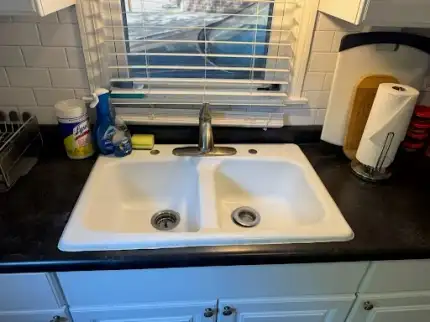

How to Clean a Cutting Board: Simple Steps for Wood and Plastic
Your cutting board handles everything from chopped onions to sandwich prep. A quick rinse may remove loose crumbs, but proper washing removes the food residue left behind.
To clean a cutting board, wash it with dish soap and hot water, rinse thoroughly, and let it dry completely. The next steps depend on the board’s material and what you prepared on it. Boards used for raw meat, poultry, or seafood need a sanitizing step after washing.
Here’s how to keep your wooden and plastic cutting boards ready for your next meal.
What You’ll Need
For everyday cleaning, gather:
- Dish soap
- Hot water
- A clean sponge or dish brush
- A clean towel or paper towels
- A drying rack
For occasional care, you may also need coarse salt, a lemon, cutting board oil, or a sanitizer labeled for food-contact surfaces.
How to Clean a Wooden Cutting Board
Wash your wooden cutting board promptly after use so food residue does not dry onto the surface.
- Remove leftover food. Scrape loose pieces into the trash or compost.
- Wash the board. Use dish soap and water with a clean sponge or brush. Clean both sides, the edges, and any juice grooves.
- Rinse thoroughly. Remove the soap and loosened food.
- Towel dry. Wipe away excess moisture with a clean towel.
- Finish drying upright. Stand the board where air can circulate around both sides.
Avoid soaking wooden boards or putting them in the dishwasher unless the manufacturer explicitly permits it. Prolonged moisture and heat can damage the board. Manufacturer guidance from John Boos also recommends towel drying followed by upright air drying.
How to Clean a Plastic Cutting Board
Plastic boards are convenient for everyday prep, but knife grooves still need attention.
- Scrape off food scraps.
- Scrub with hot, soapy water. Work the brush over grooves, corners, and handles.
- Rinse thoroughly.
- Let the board dry completely before storing it.
If the board is labeled dishwasher-safe, follow its placement and cycle instructions. Check the label rather than assuming every plastic board can handle dishwasher heat.
Wash cutting boards after preparing each food item, especially before switching from raw ingredients to foods you will eat without cooking.
How to Sanitize a Cutting Board After Raw Meat
Cleaning removes food and grease. Sanitizing is a separate step that reduces remaining germs.
After preparing raw meat, poultry, or seafood:
- Wash the board thoroughly.
- Apply a sanitizer suitable for the board’s material and labeled for food-contact surfaces.
- Follow the product’s dilution and contact-time instructions.
- Rinse if the label requires it, then allow the board to dry.
If using bleach, follow its food-contact sanitizing directions. Do not pour concentrated bleach directly onto the board or mix it with lemon juice, vinegar, ammonia, or other cleaners.
Keep a separate board for raw meat and another for produce, bread, and other ready-to-eat foods to help prevent cross-contamination.
How to Remove Cutting Board Odors
If your wooden board still smells like garlic or onions after washing, a lemon-and-salt scrub may help, provided the manufacturer allows it.
- Sprinkle coarse salt over the affected area.
- Rub gently with the cut side of half a lemon.
- Rinse thoroughly.
- Towel dry, then stand the board upright to finish drying.
John Boos includes lemon and salt in its guidance for addressing stubborn odors and surface stains. This treatment does not replace washing and sanitizing after raw meat preparation.
How to Remove Cutting Board Stains
Tomatoes, berries, and colorful spices can leave marks even after you wash a board.
Start by washing promptly with dish soap and a brush. For wood, try the lemon-and-salt method if the board’s care instructions allow it. For plastic, use a manufacturer-approved stain treatment and follow the directions for food-contact surfaces.
Avoid repeated harsh scrubbing that roughens the surface. Removing a stain and sanitizing a board are different tasks: a stain-free appearance does not tell you whether a board has been properly sanitized.
How to Keep a Wooden Cutting Board From Drying Out
Periodic conditioning helps maintain wooden boards.
Once the board is clean and completely dry, apply a cutting board oil or conditioner recommended by its manufacturer. Spread it over both faces and the edges, allow it to absorb as directed, and wipe away excess.
Check the wood regularly. A dry or dull appearance can signal that it needs conditioning. The right schedule depends on how often you use and wash it.
When Should You Replace a Cutting Board?
Replace a board when deep grooves, cracks, or excessive wear make thorough cleaning difficult. Inspect both sides rather than judging only by discoloration.
Deep knife marks can shelter food residue and bacteria. A heavily scored plastic board or a cracked wooden board may need replacement even if it still looks usable.
Make Kitchen Cleaning Easier With The CoBuilders
Keeping your cutting board clean is one small part of caring for your kitchen. Counters, floors, appliance surfaces, and the rest of your home need attention, too.
When your schedule gets busy, explore house cleaning services with The CoBuilders. Choose cleaning that fits your household and leave more time for enjoying your home.
Featured Posts
How to Remove Hard Water Stains

How to Clean Vomit Out of Carpet

How to reduce static in your home
How to Clean Carpet Stain: Simple Steps for Common Household Spills

Fall Cleaning Checklist: Get Your Home Ready for a Comfortable Season

Residential Cleaning: What’s Included and How to Choose the Right Service
Cleaning Near Me: How to Find the Right Local Cleaning Service

Move Out Cleaning Service: What to Expect Before You Book

Professional Home Cleaners in Baltimore, MD

Do I Get a Discount for Recurring House Cleaning in San Antonio?
"Your satisfaction is our top priority. We don't just clean spaces; we create environments where you can thrive."
Bukola Michael Nelson
Founder & CEO, The CoBuilders