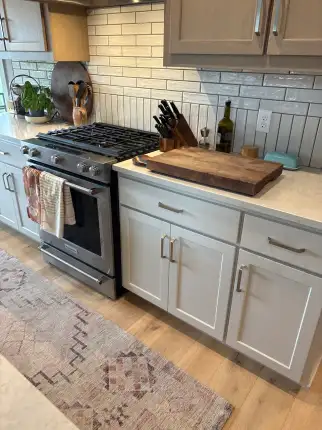

A sauce spill in the oven, scorched food in a skillet, or dried residue on the cooktop can turn a simple meal into a stubborn cleaning job. Scrubbing harder may seem like the quickest solution, but the wrong tool can scratch glass, damage a coating, or wear down an appliance finish.
Home cleaning professionals start by identifying the surface, loosening the residue, and choosing a compatible cleaning method. The same approach can help you tackle everyday kitchen messes without unnecessary abrasion.
Here’s how to remove burnt-on food from pans, cooktops, and ovens—and when to arrange professional kitchen cleaning.
Before You Start: Match the Method to the Material
Check the cookware or appliance manufacturer’s cleaning instructions before applying a product. Stainless steel, nonstick coatings, seasoned cast iron, and glass cooktops require different care.
For ordinary cleanup, turn off the appliance and allow hot surfaces and cookware to cool. Avoid pouring cold water into a hot pan.
Keep these essentials nearby:
- Dishwashing liquid.
- Soft microfiber cloths.
- A nonabrasive sponge.
- A cookware-safe scraper or brush.
- A cleaner approved for the appliance or surface.
Use cleaning products individually and follow their labels. Do not mix cleaners or assume that a homemade solution is suitable for every finish.
For melted sugar or plastic on a glass cooktop, consult the appliance’s special spill instructions immediately. These spills may require a different procedure from ordinary cooled-surface cleaning.
How to Remove Burnt-On Food From Pans
The best starting point depends on the pan’s material. Avoid using a dishwasher tablet as a universal soaking treatment: dishwasher detergents are not appropriate for every coating, metal, or finish.
Stainless Steel Pans
For a stainless steel pan that permits soaking:
- Let the pan cool.
- Add warm water and a small amount of dishwashing liquid.
- Allow the food residue to soften.
- Use a nonabrasive sponge or cookware-safe scraper to lift it.
- Wash, rinse thoroughly, and dry.
If residue remains, use the manufacturer’s recommended stainless steel cookware cleaner. Follow its instructions rather than reaching for steel wool or crumpled aluminum foil.
Stubborn marks may require another cleaning cycle. More pressure is not always the answer.
Nonstick Pans
Nonstick cookware needs a gentle approach.
Wash the cooled pan with warm, soapy water and a soft sponge. If the manufacturer permits soaking, let the residue soften before wiping again.
Avoid metal scrapers, abrasive pads, and harsh cleaners. Check the manufacturer’s guidance if the coating is peeling or damaged; additional scrubbing will not restore it.
Seasoned Cast Iron
Seasoned cast iron should not be left soaking in water.
Use warm water, a suitable brush or pan scraper, and a small amount of dish soap if permitted by the manufacturer. For stubborn food, Lodge recommends briefly simmering water to loosen the residue, then letting the pan cool before scraping.
Dry thoroughly after washing and apply a light coating of cooking oil according to the cookware’s care instructions.
Enameled cast iron has different care requirements, so follow the instructions for that finish.
How to Clean Burnt-On Food From a Cooktop
Identify whether you have a glass, gas, or electric-coil cooktop before removing parts or applying cleaner.
Glass and Ceramic Cooktops
For ordinary burnt-on food, let the surface cool and remove loose debris with a soft cloth.
Apply an approved ceramic-cooktop cleaner and use the recommended non-scratch pad. Wipe away the residue and finish according to the product instructions.
For heavier deposits, some manufacturers permit a dedicated cooktop scraper. Use only the specified tool and technique. Avoid kitchen knives, improvised blades, or abrasive scouring pads.
Sugary spills and melted plastic need the manufacturer’s special cleanup procedure because they can damage the glass.
Gas Cooktops
Once the appliance is off and cool:
- Remove only the grates and burner caps identified as removable in the manual.
- Clean those parts using the approved method.
- Wipe the cooktop with a compatible cleaner and soft cloth.
- Keep liquid out of igniters, openings, and electrical components.
- Dry removable parts thoroughly and reinstall them correctly.
Some grates and caps can be soaked; others have care restrictions. Do not assume the entire burner assembly belongs in a sink of water.
Electric-Coil Cooktops
Never immerse electric heating coils in water.
Follow the appliance manual for cleaning the elements and removing drip bowls. Removable drip bowls may allow separate washing, but the heating coils and electrical connections require different treatment.
Disconnect power as directed before removing components, and reinstall everything according to the manufacturer’s instructions.
How to Remove Burnt-On Food From an Oven
Oven interiors vary. A conventional enamel cavity, self-cleaning oven, and steam-clean model may each have different cleaning requirements.
1. Read the Oven’s Cleaning Instructions
Identify which manual-cleaning products and built-in cycles are approved. Do not assume commercial oven cleaner is suitable for a self-cleaning oven.
2. Remove Loose Debris
With the oven off and cool, take out cookware and removable accessories. Remove loose crumbs and food pieces with a damp cloth.
Follow the manual’s instructions for racks, especially coated or sliding racks.
3. Treat the Residue With an Approved Method
Where the manufacturer allows it, a baking soda and water paste may help loosen baked-on residue. Otherwise, use the specified oven-cleaning product or procedure.
Keep cleaners away from heating elements, fans, vents, electrical openings, and door seals unless the manual explicitly directs otherwise. Follow the permitted contact time.
4. Remove the Cleaner Thoroughly
Wipe away loosened food and cleaning residue using clean, damp cloths. Repeat as needed and follow any rinsing or drying directions before using the oven again.
If you choose a self-cleaning or steam-cleaning cycle, follow the appliance instructions for preparation, ventilation, rack removal, and cooling.
Common Kitchen-Cleaning Mistakes to Avoid
A strong cleaner or aggressive tool can create a second problem while removing the first.
Avoid:
- Scrubbing nonstick cookware with metal tools.
- Soaking seasoned cast iron for extended periods.
- Immersing electric heating coils.
- Using oven cleaner on an incompatible surface.
- Scraping glass with an improvised tool.
- Leaving cleaning residue inside an oven.
- Applying one cleaning method to every material.
When a finish remains discolored after the residue is gone, pause before escalating. Staining, coating damage, and surface wear may not respond to further cleaning.
When to Hire Home Cleaning Professionals
Professional help can be useful when kitchen upkeep has become difficult to manage or several areas need detailed attention.
Before booking, explain the condition of the oven and cooktop, identify the appliance types, and describe any stubborn buildup. Photos can help communicate what needs attention.
Ask whether the selected service includes:
- Cooktop cleaning.
- Oven interior cleaning.
- Removable racks, grates, or drip bowls.
- Appliance exteriors.
- Other kitchen surfaces needing attention.
Cookware washing, oven interiors, and detailed appliance cleaning should not be assumed to be included in every house-cleaning appointment. Confirm the tasks and any additional cost before booking.
What to Look for in Home Cleaning Professionals
Choose a provider that explains the service scope, pricing, and process for handling special requests.
Share manufacturer instructions for delicate finishes or specialty appliances. Ask how the requested work will be assessed and whether any areas fall outside the service.
The CoBuilders connects customers with vetted cleaning professionals and lets you select your cleaning type, rooms, bathrooms, and available extras before reviewing a personalized estimate.
For regular upkeep, explore standard house cleaning services. For occasional help, review one-time cleaning options.
Make Kitchen Cleanup Easier Between Visits
Address ordinary spills once the surface is safe to clean, and follow special instructions for spills requiring immediate attention. Wash cookware after use rather than repeatedly heating existing residue.
Wiping appliance exteriors and checking the oven for spills can also help you catch buildup before it becomes a larger job.
Ready for help with your kitchen? Get a personalized cleaning estimate from The CoBuilders and include your appliance-cleaning priorities when arranging service.
Frequently Asked Questions
Can home cleaning professionals remove burnt-on food?
They may be able to remove food residue using methods compatible with the surface. Results depend on the buildup and the condition of the cookware or appliance. Confirm the requested tasks before booking.
Can I use a dishwasher tablet to clean any burnt pan?
No. Dishwasher detergents are not suitable for every cookware material or coating. Follow the pan manufacturer’s instructions instead of treating tablets as a universal cleaning solution.
Should I soak electric stove coils?
No. Electric heating coils must not be immersed in water. Follow the appliance’s instructions for cleaning coils and removable drip bowls separately.
Can baking soda clean an oven?
Some manufacturers permit baking soda paste for manual cleaning. Check your model’s instructions, avoid restricted components, and remove the residue thoroughly.
Does professional house cleaning include oven interiors?
It depends on the selected service. Review the included tasks and available extras before confirming your booking.
How do I prepare for professional kitchen cleaning?
Clear accessible counters, remove personal items where practical, and explain your priorities. Identify delicate surfaces and confirm whether appliance interiors or cookware are included.
Featured Posts

Home Cleaning Professionals’ Guide to Removing Hard Water Stains
House Cleaning Services for Seniors: Keeping Independent Living Comfortable

How Does Homeaglow Work? Understanding Online Cleaning Platforms

Homeaglow and the Rise of On-Demand Cleaning: What to Know

The CoBuilders, World’s First True House Cleaning Delivery App
Homeaglow Lawsuit: What You Should Know

Homeaglow Scam? Hidden Fees, Customer Complaints & Honest Review

Can an App for House Cleaning Services Really Simplify Your Life?
Is Homeaglow’s $19 House Cleaning Deal Legit or a Hidden Subscription Trap?

Is Homeaglow a Scam? What You Should Know Before Booking
"Your satisfaction is our top priority. We don't just clean spaces; we create environments where you can thrive."
Bukola Michael Nelson
Founder & CEO, The CoBuilders