
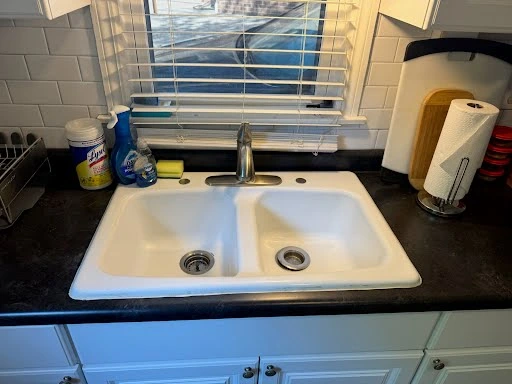
Cleaning and Disinfecting Your Home After Illness: What You Need to Know
The COVID-19 pandemic changed the way many of us think about cleaning.
Door handles, light switches, bathroom fixtures, kitchen counters, and other frequently touched surfaces suddenly received much more attention. While the emergency phase of the pandemic has passed, one lesson remains useful: routine cleaning and appropriate disinfection can play different roles in maintaining a cleaner home.
If someone in your household has been sick with COVID-19, the flu, a stomach illness, or another contagious infection, you may wonder whether your normal house-cleaning routine is enough.
Here's what homeowners should know about cleaning after illness, when disinfecting may be appropriate, and how professional house cleaning can help restore your home after someone has been sick.
Cleaning and Disinfecting Aren't the Same Thing
The terms cleaning, sanitizing, and disinfecting are often used interchangeably, but they don't mean exactly the same thing.
Cleaning
Cleaning removes dirt, dust, spills, grease, and many germs from surfaces.
This is the foundation of maintaining a clean home and is generally what you're doing when you wipe countertops, scrub sinks, vacuum floors, or clean a bathroom.
Sanitizing
Sanitizing reduces the number of germs on a surface to levels considered appropriate under applicable public-health standards.
Disinfecting
Disinfecting involves using an appropriate disinfectant according to its label instructions to kill targeted germs on surfaces.
Importantly, you generally clean a visibly dirty surface before disinfecting it unless the product instructions specify otherwise.
Do You Need to Disinfect Your Entire House After Someone Is Sick?
Usually, the better approach is to focus on the areas that matter most rather than attempting to disinfect every object in the house.
Pay particular attention to frequently touched surfaces and spaces used by the person who was sick.
These may include:
- Door handles
- Light switches
- Faucets
- Toilet handles
- Bathroom counters
- Kitchen counters
- Appliance handles
- Tables
- Stair railings
- Remote controls
- Frequently touched electronics
Always follow the instructions for the cleaning or disinfecting product you're using, particularly its required contact time and the surfaces on which it can safely be applied.
What About COVID-19?
COVID-19 is primarily associated with transmission through respiratory particles rather than contaminated household surfaces.
That doesn't mean household cleaning is unimportant. It means cleaning shouldn't be treated as a substitute for other appropriate precautions when someone is actively ill.
Routine cleaning of frequently touched surfaces is still a sensible part of maintaining the home, and additional disinfection may be appropriate in certain circumstances.
If someone in your household currently has COVID-19 or another contagious illness, follow current guidance from public-health authorities and healthcare professionals regarding appropriate precautions.
Areas to Clean After an Illness
Once you're ready to give the home a thorough cleaning, work systematically rather than randomly disinfecting everything you see.
Bathrooms
Bathrooms can require considerable attention after someone has been sick.
Focus on:
- Toilet and toilet handle
- Sink and faucet
- Shower or tub
- Countertops
- Door handles
- Light switches
- Floors
- Frequently touched bathroom surfaces
Use products appropriate for each material and follow their label directions.
Kitchen
If the person who was sick used the kitchen, clean frequently touched surfaces such as:
- Countertops
- Sink and faucet
- Refrigerator handle
- Cabinet handles
- Microwave controls
- Appliance handles
- Tables and chairs
Food-contact surfaces may have different cleaning and rinsing requirements, so follow the product instructions carefully.
Bedroom
After an illness, the bedroom may need more than a quick dusting.
Consider:
- Changing and laundering bedding
- Cleaning frequently touched surfaces
- Dusting furniture
- Vacuuming carpets and rugs
- Mopping hard floors
- Emptying trash
- Cleaning door handles and switches
Follow appropriate laundry instructions for bedding, towels, and clothing.
Living and Shared Areas
Give additional attention to objects and surfaces that multiple household members frequently touch.
These can include:
- Remote controls
- Tables
- Door handles
- Light switches
- Stair railings
- Shared furniture surfaces
- Frequently used electronics
Be especially careful with electronics. Follow the manufacturer's cleaning recommendations rather than spraying liquid directly onto devices.
Should You Use Bleach Everywhere?
No.
A stronger chemical doesn't automatically produce a better cleaning result, and not every surface can tolerate the same products.
Some disinfectants can damage:
- Natural stone
- Finished wood
- Leather
- Certain metals
- Fabrics
- Electronics
Always check the product label and surface-care instructions first.
And never mix household cleaning chemicals unless the manufacturer explicitly instructs you to do so. In particular, never mix bleach with ammonia, vinegar, or other cleaners, because dangerous gases can result.
What About Eco-Friendly Cleaning?
Eco-conscious household cleaning and disinfection need to be distinguished.
For everyday cleaning, many customers prefer products with reduced environmental impact or fewer harsh ingredients.
If actual disinfection is necessary, however, the product must be appropriate for the organism and surface you're trying to address and must be used according to its label.
“Natural” and “eco-friendly” shouldn't automatically be interpreted to mean “disinfectant.”
At The CoBuilders, customers can communicate product preferences and special cleaning requirements when arranging their service.
When Professional House Cleaning Can Help
After several days of caring for someone who is sick, the last thing many households want is another long cleaning project.
Professional cleaning can be particularly helpful when:
- Routine cleaning has fallen behind.
- Several rooms need attention.
- Bathrooms and kitchens need a thorough clean.
- Floors haven't been vacuumed or mopped recently.
- Bedding, trash, and household clutter have accumulated.
- You want to get the home back to its normal cleaning routine.
Depending on the condition of your home, you may need standard cleaning or a more detailed deep cleaning.
Standard Cleaning or Deep Cleaning After an Illness?
If your home was already regularly maintained and only needs routine attention, standard cleaning may be sufficient.
If cleaning has been neglected during an extended illness or there's significant dirt and buildup, deep cleaning may be more appropriate.
Deep cleaning provides additional attention to areas that aren't typically addressed as thoroughly during routine maintenance.
The objective is to choose the cleaning level your home actually needs rather than automatically assuming every post-illness cleaning requires specialized disinfection.
Professional Cleaning Doesn't Replace Medical or Public-Health Guidance
This distinction is important.
A professionally cleaned home can address household dirt, grime, and cleaning needs, but house cleaning should not be presented as medical protection or a guarantee against infection.
If someone currently has COVID-19 or another contagious disease, follow the recommendations of healthcare professionals and current public-health guidance.
Professional cleaning can then help with the practical job of getting your home clean and comfortable again.
Frequently Asked Questions
Should I disinfect my house after having COVID-19?
Routine cleaning is important, while additional disinfection may be appropriate depending on the circumstances. Focus particularly on frequently touched surfaces and follow current public-health guidance and the instructions on any disinfectant you use.
What's the difference between cleaning and disinfecting?
Cleaning removes dirt and many germs from surfaces. Disinfecting uses an appropriate product to kill targeted germs when used according to its label. Visibly dirty surfaces generally need to be cleaned before they are disinfected.
What surfaces should I clean after someone has been sick?
Prioritize frequently touched surfaces such as door handles, faucets, toilet handles, light switches, countertops, appliance handles, tables, and shared bathroom surfaces.
Are eco-friendly products appropriate after an illness?
Eco-friendly products can be useful for routine cleaning, but don't assume a product disinfects simply because it cleans. If disinfection is required, use a product appropriate for that purpose and follow its label directions.
Should I book standard or deep cleaning after an illness?
If the home has been maintained consistently, standard cleaning may be enough. If cleaning fell behind or there's substantial buildup, deep cleaning may provide the additional attention the home needs.
Can The CoBuilders clean my home after someone has been sick?
The CoBuilders can help customers restore routine household cleanliness after an illness through available residential cleaning services. When booking, provide any relevant cleaning requirements so the appropriate service can be selected.
Getting Your Home Back to Normal
Illness can disrupt everything from work and school to laundry, dishes, and routine house cleaning.
Once everyone is recovering, getting the home clean can help restore a sense of normalcy.
Start with the areas used most frequently. Clean kitchens and bathrooms thoroughly, wash bedding and towels, address frequently touched surfaces, vacuum and mop floors, and choose appropriate products for each surface.
And if the cleaning has become more than you want to tackle yourself, professional help is an option.
With The CoBuilders, you can choose your preferred cleaning date and time, select the cleaning service and rooms you need, review your pricing, and book professional house cleaning online.
Featured Posts
8.71 min read
Need a Recommendation for Apartment Deep Cleaning Service in Chicago?
8.97 min read
House Cleaning Services in Ventura, California
7.9 min read
House Cleaning Company Near Me: Why Austin, TX Homeowners Choose The CoBuilders

7.8 min read
Cleaning Service & House Cleaner Options in Portland, ME: Your Complete Guide
4.96 min read
Deep Cleaning of the House in San Jose, CA: When, Why & Who to Call
3.17 min read
How Do I Keep My House Clean with a Busy Schedule?
5.87 min read
What is the Difference Between Standard Cleaning and Deep Cleaning?
9.07 min read
A Complete Guide to Cleaning Mold with Vinegar in California Homes
6.41 min read
Top House Cleaning Companies Near Me: Finding the Best Cleaning Service in the U.S.
2.85 min read
Duct Cleaning Companies Near Me in Des Moines: Why The CoBuilders Stand Out