
How to Clean with The CoBuilders
Coffee spills, cooking splatters, and muddy footprints happen—even in a carefully maintained home. Knowing what to do first can make cleanup easier and help prevent a small spot from becoming a lasting stain.
The best approach to cleaning stains starts with identifying both the spill and the surface. Lift away excess material, blot liquids, and choose a treatment suited to the fabric or finish. A method that works on a cotton shirt may damage a wool rug or stone
countertop.
This guide covers practical starting points for common household stains.
Before You Start Cleaning a Stain
Take a moment to check three things:
- What caused it? Coffee, grease, paint, and mineral deposits need different treatments.
- What is stained? Read clothing labels, upholstery tags, and surface-care instructions.
- What has already been applied? Avoid layering products or mixing cleaners.
Test a new treatment in a hidden area. Stop if you notice color transfer, fading, or a change in texture.
For washable clothing, inspect the stain before machine-drying or ironing. Heat can make some remaining stains harder to remove.
How to Clean Coffee and Tea Stains
On Washable Clothing
Blot the spill, then rinse from the back of the fabric with cool water. Apply a suitable laundry pretreatment, follow its treatment time, and wash according to the garment’s care label.
Check the area before drying. Drinks containing milk or cream may leave additional residue, so explain those ingredients if you take the garment to a professional cleaner.
On Carpet
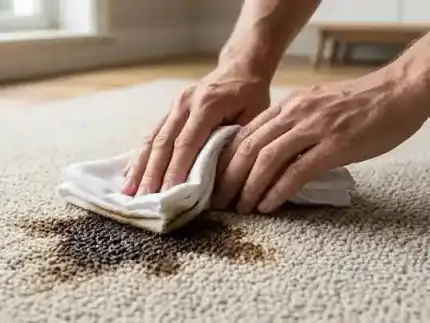
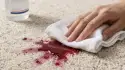
Absorb the liquid with a clean white cloth, working from the outside toward the center. Apply a carpet-approved spot cleaner as directed, then remove residue according to its instructions.
Avoid pouring water onto the spot. Too much liquid can spread the spill into the backing and padding.
The Carpet and Rug Institute recommends prompt blotting, testing cleaners first, and removing cleaning-product residue after treatment.
How to Remove Grease and Oil Stains
On Washable Clothing
Lift away excess grease without smearing it. Pretreat with liquid laundry detergent or a laundry stain remover labeled for grease.
Wash at the warmest temperature permitted by the care label, then inspect before drying. Repeat an appropriate treatment if the oily mark remains.
On Kitchen Surfaces
Wipe up fresh grease, then use a cleaner suitable for the countertop, backsplash, or appliance finish. Remove residue and dry the surface.
Keep abrasive pads away from finishes that scratch easily. For stone countertops, use a stone-compatible product rather than assuming an all-purpose degreaser will be suitable.
How to Clean Mud Stains
Mud needs a slightly different approach from a liquid spill.
On washable clothing, allow ordinary mud to dry, then gently brush away loose soil. Pretreat the remaining mark and wash according to the care label.
For carpet, let muddy footprints dry before vacuuming away loose dirt. Treat any remaining discoloration with a carpet-approved cleaner. Scrubbing wet mud can spread it over a larger area.
Keep this method for ordinary soil. Contamination involving sewage or bodily fluids requires different cleanup procedures.
How to Remove Acrylic Paint Stains
Fresh acrylic paint is easier to address than dried paint.
For washable clothing:
- Lift away excess paint with a spoon or dull edge.
- Rinse the stain from the back before it dries.
- Apply an appropriate laundry pretreatment.
- Wash according to the care label.
- Inspect before drying.
Once acrylic paint hardens, it may leave a permanent mark. Avoid using paint thinner or another strong solvent without confirming that it is suitable for the garment.
How to Clean Blood Stains from Washable Fabric
Use gloves when handling someone else’s blood.
Begin with cold water. Rinse or soak the stained area, then use a fabric-compatible laundry stain remover according to its label. Launder and inspect before drying.
Avoid hot water at the start because it can set blood stains. The American Cleaning Institute recommends cold-water treatment for these marks.
For large contamination or blood on upholstery and carpet, seek appropriate professional cleaning advice.
How to Remove Hard Water Stains
White or cloudy deposits around faucets and shower doors are often mineral buildup.
Use a mineral-removing cleaner approved for the surface. Diluted white vinegar is suitable for some fixtures, but acids can damage natural stone and certain finishes.
For compatible faucets, Delta recommends equal parts white vinegar and water. Apply gently, rinse, and dry; check your own fixture’s instructions before using that method.
Drying fixtures and using a shower squeegee regularly can help reduce new deposits.
Cleaning Stains from Upholstery
Check the furniture’s cleaning code before applying anything:
- W: Water-based cleaning products.
- S: Solvent-based cleaning products.
- W/S: Either type, following the manufacturer’s instructions.
- X: Vacuuming or light brushing; seek professional advice for stains.
Blot spills promptly and avoid soaking cushions. Even when the surface looks dry, moisture may remain inside the filling.
Leather requires its own care method. Do not apply a fabric stain remover to leather upholstery.
Common Stain-Removal Mistakes
A stain can become harder to treat when you:
- Scrub before removing the excess spill.
- Use the same cleaner on every material.
- Apply more product than the directions recommend.
- Leave cleaning residue behind.
- Machine-dry clothing before checking the result.
- Mix cleaners to try to make them stronger.
More pressure or a stronger chemical does not always improve the result. If the surface starts changing, stop and reassess.
What If the Stain Will Not Come Out?
Some marks are permanent discoloration or surface damage rather than removable residue. Bleach spots, etched stone, and damaged finishes generally need repair rather than additional cleaning.
For a persistent stain, tell a qualified cleaner what caused it, how long it has been there, and which treatments you have tried. That information helps them choose the next step.
Keep Everyday Messes Manageable With The CoBuilders
Quick attention to spills and consistent cleaning can help keep your home looking cared for.
For support with your household cleaning routine, explore cleaning services with The CoBuilders. Mention stubborn stains or specialty surfaces before booking so the work you need can be reviewed.
Featured Posts
How to Remove Acrylic Paint from Clothes: Wet and Dried Stains

Affordable Cleaning Services Near Me: Find the Right Clean for Your Budget

10 Overlooked Places in Your Home that Professional House Cleaners Never Miss
How to Remove Hard Water Stains

How to Clean Vomit Out of Carpet

How to reduce static in your home
How to clean a cutting board
How to Clean Carpet Stain: Simple Steps for Common Household Spills

Fall Cleaning Checklist: Get Your Home Ready for a Comfortable Season

Residential Cleaning: What’s Included and How to Choose the Right Service
"Your satisfaction is our top priority. We don't just clean spaces; we create environments where you can thrive."
Bukola Michael Nelson
Founder & CEO, The CoBuilders