
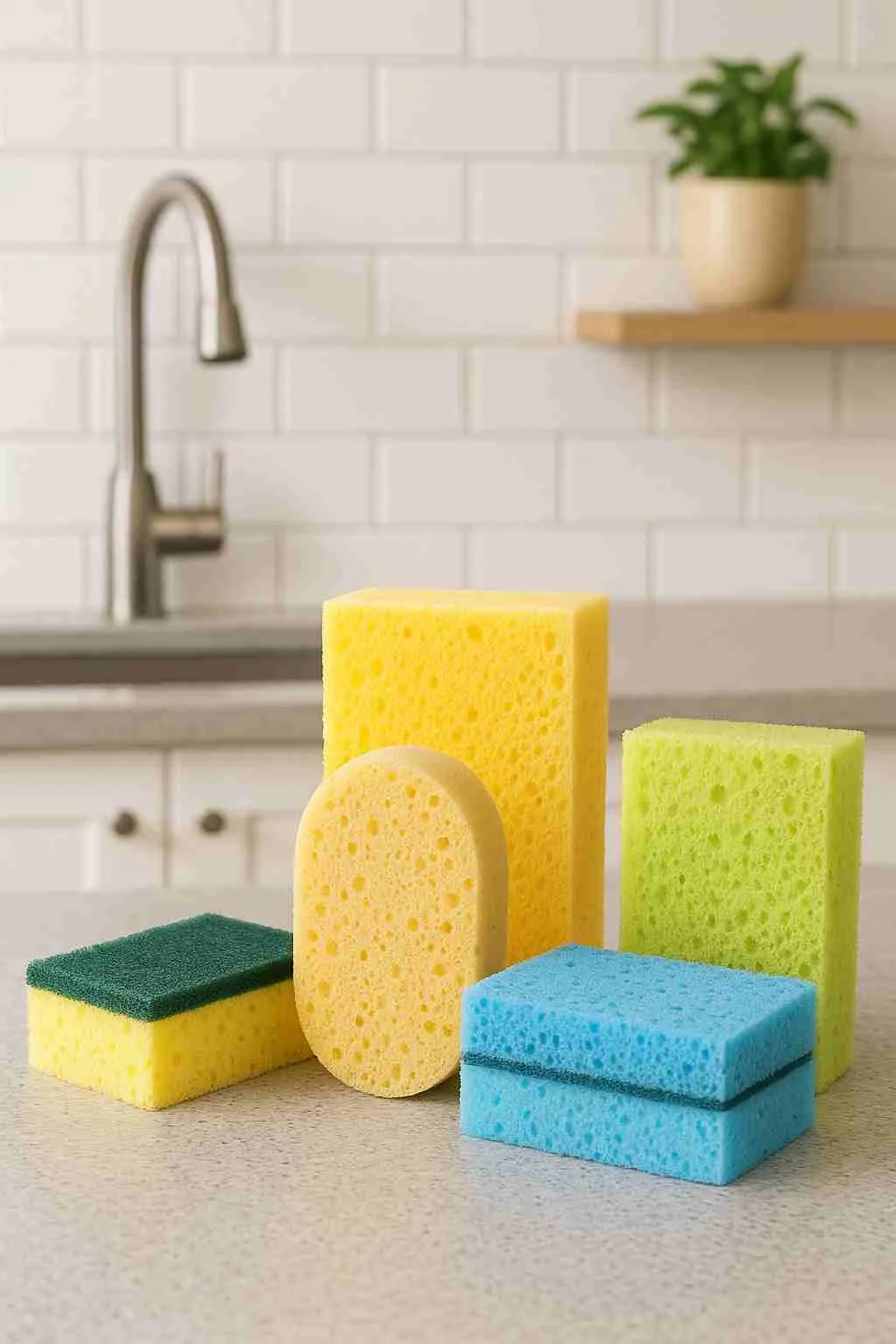
Walk into any kitchen or janitor’s closet, and you’re likely to find one tool that quietly does a lot of the dirty work: the cleaning sponge.
From scrubbing stovetops to wiping down bathroom tiles, the humble sponge is a staple in both household and professional cleaning. But not all sponges are created equal—and using the wrong one can spread germs, damage surfaces, or waste time.
At The CoBuilders, where we train professional cleaners to deliver high-quality results with the right tools, we know the cleaning sponge is far more than just a rectangle with holes. Let’s dive into the types of sponges, when to use them, how to keep them sanitary, and when it’s time to toss them out.
What Is a Cleaning Sponge?
A cleaning sponge is a highly absorbent tool made from natural or synthetic materials used to clean surfaces. Its porous structure makes it excellent for soaking up liquid, applying cleaning products, and scrubbing away grime.
But here’s the catch: the wrong sponge can harbor bacteria or scratch sensitive surfaces, so choosing wisely matters.
Types of Cleaning Sponges and When to Use Them
1. Cellulose Sponges
- Made from wood pulp
- Great for: general kitchen use, wiping counters, soaking spills
- Pros: biodegradable, very absorbent
- Caution: Can trap bacteria if not dried properly
2. Abrasive Sponges (Scrub Sponges)
- Have a rough scrubbing layer attached to a soft sponge base
- Great for: pots, pans, stovetops, bathrooms
- Pros: effective on tough grime
- Caution: Avoid on delicate surfaces like stainless steel or glass
3. Magic Eraser Sponges
- Made from melamine foam
- Great for: walls, baseboards, scuff marks, sneakers
- Pros: cleans with just water
- Caution: Slightly abrasive—can dull shiny surfaces
4. Silicone Sponges
- Made from flexible silicone
- Great for: quick dishwashing, food-safe use
- Pros: non-porous and easy to sanitize
- Caution: Not ideal for heavy scrubbing
5. Steel Wool or Metal Sponges
- Made from fine strands of steel
- Great for: grills, ovens, rust removal
- Pros: extremely effective on heavy-duty jobs
- Caution: Can scratch almost anything—use with care
Are Cleaning Sponges Sanitary?
Let’s be honest: sponges can get gross—fast.
According to a study published in Scientific Reports, kitchen sponges can harbor more active bacteria than a toilet if not cleaned or replaced frequently. This includes potentially harmful strains like E. coli and Salmonella.
How to Keep Sponges Clean:
- Microwave for 1 minute (damp sponge only)
- Run through the dishwasher on high heat
- Soak in vinegar or diluted bleach weekly
- Let dry completely between uses (airflow is key)
When Should You Replace a Cleaning Sponge?
Even the best sponge has an expiration date. If your sponge:
- Smells—even after cleaning
- Feels slimy or stiff
- Has food debris stuck in it
- Is more than 2–3 weeks old with daily use
…it’s time to toss it. And for commercial cleaning? We recommend changing sponges weekly or after high-risk tasks, like bathroom cleaning.
Eco-Friendly Sponge Alternatives
Want to cut down on waste?
At The CoBuilders, we encourage sustainable cleaning when possible. Consider:
- Compostable sponges
- Reusable silicone scrubbers
- Natural loofah sponges
These options reduce landfill waste and often last longer when properly cared for.
How to Choose the Right Cleaning Sponge for Different Cleaning Jobs
Choosing a cleaning sponge depends on the surface, the type of dirt, and how much scrubbing is required. Using an overly abrasive sponge can damage surfaces, while a soft sponge may not be effective enough for heavy buildup.
Here’s a simple guide:
- Kitchen counters and everyday wiping: Use a soft cellulose or non-abrasive sponge.
- Dishes and cookware: Use a standard dish sponge or silicone sponge, depending on the amount of grease and buildup.
- Pots, pans, and stubborn grime: Use an abrasive scrub sponge when the surface can safely handle it.
- Glass and delicate surfaces: Choose a non-abrasive sponge or microfiber cloth to reduce the risk of scratches.
- Bathroom surfaces: Use a dedicated sponge or scrubber that is not used in kitchens or food-preparation areas.
- Heavy-duty commercial cleaning: Use task-specific tools and replace or dispose of them according to the cleaning protocol.
For professional cleaning, the most important rule is to avoid cross-contamination. Sponges and other cleaning tools should be assigned to appropriate areas, cleaned or replaced regularly, and never moved from a contaminated area to a food-contact surface.
The CoBuilders Approach to Sponge Use
As a nationwide cleaning company serving homes, businesses, and government facilities, we train our teams on proper tool selection—including how to use and dispose of cleaning sponges responsibly.
Our teams never reuse sponges across multiple locations, and we follow strict hygiene protocols to keep clients safe and spaces truly clean.
Looking for a cleaning team that takes the details seriously?
Get your quote today on The CoBuilders website.
Final Thoughts
The cleaning sponge is small but mighty. From kitchens to commercial spaces, it remains one of the most versatile tools in any cleaner’s toolkit.
Choose the right type, keep it clean, and don’t hesitate to replace it when needed. And when in doubt? Leave the dirty work to the professionals.
Frequently Asked Questions
How often should you replace a cleaning sponge?
For everyday household use, replace a frequently used kitchen sponge when it develops an odor, becomes slimy, deteriorates, or cannot be properly cleaned. Many households replace sponges every 1–2 weeks, depending on usage and hygiene practices. In professional cleaning, replacement should follow the company's sanitation protocol and the type of task being performed.
What type of sponge is best for cleaning a kitchen?
A soft cellulose or non-abrasive sponge is generally suitable for everyday kitchen cleaning. For pots, pans, and stubborn food residue, an abrasive scrub sponge may work better, but it should only be used on surfaces that can tolerate abrasion.
Can cleaning sponges spread bacteria?
Yes. Damp, frequently used sponges can harbor microorganisms and transfer them between surfaces. To reduce contamination, keep sponges clean and dry between uses, avoid using the same sponge for different cleaning zones, and replace worn or contaminated sponges regularly.
What is the best sponge for professional cleaning?
There is no single best sponge for every professional cleaning task. Professional cleaners typically use different tools depending on the surface and level of contamination. Soft sponges are useful for general cleaning, abrasive sponges for appropriate heavy-duty surfaces, and dedicated tools should be used for bathrooms, kitchens, and other areas where cross-contamination is a concern.
What should you look for when choosing a professional cleaning service?
Look for a cleaning service that offers trained professionals, appropriate cleaning tools, flexible scheduling, clear pricing, and reliable service for your specific needs. The CoBuilders provides professional cleaning services for homes, businesses, and other facilities, including recurring cleaning, deep cleaning, move-in and move-out cleaning, and commercial cleaning. Its cleaning professionals use task-appropriate tools and cleaning procedures to help deliver consistent and thorough results.
Featured Posts

8.71 min read
Need a Recommendation for Apartment Deep Cleaning Service in Chicago?

8.97 min read
House Cleaning Services in Ventura, California
7.9 min read
House Cleaning Company Near Me: Why Austin, TX Homeowners Choose The CoBuilders

7.8 min read
Cleaning Service & House Cleaner Options in Portland, ME: Your Complete Guide
4.96 min read
Deep Cleaning of the House in San Jose, CA: When, Why & Who to Call

3.17 min read
How Do I Keep My House Clean with a Busy Schedule?

5.87 min read
What is the Difference Between Standard Cleaning and Deep Cleaning?
9.07 min read
A Complete Guide to Cleaning Mold with Vinegar in California Homes

6.41 min read
Top House Cleaning Companies Near Me: Finding the Best Cleaning Service in the U.S.

2.85 min read
Duct Cleaning Companies Near Me in Des Moines: Why The CoBuilders Stand Out