
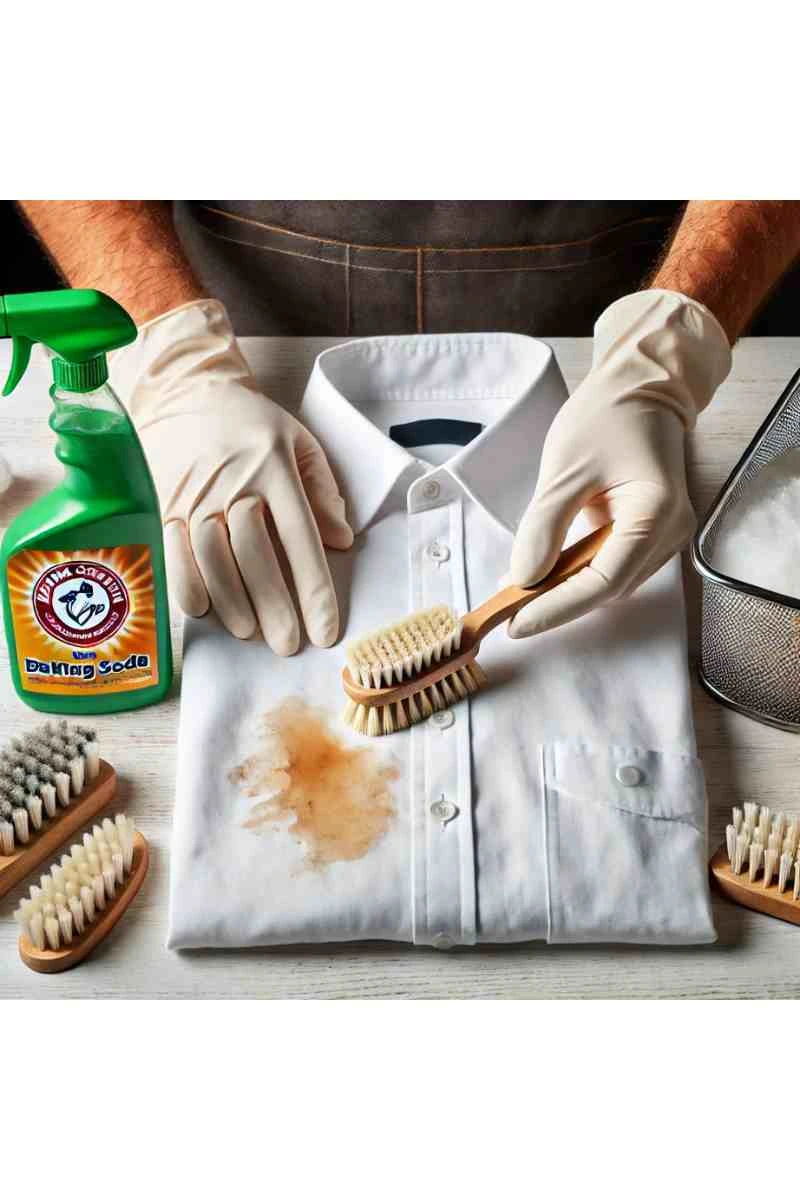
How to Remove Grease Stains From Clothes: Proven Methods That Actually Work
Grease stains can be difficult to remove from clothes because oil does not dissolve easily in water. The best approach is to treat the stain before washing by blotting away excess grease and applying a grease-cutting product such as liquid dish soap or laundry detergent.
For fresh grease stains, acting quickly can make removal easier. Dried or heat-set stains may require repeated treatment, while delicate fabrics such as silk and wool need extra care.
This guide explains how to remove grease stains from clothes, including fresh and dried stains, which methods work best for different fabrics, what mistakes to avoid, and when professional cleaning may be the safer option.
How to Remove Grease Stains From Clothes
Blot away excess grease with a clean paper towel, then apply a small amount of liquid dish soap or liquid laundry detergent to the stain. Let it sit for several minutes, rinse according to the garment's care label, and wash normally. Always check the stain before putting the clothing in the dryer, because heat can make remaining grease more difficult to remove.
Why Are Grease Stains So Difficult to Remove?
Grease is made primarily of oils and fats that do not dissolve easily in water.
Unlike many water-based stains, grease does not rinse away easily with water alone. Without pretreatment, washing may leave oily residue behind in the fabric.
Heat from a clothes dryer can make the stain even harder to remove by setting the remaining oil deeper into the fibers.
The sooner you begin treating a grease stain, the better your chances of removing it completely.
What You'll Need
Gather these supplies before treating the stain:
- Liquid dish soap
- Liquid laundry detergent
- Baking soda or cornstarch
- Clean white or microfiber cloth
- Soft toothbrush or soft-bristle brush
- Rubber gloves
Always read the garment care label before using any cleaning product.
How to Remove Fresh Grease Stains
Step 1: Blot the Excess Grease
Use a clean paper towel or microfiber cloth to blot away as much grease as possible.
Avoid rubbing.
Rubbing spreads the grease deeper into the fabric.
Step 2: Apply Dish Soap
Dish soap is specifically designed to break down grease.
Apply a small amount directly to the stain and gently work it into the fabric using your fingers or a soft-bristle brush. Let it sit for several minutes, following the product's directions when applicable.
Step 3: Rinse According to the Care Label
Rinse the treated area according to the garment's care instructions. Use the warmest water permitted by the label if appropriate for the fabric, but avoid temperatures that could damage or shrink the garment.
Step 4: Wash Normally
Wash the garment using your regular laundry detergent.
Do not place the garment in the dryer yet.
Step 5: Inspect Before Drying
After washing, inspect the stain carefully.
If any grease remains, repeat the cleaning process before drying.
Heat can permanently set grease stains.
How to Remove Old Grease Stains From Clothes
Older or dried grease stains can be more difficult to remove, especially if the garment has already been exposed to dryer heat. They may require repeated pretreatment and washing.
Apply baking soda
- Sprinkle baking soda generously over the stain.
- Allow it to absorb oil for at least 30 minutes.
- Brush it away.
Apply dish soap
Work dish soap into the remaining stain.
Wash
Launder normally.
Repeat if necessary.
Best Methods for Removing Grease Stains From Clothes
Dish Soap
Best for:
- Cooking oil
- Butter
- Salad dressing
- Pizza grease
Baking Soda
Excellent for absorbing fresh grease before washing.
Cornstarch
May help absorb excess oil from some fabrics before washing. For silk, wool, and other delicate garments, always follow the care label and consider professional cleaning rather than relying on DIY treatment.
Liquid Laundry Detergent
Excellent for pretreating everyday grease stains.
Commercial Grease Stain Removers
Useful for:
- Motor oil
- Heavy industrial grease
- Set-in stains
Always follow the manufacturer's directions.
Grease Stains on Different Fabrics
Cotton
Generally responds well to dish soap and detergent.
Denim
May require repeated treatment because of its thick fibers.
Polyester
Often releases grease more easily than natural fibers.
Silk
Use only products specifically approved for delicate fabrics.
When in doubt, seek professional cleaning.
Wool
Avoid aggressive scrubbing.
Blot gently and follow care instructions.
Common Types of Grease Stains
Different grease stains may require slightly different treatment. Identifying the source of the stain can help you choose the most effective first step.
Cooking Oil Stains
Cooking oils such as vegetable oil, olive oil, and canola oil can quickly soak into fabric fibers. Apply a small amount of liquid dish soap directly to the stain, gently work it into the fabric, and let it sit for about 10 minutes before washing.
Butter and Margarine Stains
Butter and margarine contain both oil and milk solids, which can leave a noticeable dark mark on clothing. Blot away any excess, apply dish soap, and gently rub the product into the stain before laundering.
Pizza Grease Stains
Pizza grease often combines oil, cheese, and sauce, making the stain more difficult to treat. Begin by sprinkling baking soda or cornstarch over the area to absorb excess oil. After 15 to 30 minutes, brush away the powder, apply dish soap, and wash according to the garment’s care label.
Salad Dressing Stains
Oil-based salad dressings may also contain herbs, vinegar, mustard, or food coloring. Blot the stain, apply liquid laundry detergent or dish soap, and let it sit for several minutes before rinsing and washing.
Motor Oil Stains
Motor oil is heavier than most cooking grease and may require a stronger treatment. Blot away excess oil, apply a heavy-duty liquid laundry detergent or a fabric-safe commercial grease remover, and allow it to work before washing. Repeat the treatment if necessary, and do not place the garment in the dryer until the stain is gone.
Machine Grease Stains
Industrial or machine grease can contain thick oils, dirt, and other residues that become deeply embedded in fabric. Use a commercial stain remover specifically labeled for clothing and suitable for the affected fabric. Follow the garment's care instructions carefully.
For valuable, delicate, or heavily stained clothing, professional cleaning may be the safest option.
What Not to Do
Avoid these common mistakes.
❌ Put stained clothing directly into the dryer.
❌ Rub aggressively.
❌ Use bleach on colored clothing.
❌ Ignore the garment care label.
❌ Assume one treatment will remove every stain.
Natural Grease Stain Removal Methods
Many homeowners prefer environmentally friendly solutions.
Common household options include:
- Baking soda
- Cornstarch
- Mild liquid dish soap
- These methods may help with some fresh household grease stains, but results vary by fabric and stain. Always check the garment care label before using a DIY treatment.
Natural products work well for many household grease stains but may not remove heavy automotive grease.
Can Dried Grease Stains Be Removed From Clothes?
Yes, dried grease stains can sometimes be removed, but they may require more than one treatment. Pretreat the stain with a suitable grease-cutting product, wash according to the garment's care label, and inspect the clothing before drying. If the stain has been heat-set or the garment is delicate, professional cleaning may be a better option.
When Should You Use a Professional Cleaner?
Professional cleaning is worth considering when:
- The garment is expensive
- The fabric is silk or wool
- The stain has already gone through the dryer
- Motor oil has deeply penetrated the fabric
- Multiple cleaning attempts have failed
Professional cleaners use specialized products designed for difficult stains while protecting delicate fabrics.
How to Prevent Grease Stains
Simple habits help reduce future stains.
- Wear an apron while cooking.
- Treat stains immediately.
- Carry a travel stain remover.
- Avoid placing stained clothing into the laundry basket for several days.
- Inspect garments before drying.
Final Thoughts
Grease stains may seem impossible to remove, but with prompt treatment and the right products, most fresh stains can be successfully eliminated.
Whether you're dealing with cooking oil, butter, pizza grease, or heavier industrial grease, identifying the stain early and choosing the appropriate cleaning method gives you the best chance of restoring your clothing.
If a stubborn grease stain refuses to come out—or you're dealing with delicate garments that require special care—professional cleaning may be the safest solution.
The CoBuilders connects homeowners with trusted cleaning professionals nationwide who can help with deep cleaning and laundry-related cleaning needs as part of a comprehensive home care solution.
Frequently Asked Questions
How do you remove grease stains from clothes quickly?
Blot away excess grease, apply a small amount of liquid dish soap or laundry detergent, gently work it into the stain, and wash according to the garment's care label. Check the stain before drying.
Can dried grease stains be removed from clothes?
Yes, dried grease stains can sometimes be removed with repeated pretreatment and washing. Stains that have been exposed to dryer heat may be more difficult to remove.
Does baking soda remove grease stains from clothes?
Baking soda can help absorb excess oil, particularly from fresh stains, but it may not remove all grease by itself. A grease-cutting product such as dish soap or laundry detergent may be needed afterward.
Can I remove grease stains from clothes without washing them?
You can pretreat a grease stain without immediately washing the garment, but washing is usually needed to remove loosened oil and cleaning-product residue. Always follow the garment's care instructions.
Does hot water remove grease stains from clothes?
Use the water temperature recommended on the garment's care label. Avoid using temperatures that could damage the fabric, and always pretreat the grease before washing.
Can grease stains be removed after drying?
They can sometimes be removed after drying, but dryer heat can make remaining grease more difficult to treat. Apply an appropriate stain treatment and repeat the process if necessary before using the dryer again.
What is the best way to remove grease from delicate clothes?
Check the care label first and avoid aggressive scrubbing or unapproved stain removers. For silk, wool, expensive, or otherwise delicate garments, professional cleaning may be the safest option.
Featured Posts

3.17 min read
How Do I Keep My House Clean with a Busy Schedule?

5.87 min read
What is the Difference Between Standard Cleaning and Deep Cleaning?
9.07 min read
A Complete Guide to Cleaning Mold with Vinegar in California Homes

6.41 min read
Top House Cleaning Companies Near Me: Finding the Best Cleaning Service in the U.S.

2.85 min read
Duct Cleaning Companies Near Me in Des Moines: Why The CoBuilders Stand Out

5.84 min read
Robot Vacuum vs. Professional House Cleaning: What Can a Robot Actually Replace?

6.89 min read
Deep Cleaning Services: What’s Included and When Your Home Needs a Deeper Clean

6.43 min read
House Cleaners Services: What to Expect From Professional Home Cleaning
3.74 min read
House Cleaning Service Chicago: Your Guide to Finding the Best Fit for Your Home
5.79 min read
Cleaning Maid Services Near Me in Phoenix: Why The CoBuilders Are the Trusted Choice